Personalized Plastic Surgery & Aesthetic Care in Seocho-gu, Seoul


Male Breast Reduction Surgery (Gynecomastia)
Gynecomastia Post-Surgery Care
A dedicated aftercare program is appropriate for any patient who has undergone gynecomastia surgery
Schedule a Consultation
What Is Gynecomastia?
Gynecomastia is a condition commonly referred to as enlarged male breasts, where a man's chest appears similar to a female breast shape. It is one of the most common aesthetic concerns among male patients and can affect men of varying ages and body types.
This condition often becomes a significant source of stress and self-consciousness, causing many patients to avoid places such as public baths, swimming pools, or situations where the chest is visible. The psychological impact is real — and for many patients, surgical correction is not simply a cosmetic choice, but a step toward regaining everyday confidence.
At Yonsei Leeds Clinic, precise analysis is performed to identify the exact cause and type of gynecomastia before any treatment is recommended. Understanding the underlying tissue composition is essential to both selecting the right surgical approach and designing an appropriate post-operative recovery program.
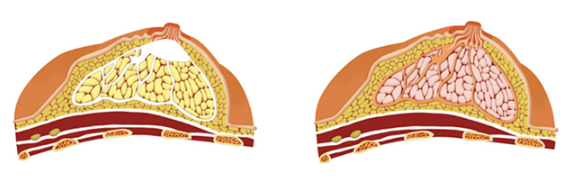
Fat-Dominant Gynecomastia A type in which most of the breast area is composed of fat tissue — approximately 90% fat with minimal glandular involvement. This form responds well to fat removal techniques, and post-surgical recovery typically focuses on skin retraction, compression support, and surface contouring.
Glandular Gynecomastia A type in which glandular tissue is present beneath the areola, causing enlargement of the breast area. Because glandular removal requires incision around the areola, post-surgical scar management at that site is a particularly important component of recovery care for this type.
Knowing which type of gynecomastia has been treated directly shapes the aftercare protocol each patient receives at Yonsei Leeds Clinic.
What Is Gynecomastia Post-Surgery Care?
Gynecomastia surgery — whether addressing fat-dominant or glandular breast tissue — produces physical change the moment the procedure ends. But the final result is not determined in the operating room alone. It is shaped, refined, and protected throughout the weeks and months that follow.
Post-surgery care for gynecomastia is a structured clinical program designed to support the body's healing process, minimize complications, and ensure the chest achieves its intended contour. Without proper aftercare, swelling can persist longer than necessary, scar tissue can form irregularly, and skin that has lost underlying volume may fail to retract smoothly.
At Yonsei Leeds Clinic, post-operative care is not a checklist handed to the patient at discharge. It is an active, physician-monitored program using targeted clinical modalities — tailored to where each patient is in their individual healing timeline.
Who Needs a Structured Gynecomastia Recovery Program?
A dedicated aftercare program is appropriate for any patient who has undergone gynecomastia surgery — regardless of the technique used or the volume of tissue removed. Structured recovery support is especially important for:
- Patients in the early post-operative phase (0–2 weeks) experiencing visible swelling, tightness, or discomfort in the chest area
- Patients with significant glandular tissue removal where scar formation beneath the areola requires close monitoring and early intervention
- Patients who underwent fat-dominant gynecomastia correction and require guidance on compression garment use to support skin retraction
- Patients with a history of slow healing, keloid tendency, or sensitive skin who require proactive scar management from the outset
- International patients returning home shortly after surgery who need continuity of care through structured remote follow-up
- Patients seeking maximum aesthetic refinement — those who want not just surgical correction, but a smooth, natural-looking chest contour with minimal visible scarring
- Patients who have previously experienced incomplete recovery at other clinics and are seeking professional aftercare guidance
If you have had gynecomastia surgery — or are planning it — understanding the recovery process is as important as understanding the procedure itself.
Meet Dr. In-Ho Khang — Plastic Surgeon, Yonsei Leeds Clinic
Dr. In-Ho Khang
Plastic Surgeon
Dr. In-Ho Khang Plastic Surgeon | Yonsei Leeds Clinic
Dr. In-Ho Khang leads all gynecomastia surgical and post-operative programs at Yonsei Leeds Clinic. His approach to male chest surgery extends beyond the operating room — recognizing that recovery management is a clinical discipline that directly determines the quality and longevity of the final result.
Under Dr. Khang's direct oversight, each patient's post-surgery recovery is individually monitored, with protocol adjustments made at every follow-up stage based on observed healing progress. His care philosophy is grounded in a simple principle: a successful surgery and a successful result are not always the same thing. Bridging that gap requires structured, ongoing clinical engagement — not assumption.
"Everyone has a beautiful moment. Our role is to help each patient reach theirs — not just in the procedure room, but through every stage of recovery." — Yonsei Leeds Clinic Philosophy
Treatment Areas & Expected Improvements
Gynecomastia post-surgery care addresses several distinct healing priorities simultaneously. Each area requires a specific clinical approach and realistic expectations about the timeline for visible improvement.
Swelling Reduction: Post-surgical swelling is a natural inflammatory response and one of the most common concerns in the weeks following gynecomastia surgery. Without active management, swelling can obscure the surgical result for months and cause unnecessary discomfort. At Yonsei Leeds, targeted swelling reduction therapy is initiated early to support the body's lymphatic clearance and accelerate resolution. Most patients see meaningful reduction in visible swelling within the first four to six weeks, though individual timelines vary based on tissue response, procedure scope, and post-operative adherence.
Scar Minimization: Incision sites — particularly those around the areola used in glandular gynecomastia correction — require early and consistent attention to minimize scar visibility. Scar tissue that forms without intervention can become raised, pigmented, or texturally irregular. Yonsei Leeds incorporates laser treatment protocols designed to promote skin regeneration at the incision site, encouraging flatter, softer, and less visible scar formation over time. Results vary by patient skin type and healing biology; however, early intervention consistently produces better outcomes than delayed treatment.
Skin Retraction & Firmness: Following fat removal, the overlying skin must adapt to reduced underlying volume. In cases where skin elasticity is lower — particularly in older patients or those with larger-volume corrections — the chest surface may initially appear loose or uneven. Radiofrequency therapy is used to stimulate collagen remodeling and improve surface firmness, supporting the skin's natural retraction process. Improvements typically become more apparent between weeks six and twelve post-surgery.
Lymphatic Support: The lymphatic system plays a critical role in clearing post-surgical fluid accumulation and reducing the risk of prolonged swelling or seroma formation. Lymphatic support modalities are incorporated into the early recovery protocol to promote efficient fluid drainage and reduce the physiological burden on surrounding tissue. This also contributes to improved comfort and faster return to normal activity.
Compression Garment Guidance: Compression garment use is a foundational element of gynecomastia recovery — but only when applied correctly. Improper garment sizing, fit, or duration of wear can impede healing or reduce its benefit. Dr. Khang's team provides individualized guidance on garment selection, daily wear schedule, and the appropriate weaning timeline based on each patient's specific procedure and healing stage.
Treatment Process & Recovery Timeline
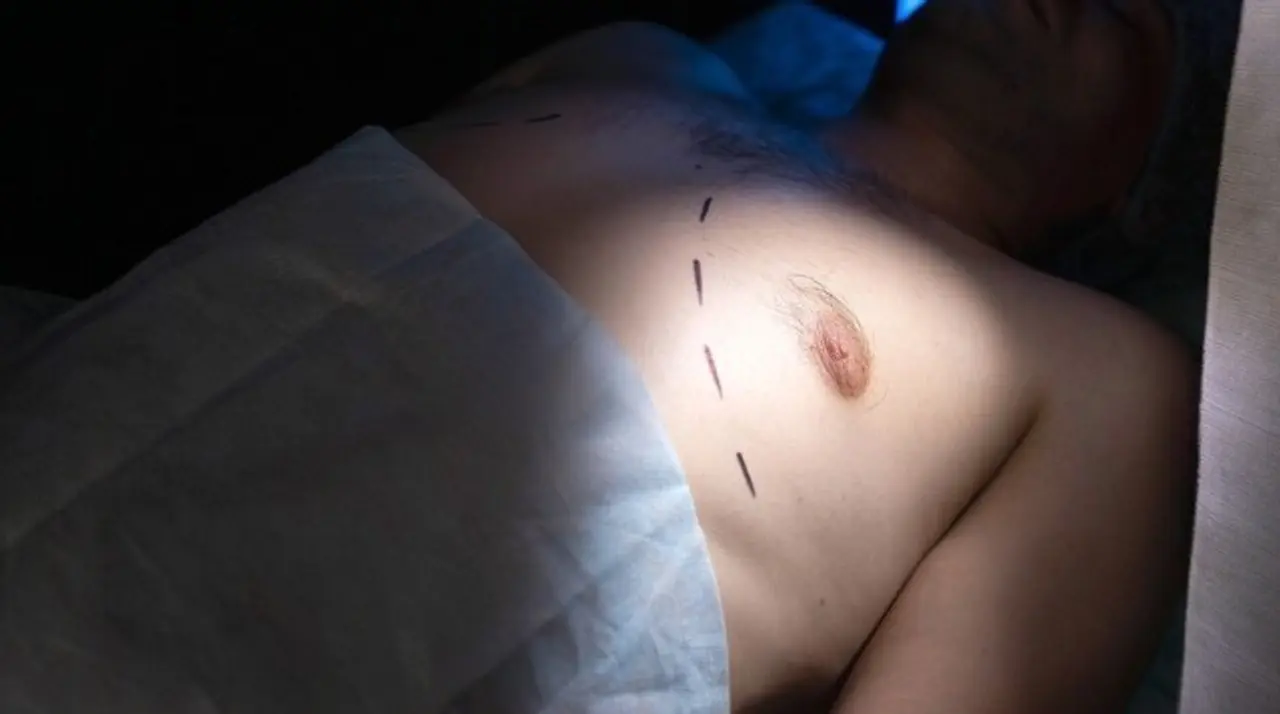
Step 1 — Post-Operative Assessment (Day 1–3)
Immediately following surgery, the clinical team conducts an initial assessment of the wound site, garment fit, and early swelling patterns. Any immediate concerns are addressed before the patient leaves the facility. Baseline documentation is established for comparison at all future follow-up stages.
Step 2 — Early Swelling & Lymphatic Protocol (Week 1–2)
The active recovery program begins. Lymphatic support therapy is initiated to accelerate fluid clearance. Compression garment usage is confirmed and adjusted as needed. Patients receive detailed guidance on activity restrictions, sleep positioning, and hygiene around the incision site.
Step 3 — Scar Management Initiation (Week 2–4)
Once incision sites have closed sufficiently, scar treatment begins. Laser therapy protocols are introduced to support early-stage tissue remodeling. The scar site is evaluated at each visit, and treatment intensity is adjusted based on visible response.
Step 4 — Radiofrequency & Skin Firmness Therapy (Week 4–8)
As swelling subsides, attention shifts to surface texture and skin retraction. Radiofrequency therapy sessions are incorporated to stimulate collagen activity and improve overall chest firmness. Patients typically begin to see contouring improvements become more defined during this phase.
Step 5 — Mid-Recovery Evaluation (Week 6–8)
A structured mid-point consultation is conducted to assess overall healing progress, compare against baseline documentation, and confirm the recovery trajectory. Protocol adjustments are made where clinically indicated.
Step 6 — Final Follow-Up & Long-Term Guidance (Month 3–6)
A comprehensive final evaluation assesses scar maturation, skin firmness, contour symmetry, and overall aesthetic outcome. Long-term maintenance recommendations are provided. For international patients, this stage is supported through structured remote consultation to ensure continuity regardless of location.
Results, Safety & Recovery Expectations
The goal of a structured aftercare program is to ensure that what was achieved in surgery is fully realized in the final result — with as little scarring, swelling, and surface irregularity as possible.
Most patients who complete the full Yonsei Leeds post-surgery protocol report a significantly smoother recovery experience, reduced visible scarring, and a more defined chest contour compared to unmanaged recovery. Results depend on multiple individual factors including skin type, procedure scope, biological healing rate, and adherence to clinical guidance.
Realistic expectations include:
- Visible swelling resolution within 4–8 weeks for most patients
- Scar visibility reduction over a 3–6 month period with active treatment
- Surface firmness improvements becoming apparent from week 6 onward
- Full result assessment at the 3–6 month mark
No recovery program eliminates all variability in healing. Individual biology, lifestyle factors, and pre-existing skin condition all influence outcomes. What a structured program does is minimize avoidable complications, accelerate natural healing, and provide clinical oversight when issues arise — so they are addressed early, not after they have become established problems.
All modalities used in the Yonsei Leeds post-surgery program are selected for their established safety profile in post-operative contexts. Side effects such as temporary redness, mild sensitivity at treatment sites, or transient firmness changes may occur and are discussed with each patient prior to treatment initiation.
Why Choose Yonsei Leeds Clinic for Gynecomastia Aftercare?
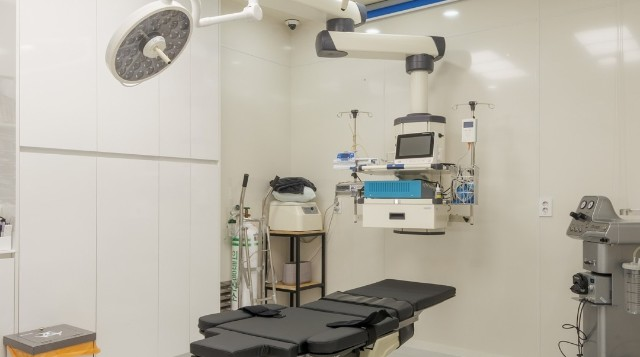
Recovery is where many clinics fall short — and where Yonsei Leeds Clinic sets itself apart. The standard at most facilities is a post-surgery information sheet and a single follow-up appointment. At Yonsei Leeds, recovery is treated as a clinical program with the same rigor and intentionality as the surgery itself.
Under the direct oversight of Dr. In-Ho Khang, every patient's healing is actively monitored across multiple scheduled touchpoints. Clinical modalities are introduced at the right moment in the healing timeline — not applied uniformly regardless of individual progress. When adjustments are needed, they are made promptly, based on what is actually observed rather than assumed.
For international patients, Yonsei Leeds provides structured remote follow-up support, ensuring that returning home does not mean losing access to clinical guidance. Healing does not stop at the airport, and neither does the clinic's commitment to each patient's outcome.
Key differentiators:
- Surgeon-supervised recovery — Dr. In-Ho Khang maintains direct oversight of each patient's post-operative program
- Multi-modality approach — radiofrequency therapy, laser treatment, and lymphatic support combined into a single cohesive protocol
- Individualized timelines — recovery management adapts to each patient's healing response, not a one-size schedule
- International patient continuity — structured remote follow-up for patients who cannot attend in-person at later stages
- EVA surgical foundation — patients who underwent gynecomastia surgery using the FDA and KFDA-approved EVA device benefit from reduced tissue trauma at baseline, supporting a smoother recovery trajectory from the outset
What to Expect: Typical Treatment Journey
Patient A — Glandular Gynecomastia, Mid-Recovery Scar Concern
A patient in his early thirties completed glandular gynecomastia correction and entered the Yonsei Leeds aftercare program. By week three, minor scar thickening was identified at the areolar incision site during a scheduled follow-up. Laser scar treatment was introduced immediately. By month three, the scar had softened significantly and was minimally visible without direct inspection.
Patient B — Fat-Dominant Gynecomastia, International Patient
A patient who traveled internationally for fat-dominant gynecomastia correction returned home ten days after surgery. Remote follow-up consultations were scheduled at two weeks, four weeks, and three months. Compression garment adjustments were guided remotely, and a scar management protocol was coordinated with the patient's local pharmacist. At the three-month mark, chest contour was well-defined with minimal residual swelling. Suggested image: Patient chest at 3-month post-op — natural lighting, standing position
Illustrative examples. Individual results vary.
Final Call to Action
Your Surgery Deserves a Recovery That Matches It.
Gynecomastia surgery is a significant decision — and the result you came for depends as much on what happens after the procedure as what happens during it. At Yonsei Leeds Clinic, post-surgery care is a structured, surgeon-supervised program designed to protect your investment, minimize scarring, reduce recovery time, and ensure the chest contour you sought is the one you see in the mirror.
Under the direct oversight of Dr. In-Ho Khang, you will be guided through every stage of healing — with clinical support, active monitoring, and treatment protocols that respond to your individual progress. Whether you are preparing for surgery or have already completed your procedure, our team is ready to build a recovery plan around your specific needs, timeline, and aesthetic goals.
Book Your Gynecomastia Recovery Consultation at Yonsei Leeds Clinic
For international patients and inquiries, remote consultation is available. Contact the clinic directly to discuss your recovery needs and schedule your first appointment.
Yonsei Leeds Clinic — Everyone Has a Beautiful Moment.
Other Services
Explore additional treatments offered by our specialists.
Fat Grafting
Autologous fat grafting — also known as fat transfer — is a procedure that uses your own body fat to restore volume, contour, and proportion to areas that have become hollow, flat, or asymmetrical over time.
Learn More
Medical Skin Care
Medical skin care outcomes at Yonsei Leeds are designed to be progressive, biological, and sustainable.
Learn More
Acne Treatment
Acne treatment outcomes depend on the underlying cause, severity, and consistency of the patient's adherence to the program — both in-clinic and with any prescribed home care.
Learn More