Personalized Plastic Surgery & Aesthetic Care in Seocho-gu, Seoul

Skin Booster Injections
Medical Skin Care
Medical skin care outcomes at Yonsei Leeds are designed to be progressive, biological, and sustainable.
Schedule a Consultation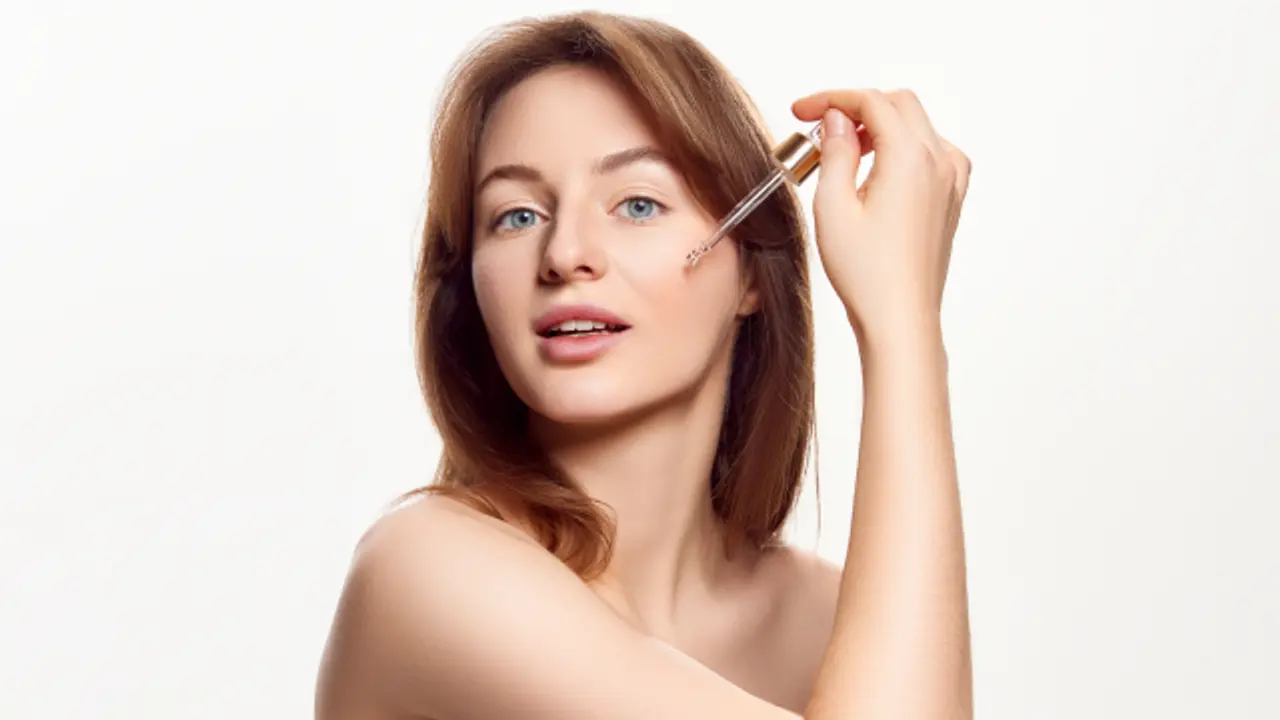
What is medical skin care?
Medical skin care is not a facial. It is a clinically structured program in which a qualified physician assesses your skin's biology, identifies underlying causes of concern, and designs a treatment protocol that addresses those causes systematically — not just their surface appearance.
At Yonsei Leeds Clinic, medical skin care sits within the Plastic Surgery and Skin Care & Rejuvenation department, which means every skin program is built on an understanding of facial anatomy, tissue aging, and the relationship between structural health and skin condition. Treatments are evidence-based, device-supported, and personalized to each patient's skin type, age, lifestyle, and aesthetic goals.
Korean medical skin care differs from standard spa or cosmetic facials in one fundamental way: it is diagnostic first. Before any treatment is selected, the skin is examined for barrier integrity, hydration levels, pigmentation patterns, pore behavior, elasticity, and signs of photodamage or inflammation. The treatment plan that follows is built on clinical findings — not a predetermined menu.
In 2025, the goal of leading Korean skin clinics is no longer dramatic transformation. It is biological improvement: building collagen progressively, refining texture gradually, restoring hydration at the dermal level, and strengthening the skin's own regenerative capacity over time. Prevention, longevity, and natural-looking results define the standard of care.
Who needs medical skin care treatment?
Medical skin care at Yonsei Leeds is appropriate for a wide range of patients, from those managing specific dermatological concerns to those seeking to maintain and enhance overall skin health. You may benefit from a physician-led skin program if you are experiencing any of the following:
- Persistent dullness, uneven tone, or a loss of the natural radiance your skin once had
- Chronic dehydration, tightness, or a compromised skin barrier that no longer responds to topical products alone
- Enlarged pores, rough texture, or irregular surface that affects skin smoothness and reflectivity
- Post-acne marks, post-inflammatory pigmentation, or active acne concerns requiring clinical-grade management
- Fine lines, early laxity, or a reduction in skin firmness and elasticity associated with aging
- Sensitivity or reactive skin that needs a carefully managed, medically supervised treatment approach
- A desire to maintain or extend the results of previous aesthetic procedures with targeted skin conditioning
- General interest in a personalized, long-term approach to skin health rather than one-off treatments
Patients in their 20s managing acne and pigmentation, patients in their 30s seeking preventative collagen support, and patients in their 40s and beyond addressing laxity, fine lines, and loss of radiance are all candidates — each receiving entirely different protocols tailored to their biology.
Meet Dr. In-Ho Khang — Plastic Surgeon, Yonsei Leeds Clinic
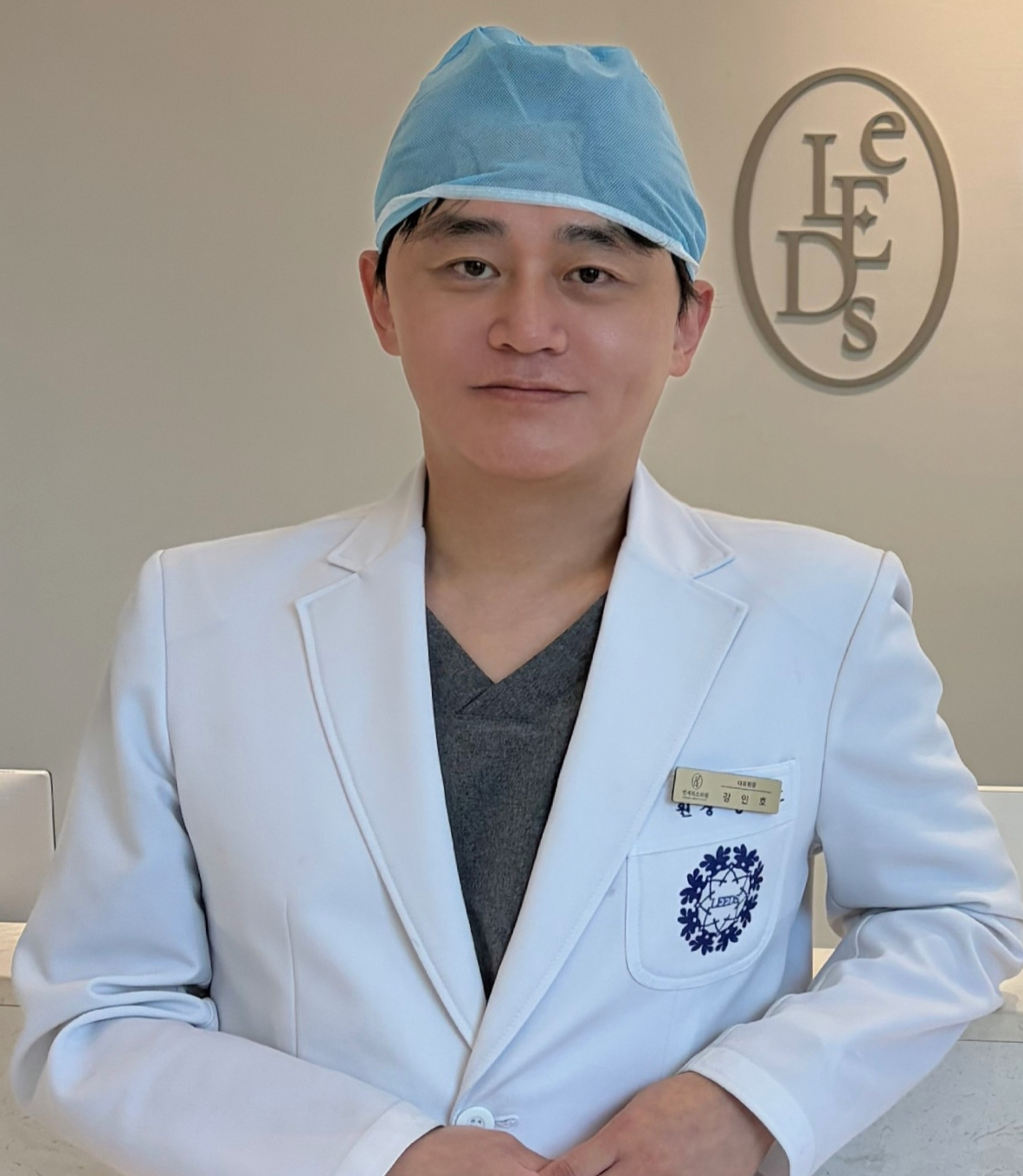
Dr. In-Ho Khang
Plastic Surgeon
Medical skin care at Yonsei Leeds Clinic is led by Dr. In-Ho Khang, a plastic surgeon whose clinical expertise extends across facial anatomy, skin aging, tissue behavior, and aesthetic medicine.
What distinguishes Dr. Khang's approach to skin care from that of a standalone dermatology or aesthetics clinic is the depth of anatomical knowledge he brings to every consultation. His training and practice in plastic surgery informs how he reads the skin — not as a surface to be treated in isolation, but as a dynamic, layered structure influenced by fat volume, bone structure, muscle movement, and tissue hydration at every level. This understanding shapes how treatment protocols are designed, sequenced, and monitored over time.
At Yonsei Leeds, patients are not passed between departments or handed to technicians for protocol execution. Dr. Khang's team manages each patient's skin health within a single, integrated clinical environment where their full aesthetic history — including any prior procedures — is known and factored into every decision. This continuity of care is one of the most significant advantages that a full plastic surgery and aesthetic medicine clinic offers over standalone skin treatment providers.
The clinic's philosophy is rooted in the Yonsei Leeds brand ethos: everyone has a beautiful moment, and the role of medical skin care is to help each individual find and sustain theirs.
Treatment areas and expected improvements
Medical skin care at Yonsei Leeds addresses a comprehensive range of anatomical targets and functional skin concerns. Treatments are selected and combined based on the individual patient assessment. The following areas and concerns are addressed within the clinic's medical skin care programs:
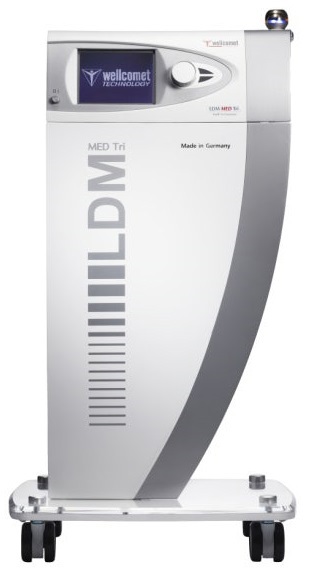
Skin barrier integrity and hydration: The skin barrier is the foundation of all other skin health. When compromised, it leads to sensitivity, dehydration, reactive conditions, and accelerated aging. Treatments such as LDM ultrasound therapy, skin booster injections, and vitamin infusion protocols work at the dermal and epidermal level to reinforce barrier function, restore moisture retention, and reduce reactivity. Patients typically notice improved comfort, reduced sensitivity, and a more supple, hydrated appearance. Results vary based on baseline barrier health and lifestyle factors.
Skin tone, radiance, and pigmentation: Uneven skin tone, dullness, and post-inflammatory pigmentation are among the most common concerns treated. Whitening care protocols and chemical peel treatments are calibrated to the patient's skin type and pigmentation pattern, working to reduce melanin irregularities, promote cellular turnover, and restore natural luminosity. Results are progressive and depend on the consistency of treatment and post-care compliance.
Texture, pore appearance, and surface refinement: Enlarged pores and rough skin texture are structural concerns that require clinical-grade intervention. RF microneedling and Aqua Peel treatments address these at the dermal level by stimulating collagen remodeling, improving skin density, and refining surface irregularities. Improvement in pore appearance and skin smoothness typically develops over multiple sessions and continues as collagen remodeling progresses.
Elasticity, collagen support, and anti-aging: Progressive loss of collagen and elastin is the primary driver of skin aging. Rejuran Healer (PDRN therapy) and RF microneedling address this directly — stimulating the skin's own regenerative pathways to rebuild structural support from within. Cryocell regeneration therapy further supports elasticity restoration using cooling and regenerative technology. These treatments do not produce immediate dramatic change; rather, they build biological improvement over weeks and months, resulting in firmer, more resilient skin with sustained natural results.
Acne management and post-acne recovery: Active acne and its aftermath — including scarring, texture irregularities, and pigmentation — require a structured, medically supervised approach. Protocols at Yonsei Leeds are designed to address both active inflammation and the residual damage it leaves behind, combining appropriate skin care treatments with dermatological management where indicated. Outcomes depend on acne type, severity, and individual response.
Treatment process and timeline
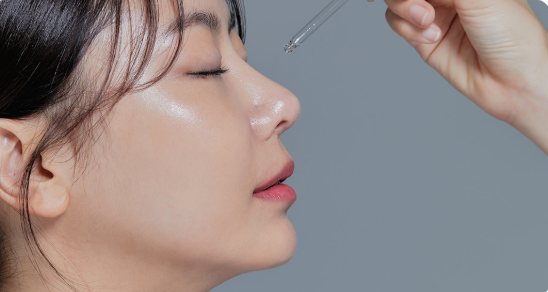
All medical skin care programs at Yonsei Leeds follow a structured clinical pathway designed to ensure safety, precision, and optimal results.
Step 1 — 1:1 skin consultation
A personalized consultation with the clinical team to discuss your skin concerns, treatment goals, medical history, and any previous procedures or products used. This is not a sales conversation — it is a diagnostic one.
Step 2 — Physician skin examination
Dr. Khang's team conducts a detailed skin analysis covering barrier integrity, hydration levels, tone, texture, pore behavior, elasticity, and signs of photodamage or inflammation. Treatment planning is completed at this stage.
Step 3 — Skin preparation and cleansing
Before any treatment, the skin is properly prepared and cleansed to ensure the treatment environment is optimal and to minimize any risk of irritation or contamination.
Step 4 — Customized skin care treatment
The prescribed treatment — or combination of treatments — is performed by trained clinical staff under physician supervision. The specific modalities used depend entirely on the individualized plan developed during examination.
Step 5 — Recovery guidance and post-care instructions
Following treatment, patients receive detailed aftercare instructions tailored to the procedure performed. General post-treatment precautions include avoiding alcohol, smoking, saunas, and intense exercise for approximately 3 to 7 days depending on the procedure, and applying sunscreen consistently. Temporary redness or sensitivity may occur and typically resolves within a short period depending on individual skin condition.
Step 6 —Ongoing program management
Most patients benefit from a course of treatments rather than a single session. The treatment timeline — including session frequency and total program length — is determined at consultation based on the patient's skin condition and goals.
Results, safety, and longevity
Medical skin care outcomes at Yonsei Leeds are designed to be progressive, biological, and sustainable. Rather than producing short-lived surface improvements, the treatments used — particularly regenerative therapies such as Rejuran Healer and PDRN, and collagen-stimulating modalities such as RF microneedling — work by activating the skin's own repair and renewal mechanisms. This means results continue to develop after treatment and are supported by genuine dermal improvement rather than temporary topical effects.
Realistic expectations are central to the clinic's approach. Skin improvement is a gradual process, and visible changes in texture, tone, elasticity, and radiance develop over weeks to months depending on the treatment type and the patient's baseline condition. Individual results will vary based on age, skin type, lifestyle, and adherence to post-care guidance.
From a safety perspective, all treatments are physician-prescribed and performed within a clinical environment. Post-treatment precautions are clearly communicated and individualized. Temporary side effects — including mild redness, sensitivity, or swelling — may occur depending on the procedure and individual skin response. Patients with specific medical conditions, active skin infections, or other contraindications will be assessed prior to treatment, and any unsuitable candidates will be advised accordingly.
There are no guaranteed outcomes. The goal of every program is meaningful, clinically grounded improvement — not transformation, not perfection, and not results that require continual escalation to maintain.
Why choose Yonsei Leeds Clinic for medical skin care?
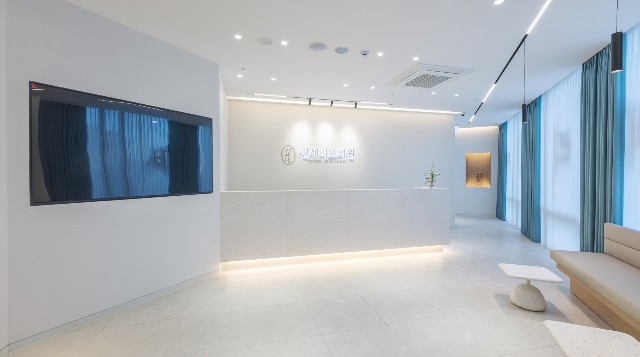
Medical skin care at Yonsei Leeds Clinic is not a facial menu. It is a clinically structured skin health program built around each patient's unique biology, led by a plastic surgeon who understands how skin ages, how tissue behaves, and how treatment outcomes can be designed to last.
What distinguishes Korean dermatology from generalist skincare is the combination of precision diagnosis, multi-step treatment design, and holistic recovery management — all oriented around natural, long-lasting results. At Yonsei Leeds, this philosophy is elevated by Dr. In-Ho Khang's plastic surgery expertise, which informs every skin care plan with a depth of anatomical and clinical knowledge that standalone aesthetics clinics cannot replicate.
The clinic's approach ensures that no two patients receive the same protocol. Treatment selection accounts for individual factors including age, skin type, degree of laxity, fat volume, underlying medical conditions, and prior procedures — resulting in programs that are genuinely personalized rather than menu-driven.
Key differentiators include:
- Physician-led diagnosis and treatment planning by Dr. In-Ho Khang, with plastic surgery expertise informing every skin assessment
- Integrated care within a full plastic surgery and aesthetic medicine clinic, ensuring continuity across a patient's complete aesthetic journey
- Evidence-based treatment protocols spanning regenerative therapy, energy-based devices, injectables, and medical facials — selected and combined based on clinical findings
- Internationally accessible clinical environment with multilingual support for patients traveling from outside Korea
- A philosophy rooted in long-term skin health — not temporary surface improvements — aligned with the clinic's guiding belief that everyone has a beautiful moment worth sustaining
What to Expect: Typical Treatment Journey
Patient A — Late 20s, acne and post-inflammatory pigmentation
After years of managing recurring acne with over-the-counter products and limited success, this patient sought a medically supervised approach. Following skin analysis and consultation, a structured program addressing both active acne and existing pigmentation was developed. Over the course of treatment, skin clarity improved progressively, and post-acne marks became significantly less visible. The patient noted that for the first time, her skin felt consistently manageable rather than reactive.
Patient B — Early 40s, skin laxity and loss of radiance
This patient presented with concerns about dullness, mild laxity, and a general sense that her skin no longer looked as vital as it once had. A program combining PDRN regenerative therapy with RF microneedling and targeted hydration treatment was designed. Results developed gradually over several months, with the patient reporting firmer, more luminous skin and improved overall confidence in her appearance.
Patient C — International patient, comprehensive skin rejuvenation
A patient traveling from abroad for a combination aesthetic and skin care program. A bespoke protocol was developed that complemented their wider treatment goals and could be safely completed within their available timeframe. Clear aftercare instructions and remote follow-up guidance were provided prior to departure.
Illustrative examples. Individual results vary.
Final call to action
Your skin deserves a program as individual as you are.
At Yonsei Leeds Clinic, medical skin care begins with understanding — your biology, your concerns, your goals, and your history. Dr. In-Ho Khang and the clinical team will assess your skin with precision, design a treatment protocol that addresses your specific needs, and support your skin health at every stage of the journey. Whether you are managing a persistent concern, seeking preventative care, or looking to restore what time has gradually changed, you will receive the medical depth and personal attention that genuine skin health requires. Book your consultation today and take the first step toward skin that is not just temporarily brighter — but genuinely, measurably healthier.
Contact Yonsei Leeds Clinic to schedule your personalized skin consultation or to speak with the team about your concerns before booking.
Other Services
Explore additional treatments offered by our specialists.
Fat Grafting
Autologous fat grafting — also known as fat transfer — is a procedure that uses your own body fat to restore volume, contour, and proportion to areas that have become hollow, flat, or asymmetrical over time.
Learn More
Medical Skin Care
Medical skin care outcomes at Yonsei Leeds are designed to be progressive, biological, and sustainable.
Learn More
Acne Treatment
Acne treatment outcomes depend on the underlying cause, severity, and consistency of the patient's adherence to the program — both in-clinic and with any prescribed home care.
Learn More