Personalized Plastic Surgery & Aesthetic Care in Seocho-gu, Seoul

Fat Grafting (Lipofilling)
Fat Grafting
Autologous fat grafting — also known as fat transfer — is a procedure that uses your own body fat to restore volume, contour, and proportion to areas that have become hollow, flat, or asymmetrical over time.
Schedule a Consultation
What is Autologous Fat Grafting?
Autologous fat grafting — also known as fat transfer — is a procedure that uses your own body fat to restore volume, contour, and proportion to areas that have become hollow, flat, or asymmetrical over time.
The concept is straightforward: fat is harvested from a donor area where it is in excess — commonly the abdomen, thighs, or hips — carefully processed to isolate the most viable fat cells, and then precisely re-injected into the target area, whether that is the face or the body. Because the material is entirely biological and entirely your own, there is no risk of allergic reaction and no foreign substance introduced into the body at any stage.
At Yonsei Leeds Clinic, fat grafting serves a dual purpose. When fat is harvested from the abdomen or thighs, those areas are simultaneously slimmed and contoured. That same fat is then used to restore youthful fullness to the face or enhance the curves of the hip line — delivering two meaningful improvements in a single procedure. Dr. In-Ho Khang designs every treatment plan around the patient's individual anatomy, proportions, and goals, ensuring that outcomes feel genuinely like a better, more balanced version of the patient rather than an obvious aesthetic intervention.
Meet Dr. In-Ho Khang — Plastic Surgeon, Yonsei Leeds Clinic
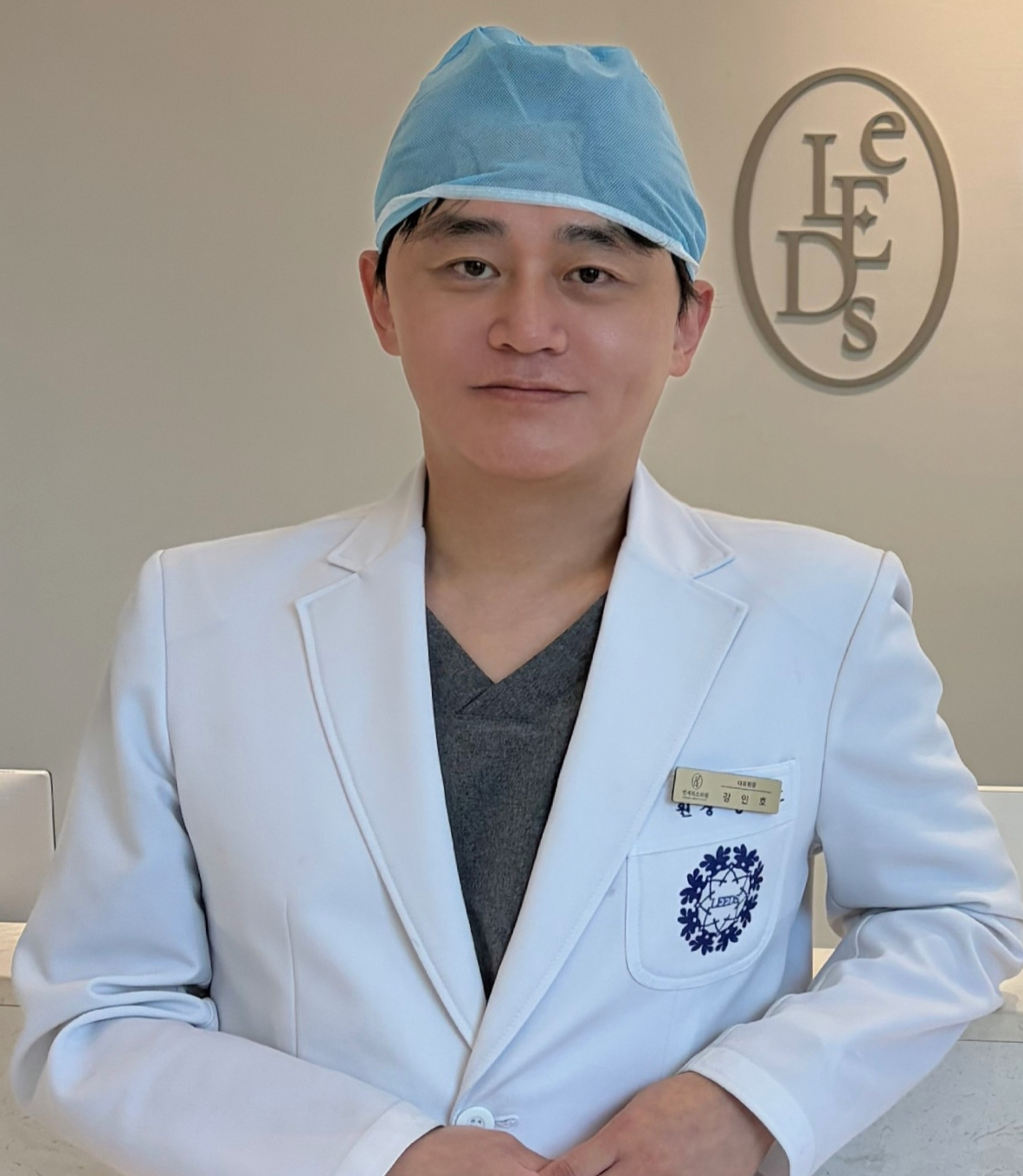
Dr. In-Ho Khang
Plastic Surgeon
Dr. In-Ho Khang Chief Director, Yonsei Leeds Clinic Plastic & Aesthetic Surgery | Facial Contouring & Volumization
Dr. In-Ho Khang graduated from Yonsei University College of Medicine — one of the most respected medical institutions in South Korea — and has since built his clinical career at some of the region's most recognized aesthetic surgery centers, including Topline Plastic Surgery Clinic (Apgujeong), Stanley Dermatology Clinic, and Ola Plastic Surgery Clinic (Apgujeong).
He is a Full Member of the Korean Society of Aesthetic Laser Medicine & Surgery, and currently serves as Chief Director of Yonsei Leeds Clinic, where his clinical focus centers on precision-based facial surgery and individualized aesthetic outcomes.
Dr. Khang is known among colleagues and patients for his commitment to restraint: a philosophy that the most successful outcome is one that looks entirely natural — as though no procedure occurred at all. This approach defines every fat grafting case he undertakes, from the initial volumization mapping to the final injection placement.
At Yonsei Leeds Clinic, the guiding philosophy is that everyone has a beautiful moment — and the role of the surgeon is not to impose an aesthetic ideal, but to help each patient find and sustain the version of themselves they feel most confident in.
Facial Fat Grafting — Restoring Three-Dimensional Facial Youth

What Is Facial Fat Grafting?
As we age, facial fat pads gradually diminish and the structural support beneath the skin recedes. This leads to hollowing around the eyes, flattening of the temples and cheeks, deepening of the nasolabial folds, and a general loss of the three-dimensional fullness associated with a youthful face. Facial fat grafting directly addresses this underlying cause — not by masking it with a temporary filler, but by physically replenishing the lost biological tissue.
At Yonsei Leeds Clinic, Dr. In-Ho Khang approaches every fat grafting case as a form of facial architecture. The face is analyzed as a three-dimensional structure — evaluating bone prominence, skin quality, existing fat distribution, and overall proportional harmony — before any injection plan is designed. The goal is always to restore the face, not to change it.
For patients seeking enhanced and longer-lasting outcomes, the clinic offers stem cell-enhanced fat grafting, which concentrates regenerative cells within the graft to support improved fat retention and may stimulate improvements in skin quality from within.
Who Is a Candidate for Facial Fat Grafting?
You may be a suitable candidate if:
- Your face appears consistently tired or aged despite adequate rest, due to volume loss beneath the skin
- You have hollow or sunken under-eye areas that create persistent dark circles or a gaunt appearance
- Your temples have become visibly flat or indented, making the upper face appear narrow or aged
- Your cheeks have lost the rounded fullness associated with youth and the midface appears flat
- Nasolabial folds have deepened due to volume deflation in surrounding tissue
- Your lips appear thinner than they once did, or the area around the mouth has become drawn
- You have previously used dermal fillers and are seeking a longer-lasting, more natural alternative
- You are concerned about the risks or feel of synthetic implants and prefer a biological solution
- You have adequate fat reserves at a donor site for harvesting
- You are in overall good health and hold realistic expectations about the gradual, natural improvements this procedure delivers
Facial Treatment Areas & Expected Improvements
Under-Eye Area (Tear Trough & Orbital Hollow): Volume loss beneath the eye creates dark shadows and a persistently fatigued appearance that topical products cannot address. Fat grafted into this region restores a smooth transition between the lower eyelid and cheek. Patients commonly report appearing more rested, alert, and younger. Results vary based on individual anatomy, skin thickness, and fat survival rate.
Temples: Temple hollowing is an underrecognized sign of aging that creates a visibly narrowed upper face. Volumizing this area restores the gentle convexity associated with youth. Improvement in facial width and overall harmony are the most commonly reported outcomes.
Cheeks & Midface: When the cheeks deflate, the entire face can appear to fall. Fat grafting to the midface reestablishes lift, projection, and fullness. Most patients also notice a softening of the nasolabial folds as a secondary benefit when midface volume is adequately restored.
Forehead: Flat or irregular forehead contours can be improved through careful fat placement, creating a smoother, more balanced profile — particularly beneficial for patients who feel the forehead lacks natural curvature.
Nasolabial Folds: Fat grafting to the midface and directly into the fold area can reduce depth and soften the shadow that deepened nasolabial folds cast. Results are proportional and naturalistic.
Lips & Perioral Area: Volume loss around the mouth creates a drawn, aged appearance. Fat grafting to this zone restores gentle fullness with results that move naturally with facial expression.
Brow Area: Hollowing above the brow can make the eyes appear heavy or the expression look stern. Fat placement here can subtly open and lift the eye area without surgical intervention on the eyelid itself.
Chin: Volume addition to the chin improves facial balance and lower face definition — without the permanence or foreign-material risk of implants.
Hip Line Fat Grafting — Natural Body Contour Enhancement

What Is Hip Line Fat Grafting?
Hip line fat grafting is a body contouring procedure that harvests fat from areas of excess accumulation and precisely injects it into the hip line to create a fuller, more balanced, and more feminine silhouette.
Where the face loses volume over time, the hip line may simply lack the natural projection and curvature that creates balanced body proportions — whether due to genetics, body composition, or changes in weight. Hip line fat grafting addresses this without implants, without foreign materials, and without permanently altering the body's natural biology. The result is a softer, more natural volume and curve that moves and feels like your own body — because it is.
At Yonsei Leeds Clinic, hip line fat grafting is designed on a fully personalized basis. Dr. In-Ho Khang evaluates each patient's existing body proportions, hip structure, and donor site characteristics before mapping a contouring plan that is specific to that patient's frame and goals. The procedure takes approximately 2 to 3 hours and is conducted under careful medical oversight throughout.
Who Is a Candidate for Hip Line Fat Grafting?
Hip line fat grafting is appropriate for patients who:
- Have a flat or underprojected hip line and desire fuller, rounder contours
- Have asymmetrical hips and wish to create greater balance between sides
- Want to improve overall body proportions and the visual relationship between the waist and hips
- Prefer natural volume without the risk, feel, or permanence of implants
- Have sufficient donor site fat at the abdomen, thighs, or surrounding areas
- Want to simultaneously reduce volume at a donor area — slimming the thighs or abdomen — while enhancing the hip line
- Are in stable overall health and have realistic expectations about the gradual nature of results as fat settles post-procedure
Hip Line Fat Grafting — Procedure Process
Step 1 — Consultation & Personalized Design
Dr. In-Ho Khang conducts a thorough assessment of the patient's body proportions, hip structure, and donor site availability. A fully individualized contouring plan is mapped — not a standardized template, but a design built around that patient's specific frame.
Step 2 — Fat Harvesting
Fat is harvested from the pre-identified donor area — commonly the thighs, abdomen, or surrounding regions — using a gentle technique designed to preserve the viability and integrity of fat cells during extraction.
Step 3 — Fat Purification
The harvested fat undergoes a dedicated purification process using a specialized fat purification system. Only healthy, viable fat cells are selected for transfer. This step directly influences the long-term survival of the graft and the smoothness of the final result.
Step 4 — Fat Transfer to the Hip Line
Purified fat is evenly and precisely injected into the hip line, creating smooth, natural contours that integrate with the patient's existing body shape. Injection is conducted with careful attention to layering and even distribution to avoid irregularities.
Step 5 — Recovery & Follow-Up
Swelling and bruising at both the donor and recipient sites are expected and normal in the days following the procedure. Patients receive detailed post-procedure care instructions and are monitored through scheduled follow-up appointments. Final results become progressively visible as swelling resolves and transferred fat integrates.
Full Treatment Journey — Shared Process for Both Services
Whether a patient is seeking facial fat grafting, hip line fat grafting, or both in a combined session, the overarching clinical process at Yonsei Leeds Clinic follows the same commitment to precision at every stage.
Consultation: A thorough one-on-one evaluation with Dr. In-Ho Khang, covering goals, anatomy, donor site assessment, and realistic outcome expectations.
Pre-Procedure Preparation: Medications that may increase bleeding risk are discontinued prior to the procedure, as directed by the medical team. A full medical history review is completed before any procedure date is confirmed.
Fat Harvesting: Performed with gentle technique to maximize fat cell viability from the outset.
Fat Purification: Conducted using a specialized purification system to isolate the highest-quality viable cells for transfer.
Injection / Transfer: Multi-layer, precision injection for the face; even, smooth distribution for the hip line — both designed for natural-looking, proportional results.
Recovery Monitoring: Post-procedure care instructions are provided in full. Follow-up appointments allow Dr. Khang to monitor healing, assess fat retention, and advise on whether supplementary sessions would be appropriate.
Results, Safety & Longevity
Fat cells that successfully establish a vascular supply following transfer can provide results that last for a significant period. Not all transferred fat cells will survive — this is a known biological reality — which is precisely why technique, purification quality, and injection precision matter so fundamentally to outcomes.
At Yonsei Leeds Clinic, the fat purification system and multi-layer injection approach used in facial grafting, and the careful even-distribution technique used in hip line grafting, are specifically designed to maximize the conditions for fat cell survival and smooth long-term contour.
For facial patients seeking additional longevity and skin regeneration benefits, stem cell-enhanced fat grafting is available as an upgrade option.
Safety Profile: Because autologous fat contains no foreign material, the risk of allergic reaction is eliminated. Temporary side effects — swelling, bruising, and mild tenderness at donor and recipient sites — are expected and resolve progressively. As with any procedure, individual healing response, lifestyle factors, and skin quality all influence final outcomes. All patients receive a thorough risk and expectation discussion with Dr. Khang prior to confirming any procedure. Post-procedure medical staff guidance must be followed carefully for optimal recovery.
Important pre-procedure note: Medications that may increase bleeding risk should be discontinued before surgery, as directed by the medical team.
Why Choose Yonsei Leeds Clinic?
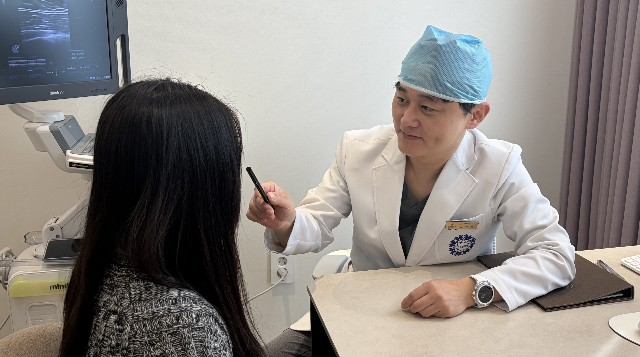
Facial and hip line fat grafting are among the most technique-sensitive procedures in aesthetic surgery. The difference between a result that looks genuinely natural and one that appears uneven, overdone, or inconsistent lies almost entirely in the surgeon's anatomical understanding, judgment, and the precision with which every step is executed.
At Yonsei Leeds Clinic, this reality is taken seriously from the very first consultation. Dr. In-Ho Khang — trained at Yonsei University College of Medicine and experienced across multiple leading aesthetic clinics including Topline Plastic Surgery (Apgujeong) and Ola Plastic Surgery (Apgujeong) — brings both the technical foundation and the clinical philosophy that demanding procedures like these require. He does not approach fat grafting as a volume-adding exercise. He approaches it as restoration — of the face, of body balance, of the patient's most confident self.
Every plan is designed individually. Every procedure is performed with the direct involvement of the Chief Director. And every patient is guided through recovery with the same level of clinical attention that the procedure itself receives.
What distinguishes Yonsei Leeds Clinic:
- Zero foreign materials — entirely autologous fat, eliminating allergy risk and delivering naturalistic feel and movement
- Specialized fat purification system — maximizing the proportion of viable, healthy fat cells selected for transfer
- Multi-layer facial injection technique — fat placed across multiple tissue planes in fine passes for smooth, natural contours
- Stem cell-enhanced option — available for facial patients seeking improved graft retention and skin regeneration
- Dual benefit of fat harvesting — donor site slimming simultaneously achieved with facial or hip volumization
- Personalized 1:1 body and facial design — no standard templates; every plan built around that patient's specific structure and proportions
- Dr. In-Ho Khang's direct surgical oversight — every case managed and performed under the Chief Director's personal involvement
- International patient experience — structured to support patients traveling from abroad through every stage of their care journey
What to Expect: Typical Treatment Journey
Patient A — Facial Fat Grafting: Under-Eye & Temple Restoration
A patient in her early forties sought treatment for persistent dark circles and visible temple hollowing that had developed gradually over several years. Following facial fat grafting to the tear trough and temple areas under Dr. Khang's care, she reported a noticeably more rested and refreshed appearance. She described the outcome as looking like herself at a younger age, with no visible sign that any procedure had taken place. Swelling resolved over several weeks, with final results visible at the three-month mark.
Patient B — Hip Line Fat Grafting: Contour & Proportion Enhancement
A patient in her late twenties felt that her hip line lacked the definition and curvature she desired, despite maintaining a healthy lifestyle. She opted for hip line fat grafting at Yonsei Leeds Clinic, with fat harvested from her thighs. Following the procedure, she reported a noticeably more balanced silhouette and described the volume as feeling entirely natural — soft, proportionate, and consistent with her own body. She was also pleased by the simultaneous improvement in thigh contour at the donor site.
Patient C — Combined Facial & Hip Fat Grafting
A patient in her mid-thirties sought both facial rejuvenation and body contouring in a single treatment plan. Facial fat grafting was performed across the cheeks, temples, and under-eye area, while hip line fat grafting utilized harvested abdominal fat. She reported feeling that the combined outcome addressed both areas of concern in a way that felt cohesive and natural — with the added benefit that the fat removal had also produced visible improvement at the donor site. She described the overall result as the most natural aesthetic improvement she had experienced. Suggested image: Before/after — full facial frontal and three-quarter view alongside posterior body view
Illustrative examples. Individual results vary.
Final Call to Action
Your Natural Transformation Begins With One Consultation
At Yonsei Leeds Clinic, we believe that the best aesthetic result is one that no one can identify — a version of you that looks refreshed, balanced, and genuinely like yourself. Facial fat grafting and hip line fat grafting, performed with precision and guided by Dr. In-Ho Khang's individual approach to every patient's anatomy and goals, offer a path to natural, lasting improvement without synthetic materials, without implants, and without compromise on safety or quality.
We welcome patients from across the world to consult with our team, discuss their goals, and understand exactly what a personalized fat grafting plan at Yonsei Leeds Clinic would involve for them — with no obligation and complete clinical transparency at every stage.
[Book Your Consultation with Dr. In-Ho Khang]
For international patient enquiries or to request a remote pre-consultation, please contact our clinic directly. Our team will guide you through every step of the preparation and care journey.
Other Services
Explore additional treatments offered by our specialists.
Fat Grafting
Autologous fat grafting — also known as fat transfer — is a procedure that uses your own body fat to restore volume, contour, and proportion to areas that have become hollow, flat, or asymmetrical over time.
Learn More
Medical Skin Care
Medical skin care outcomes at Yonsei Leeds are designed to be progressive, biological, and sustainable.
Learn More
Acne Treatment
Acne treatment outcomes depend on the underlying cause, severity, and consistency of the patient's adherence to the program — both in-clinic and with any prescribed home care.
Learn More