Personalized Plastic Surgery & Aesthetic Care in Seocho-gu, Seoul


Medical Guide
Who Is a Candidate for Gynecomastia (Male Breast) Surgery
Discover who is a candidate for gynecomastia surgery, key eligibility factors, and expected results. Learn if male breast reduction is right for you—book a consultation today!
Schedule a ConsultationWho Is a Candidate for Gynecomastia (Male Breast) Surgery?

Understanding Gynecomastia
Gynecomastia is a condition characterized by the enlargement of male breast tissue, often caused by a hormonal imbalance between estrogen and testosterone. It can occur during adolescence, adulthood, or later in life and may affect one or both sides of the chest.
In clinical practice, gynecomastia is typically categorized based on the type of tissue involved. Some patients present with excess fatty tissue (pseudogynecomastia), while others have firm glandular tissue beneath the nipple. Many cases involve a combination of both. Common contributing factors include hormonal fluctuations, certain medications, weight gain, liver or endocrine conditions, and genetic predisposition.
Although gynecomastia is not usually harmful from a medical standpoint, it can significantly impact quality of life. Patients may experience physical discomfort, sensitivity in the chest area, and challenges with clothing fit. Psychological effects—such as reduced confidence or social discomfort—are also frequently reported.
What Is Gynecomastia Surgery?
Gynecomastia surgery, also known as male breast reduction surgery, is designed to remove excess fat and/or glandular tissue to create a flatter, more contoured chest appearance. The surgical approach is determined based on the patient’s anatomy and the underlying cause of enlargement.
At YONSEI LEEDS CLINIC, treatment planning is individualized. The procedure may involve:
- Liposuction for removing excess fat deposits
- Excision techniques for dense glandular tissue
- A combined approach to address both components effectively
The primary goal is to achieve a natural chest contour that aligns with the patient’s overall body proportions, rather than creating an overcorrected or artificial appearance.
Who Is a Suitable Candidate for Gynecomastia Surgery?
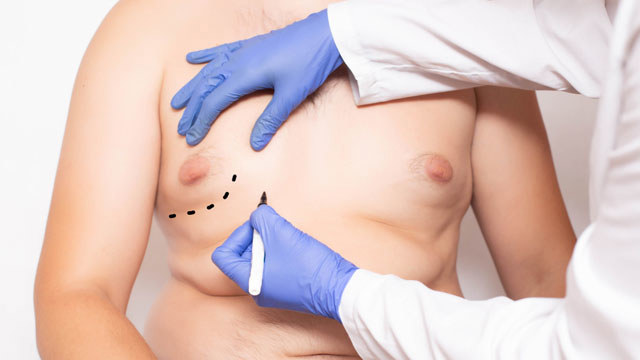
Candidacy for gynecomastia surgery is determined through a comprehensive clinical evaluation. While individual circumstances vary, suitable candidates generally meet several key criteria:
Persistent Chest Enlargement
Patients who have not achieved improvement through diet, exercise, or medical management may benefit from surgical intervention. This is particularly relevant when glandular tissue is present and resistant to non-surgical methods.
Good Overall Health
Candidates should be in stable physical health without uncontrolled medical conditions. This helps reduce surgical risks and supports proper healing.
Stable Body Weight
Maintaining a consistent weight is important for long-term results. Significant weight changes after surgery can affect chest contour and overall outcomes.
Non-Smoking Status
Smoking can impair circulation and delay wound healing. Patients are typically advised to stop smoking before and after surgery to reduce complication risks.
Realistic Expectations
Understanding the scope and limitations of the procedure is essential. Gynecomastia surgery improves contour but does not guarantee perfection or eliminate all asymmetries.
Psychological Readiness
Candidates who pursue surgery for personal well-being—rather than external pressure—tend to experience more satisfactory outcomes.
In certain cases, younger patients may be considered for surgery if gynecomastia persists beyond puberty and causes significant emotional distress. However, timing is carefully evaluated to ensure hormonal stability.
Procedure Process: What to Expect
Preoperative Consultation
At YONSEI LEEDS CLINIC, the process begins with a detailed consultation. This includes:
- Physical examination of the chest
- Assessment of fat versus glandular tissue
- Review of medical history and medications
- Discussion of goals and expected outcomes
Surgical Procedure
Gynecomastia surgery is typically performed under local anesthesia with sedation or general anesthesia. The procedure involves:
- Small, strategically placed incisions (often around the areola)
- Removal of excess fat via liposuction and/or glandular excision
- Reshaping of the chest for improved symmetry and contour
Duration and Setting
The procedure generally takes 1 to 2 hours and is usually performed on an outpatient basis, allowing patients to return home the same day.
Expertise of In-Ho Khang

Dr. In-Ho Khang, the Representative Director of YONSEI LEEDS CLINIC, is a recognized specialist in aesthetic plastic surgery with a focused interest in male body contouring, including gynecomastia correction.
A graduate of Yonsei University College of Medicine, Dr. Khang combines academic training with clinical expertise. His roles in professional societies, including leadership positions in Korean aesthetic and plastic surgery organizations, reflect his commitment to maintaining high standards in patient care.
His surgical approach emphasizes:
- Precise differentiation between fat and glandular tissue
- Balanced, natural-looking chest contouring
- Minimization of visible scarring
- Long-term aesthetic stability
Importantly, Dr. Khang is directly involved in both consultation and surgery, ensuring continuity and consistency throughout the patient journey.
Hospital Strengths and Clinical Philosophy
YONSEI LEEDS CLINIC distinguishes itself through a patient-centered and academically grounded approach to care.
Individualized Care
Each treatment plan is tailored to the patient’s anatomy, lifestyle, and expectations. Standardized or “one-size-fits-all” procedures are avoided.
Academic Collaboration
The clinic operates as an academic cooperation institution with the Korean Society for Aesthetic and Plastic Laser Medicine, supporting continuous learning, research, and adherence to evolving best practices.
Advanced Technology
A curated selection of medical devices, including precision liposuction systems and energy-based contouring technologies, enhances surgical accuracy and consistency.
Transparent Communication
Patients receive clear, evidence-based information regarding procedure options, risks, recovery, and expected outcomes, allowing for informed decision-making.
Recovery, Safety, and Realistic Outcomes
Recovery Timeline
Recovery following gynecomastia surgery is typically manageable:
- First few days: Mild swelling, bruising, and discomfort
- 1–2 weeks: Return to routine daily activities
- 3–4 weeks: Gradual resumption of physical exercise
- Several months: Final results become more apparent as swelling subsides
Postoperative Care
Patients are advised to:
- Wear compression garments to support healing and contour
- Avoid strenuous activities during early recovery
- Attend scheduled follow-up appointments
Safety Considerations
As with any surgical procedure, potential risks include infection, asymmetry, scarring, or temporary changes in sensation. Careful surgical planning and adherence to postoperative instructions help minimize these risks.
Expected Outcomes
Gynecomastia surgery can provide long-lasting improvement in chest contour and body proportion. Results are typically stable when patients maintain a healthy lifestyle and stable weight. However, outcomes vary depending on individual factors such as skin elasticity and tissue composition.
Conclusion
Gynecomastia surgery is an effective and established option for men experiencing persistent chest enlargement that does not respond to non-surgical measures. Identifying the right candidate requires a balanced evaluation of physical health, anatomical factors, and personal expectations.
At YONSEI LEEDS CLINIC in Seocho-gu, Seoul, patients benefit from a structured, individualized approach under the guidance of Dr. In-Ho Khang. The focus remains on safe, precise treatment and natural-looking results that align with each patient’s unique characteristics.
For those considering gynecomastia surgery, a comprehensive consultation is the most reliable step toward understanding suitability and exploring appropriate treatment options.
More Articles
Continue reading our clinical guides.

Understanding Body Contouring and What Patients Can Expect
Understand body contouring procedures, benefits, and recovery expectations. Discover what patients can expect and achieve your ideal shape—learn more today!
Learn More
Who Is a Candidate for Gynecomastia (Male Breast) Surgery
Discover who is a candidate for gynecomastia surgery, key eligibility factors, and expected results. Learn if male breast reduction is right for you—book a consultation today!
Learn More

How Laser Treatments Work for Skin Rejuvenation
Learn how laser treatments work for skin rejuvenation, improve tone and texture, and reduce signs of aging. Discover benefits and book your consultation today!
Learn More