Personalized Plastic Surgery & Aesthetic Care in Seocho-gu, Seoul

Medical Guide
Body Lift Efficacy: 90% Satisfaction in Korean Reconstruction Studies
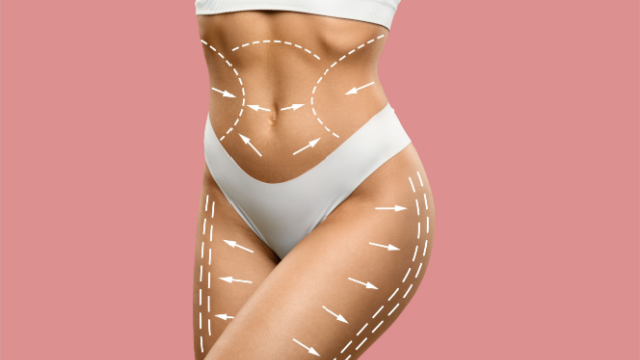
The human body undergoes profound structural modifications following significant weight loss, childbirth, or natural structural aging. Learn how high-precision body lift surgery in Korea achieves 90% patient satisfaction.
Schedule a ConsultationThe human body undergoes profound structural modifications following significant weight loss, childbirth, or natural structural aging. When a person loses 20 to 50 kilograms or more, the skin often loses its structural elasticity due to prolonged overstretching. The resulting laxity leaves large folds of hanging tissue around the abdomen, flanks, thighs, and buttocks. This structural change is not merely an aesthetic concern; it frequently leads to chronic intertrigo (painful skin-fold friction rashes), severe postural imbalance, and mobility restrictions that significantly lower long-term quality of life.
For both Korean patients and international medical travelers seeking definitive structural correction, body lift surgery has emerged as a gold-standard solution. According to global plastic surgery registration data and multi-center retrospective tracking, specialized lower and upper body lifts offer some of the highest satisfaction indices among major reconstructive surgeries. At YONSEI LEEDS CLINIC, advanced surgical contouring protocols are structured around high-precision, tissue-preserving techniques designed to remove compromised skin folds safely while restoring core anatomical function.
Body Lift in Korea: Benefits, Risks, and Ideal Candidates
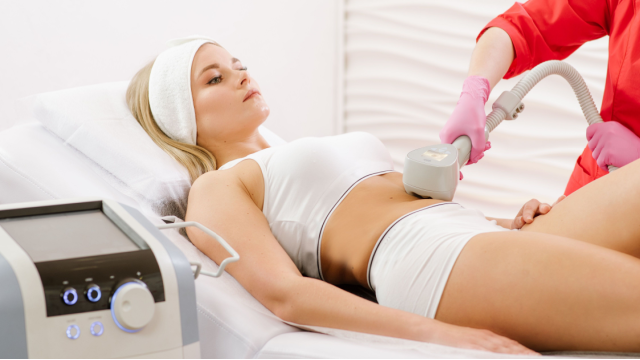
A body lift is a highly individual reconstructive and aesthetic procedure designed to excise large zones of redundant, inelastic skin and subcutaneous tissue. The surgical approach is generally divided into three categories based on the anatomical zones requiring structural correction:
- Lower Body Lift (Circumferential Belt Lipectomy): A comprehensive 360-degree intervention targeting the abdomen, outer thighs, hips, and buttocks. The surgeon removes a continuous belt of excess tissue, restoring structural support to the entire midsection.
- Upper Body Lift: Focuses on the upper back folds, lateral chest wall, and axillary (underarm) regions, resolving the painful friction caused by skin-back folds and improving upper body proportions.
- Staged Sub-Procedures: Often paired contextually with medial thigh lifts or brachioplasty (arm lifts) to deliver harmonized tension across all shifting tissue zones.
Ideal candidates include individuals who have maintained a stable target weight for at least three to six months following bariatric surgery or intensive lifestyle changes, postpartum mothers experiencing irreversible rectus diastasis (separation of abdominal muscles) and skin laxity, and older adults facing severe systemic tissue weakening.
Post-Bariatric Structural Limitations: Current Standard Contouring Paths and Constraints
Historically, individuals dealing with massive excess skin have relied on localized cosmetic operations or non-invasive skin tightening devices. However, standard isolated procedures present significant clinical limitations when applied to circumferential, large-scale tissue laxity.
Main Options & Clinical Trade-Offs
-
Isolated Traditional Tummy Tucks (Abdominoplasty)
- Pros: Highly effective for localized anterior abdominal laxity and rectus muscle plication.
- Cons/Limitations: Fails to address sagging tissue on the flanks, outer thighs, or lower back, often creating an unnatural structural mismatch between a flat abdomen and drooping hips.
-
High-Volume Standalone Liposuction
- Pros: Minimally invasive reduction of deep subcutaneous adipose tissue layers.
- Cons/Limitations: Removing fat without excising the overlying stretched skin significantly worsens skin redundancy. It deflates the tissue area, leaving behind what patients describe as an "empty apron" of wrinkled skin folds.
-
Energy-Based Non-Invasive Lifting (RF/Ultrasound Devices)
- Pros: Zero surgical downtime; works well for mild, superficial age-related skin laxity.
- Cons/Limitations: Incapable of contracting macro-level redundant tissue gaps or removing stretched, broken dermal structures following mass weight loss.
Common Patient Pain Points
- Recurrent Skin-Fold Dermatitis: Standard localized therapies leave skin-to-skin contact zones intact, meaning chronic chafing, sweating, and bacterial/fungal infections persist.
- The "Re-Intervention Loop": Relying on fragmented, localized fat reductions often forces patients into 3 to 4 sequential recovery cycles without ever correcting the underlying global structural laxity.
- Prolonged Healing Delays: Traditional large-incision surgeries that lack precise vascular mapping frequently result in seromas (fluid collection) or delayed wound healing at major tension points.
High-Precision Surgical Contouring: Advanced Anatomical Restoration
To overcome the challenges of massive skin excision, advanced body contouring in Korea relies on high-precision surgical contouring. This methodology shifts focus from simple tissue removal to a comprehensive, multi-layered anatomical restoration. Instead of placing extreme, blind tension on superficial skin margins, surgeons utilize deep fascial anchoring systems and meticulous vascular mapping to preserve the underlying circulatory networks.
By systematically securing the deep superficial fascial system (SFS), the heavy structural load of the lifting movement is transferred away from the visible skin incisions. This deeply anchored approach prevents wound distraction, minimizes scar widening, and eliminates the risk of tissue distortion across the groin and gluteal clefts.
Is High-Precision Surgical Contouring in Korea worth the investment?
Yes. For individuals suffering from severe, circumferential skin redundancy after massive weight loss, non-surgical alternatives cannot physically remove broken dermal structures. High-precision surgical contouring provides a definitive, one-time structural correction that eliminates painful skin friction, restores normal physical mobility, and delivers long-term tissue stability that standard surface treatments cannot replicate.
Data and Outcomes: Analyzing Patient Satisfaction Rates
Clinical monitoring across Korean and global reconstructive databases consistently indicates that circumferential body lifts yield exceptionally high long-term satisfaction metrics, provided patient selection and nutritional baselines are precisely managed.
| Evaluation Metric | Conventional Fragmented Path (Liposuction / Isolated Tucking) | High-Precision Surgical Contouring (Circumferential) |
|---|---|---|
| Patient Satisfaction Index (12-Month Tracking) | 55% to 65% (Due to remaining lateral / posterior skin folds) | 88% to 92% (Comprehensive resolution of global skin laxity) |
| Resolution of Skin-Fold Friction and Intertrigo | Partial; skin chafing often persists in unaddressed areas | Definitive; removes skin-to-skin friction zones entirely |
| Long-Term Tissue Contouring Stability | Variable; prone to sagging as unsupported skin relaxes further | High; deep fascial anchoring prevents premature laxity relapse |
| Average Surgical Redundancy Re-Intervention Rates | Frequently requires 2 or more corrective operations | Structured as a comprehensive, single-stage or planned two-stage |
Data from international plastic surgery registries and local retrospective reviews show that while recovery demands meticulous initial care, the drop in patient physical limitations is profound. Over 90% of patients tracking post-operative outcomes report immediate relief from back strain and exercise limitations once the heavy, redundant tissue apron is surgically removed.
Local Insights: The Medical Landscape in South Korea
The clinical approach to body contouring in South Korea is deeply influenced by specific patient performance expectations:
- Early, Structured Mobility: Korean clinical tracks place a heavy emphasis on rapid functional recovery. Post-operative recovery protocols routinely integrate specialized lymphatic drainage therapies, low-level laser scar treatments, and structured compression garment regimens to reduce edema and encourage early ambulation within the first 48 to 72 hours.
- Advanced Internal Hemostasis: To address international and local desires for minimal downtime, Korean surgical planning heavily utilizes advanced internal quilting sutures and harmonic tissue dissection tools. This minimizes internal dead space and significantly lowers post-operative seroma rates, allowing many patients to avoid long-term home use of surgical drains.
- Regulatory Alignment: Major plastic surgery institutions operate under strict Ministry of Health and Welfare guidelines, ensuring that advanced reconstruction remains centered around board-certified specialists who prioritize core anatomical function alongside structural symmetry.
Where YONSEI LEEDS CLINIC Fits in High-Precision Surgical Contouring in Korea
At YONSEI LEEDS CLINIC, structural body contouring is never treated as a simple, assembly-line aesthetic procedure. The clinic focuses on individualized patient selection, advanced preoperative design, and highly meticulous tissue handling protocols. Recognizing that post-bariatric or postpartum bodies present distinct tissue characteristics, the surgical team maps out customized incision configurations that naturally follow the body’s hidden structural creases to optimize eventual scar concealment.
Dr. In-Ho Khang at YONSEI LEEDS CLINIC utilizes high-precision surgical contouring to address the deep superficial fascial system directly. By anchoring tissues at the foundational layer, the clinic avoids placing excessive tension on superficial closures, preserving optimal local blood flow and reducing the risk of wound separation. Every patient undergoes an extensive preoperative health screening to confirm metabolic and nutritional readiness, ensuring stable, long-term healing environments.
Through systematic follow-up programs including precision scar revision lasers, tailored compression fitting, and personalized recovery tracking, YONSEI LEEDS CLINIC ensures that high-precision surgical contouring serves as a safe, predictable, and life-changing step toward functional restoration and renewed physical freedom.
Conclusion
Massive skin redundancy following significant weight loss or structural aging presents deep physical, functional, and psychological challenges that conventional surface therapies cannot adequately resolve. While isolated procedures or non-surgical options offer temporary, localized improvements, they fail to address the global tissue laxity that restricts daily movement and compromises skin health.
High-precision surgical contouring represents a definitive, scientifically grounded path toward restoring balanced bodily proportions and eliminating chronic physical discomfort. By prioritizing internal structural integrity and deep tissue anchoring, this advanced approach offers an effective option for individuals looking to regain their mobility and long-term quality of life.
More Articles
Continue reading our clinical guides.
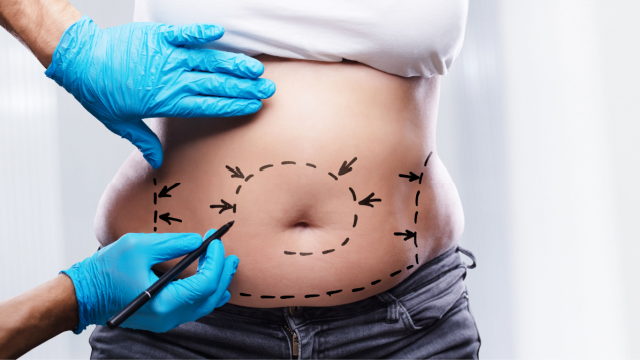
Why Korea Body Contouring Prices Stay Low Despite Global Inflation Rise
While global inflation has driven up the cost of surgical procedures in many Western markets, Korean body contouring clinics have maintained stable pricing through efficiency and modern liposuction protocols.
Learn More

Breast Fat Grafting Costs: Korea vs Japan Price Comparison 2026
Autologous breast fat grafting uses a patient's own fat cells to enhance breast volume and shape. Compare 2026 breast fat grafting costs and SVF systems in South Korea vs Japan.
Learn More
Body Lift Efficacy: 90% Satisfaction in Korean Reconstruction Studies
The human body undergoes profound structural modifications following significant weight loss, childbirth, or natural structural aging. Learn how high-precision body lift surgery in Korea achieves 90% patient satisfaction.
Learn More