Personalized Plastic Surgery & Aesthetic Care in Seocho-gu, Seoul

Medical Guide
What Drives the Cost of Gynecomastia Surgery in Korea
What makes one gynecomastia correction a bigger undertaking than another in Korea, how those factors shape an individual quote, and what to ask for in writing.
Schedule a ConsultationWhat Drives the Cost of Gynecomastia Surgery in Korea
Medically reviewed by Dr. In-Ho Khang, MD, Yonsei University College of Medicine; Chief Academic Director of Plastic Surgery, Korean Society of Aesthetic Surgery & Laser (KSASL)
Men researching gynecomastia surgery cost in Korea usually start by looking for a single figure, and the single figure is the part that does not exist. Two men can walk into the same clinic with chests that look alike in a shirt and leave with plans that differ in what is being removed, how, how long the operation takes, and how much follow-up it needs. This article is about those differences — the clinical variables that decide how large an undertaking your correction is — and about getting the plan written down so you can read it before committing to anything.
Why the Same Operation Gets Quoted Differently
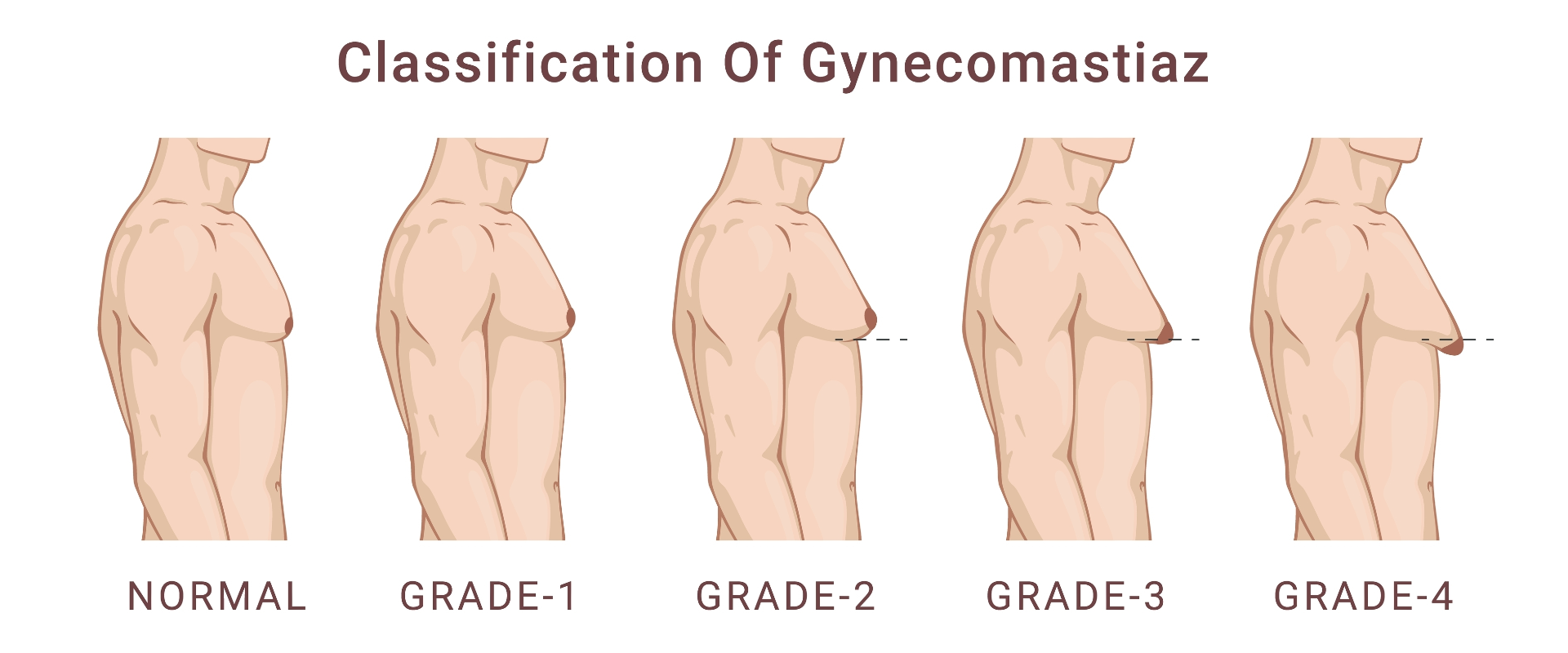
"Gynecomastia surgery" is a category, not a procedure. The American Society of Plastic Surgeons describes the condition as characterized by excess localized fat, excess development of glandular tissue, sometimes excess breast skin, and a presence that can be on one side or on both. Those four variables combine differently in every man who seeks treatment, and each combination asks for a different operation.
That is why a clinic that evaluates you properly will not give you a number before it has examined you. A quote is downstream of a plan, and the plan is downstream of an examination.
YONSEI LEEDS CLINIC, a plastic surgery and aesthetic medicine clinic in Seocho-gu, Seoul, states that it plans treatment individually rather than working from a standard approach, and that the in-person consultation is a paid appointment. The rest of this article walks through the variables that consultation is measuring. None of them is a line item on an invoice. All of them change how much operating is involved.
Driver One: Whether the Tissue Is Gland, Fat, or Both
This is the largest single variable, and it is a question of biology rather than of preference.
Mayo Clinic draws the line clearly. It describes gynecomastia as an increase in the amount of breast gland tissue, driven by an imbalance between estrogen and testosterone, and names a separate condition, pseudogynecomastia, as an increase in fat but not gland tissue — chest fat that looks like gynecomastia without being it. Johns Hopkins Medicine notes that the condition may begin as a lump or as fatty tissue beneath the nipple.
The reason this matters to scope is that the two tissues do not come out the same way. Mayo Clinic names two surgical options and separates them precisely: liposuction removes breast fat but not the breast gland tissue itself, while mastectomy removes the breast gland tissue. It adds that the two are sometimes combined.
Read that as three possible operations rather than one. A fat-dominant chest may be addressed by suction alone. A chest with substantial gland may require that gland to be removed directly. A mixed chest may need both in the same sitting, which means more steps, more operating time, and a longer plan than either approach alone.
Quantity matters too. Mayo Clinic notes that with smaller amounts of gland tissue the removal can be done through small incisions, and that this lessens recovery time.
Driver Two: How Much Skin Has to Be Dealt With
Skin is the second axis, and it is independent of the first. You can have a modest amount of tissue sitting in an envelope that will not shrink, or a large amount sitting in skin that will.
The American Society of Plastic Surgeons notes that in more pronounced cases the weight of excess breast tissue can cause the chest to sag and stretch the areola, and that the position and size of the areola can then be surgically improved and excess skin reduced. That is an addition to the operation, not a refinement of it. ASPS makes a matching point in its liposuction guidance: firm, elastic skin gives better results, skin made soft and thin by stretch marks, weight loss, or aging will not reshape as well, and extra skin may require further surgery to remove and tighten.
That gives three broad situations:
- Skin expected to tighten on its own. Nothing is added to the operation. This is the smallest version of the undertaking.
- Skin that is borderline. The plan may be staged, with the result assessed after healing before anything further is decided.
- Skin that clearly has to be removed. This adds a step, adds scar, and in some patterns involves repositioning the nipple and areola.
If you have lost a significant amount of weight before seeking treatment, this is the variable most likely to decide your plan. Ask which of the three your surgeon thinks applies, and what happens if the skin behaves differently from the prediction.
Driver Three: Whether the Two Sides Match
Chests are rarely symmetrical to begin with. Mayo Clinic notes that gynecomastia can affect one or both breasts, sometimes unevenly, and Johns Hopkins Medicine makes the same observation.
A chest where one side carries more gland than the other is not simply a chest with more tissue overall. It is a chest where each side needs its own plan: different amounts removed, possibly different techniques, and a judgment about how closely the two can be matched.
There is a second reason asymmetry belongs early in the conversation. Mayo Clinic states that enlargement of one breast, or the presence of a firm lump, raises concern for male breast cancer. Johns Hopkins Medicine states that gynecomastia is not linked to breast cancer and that breast cancer in people with a penis is rare, while also noting that a provider may run tests to rule it out. Both statements are true at once, and the practical consequence is the same: one-sided enlargement is a reason to be assessed medically before being quoted cosmetically. The same applies to a firm or hard lump, nipple discharge, dimpled skin over the breast, or a chest that has become painful or tender, all of which Mayo Clinic lists among the signs that warrant a doctor's attention.
Driver Four: Chest Alone, or Chest Plus Other Areas
Many men who seek chest correction also want something done about the flank, the upper abdomen, or the back, because those areas sit in the same silhouette. Whether you treat them in the same operation is a genuine fork in the plan.
ASPS lists the chest among the areas liposuction commonly treats, alongside the abdomen and waist, the back, the hips and buttocks, the thighs, and the upper arms. It also states plainly that liposuction can be performed alone or alongside other plastic surgery procedures.
Combining is not automatically better. More area treated in one sitting means a longer operation and a recovery that asks more of you. Less area means a shorter operation and a narrower result, with the option of returning later. What matters is knowing which version you were given: a plan that treats the chest and the flanks is a different plan from one that treats the chest, so if you asked about both at consultation, confirm in writing which one is in front of you.
ASPS is also explicit about a boundary worth taking seriously: liposuction is not a treatment for obesity and not a substitute for diet and exercise, and it works for people of normal weight who carry some extra fat.
Driver Five: What the Follow-Up Program Covers
The operation is a day. The recovery is months, and how much clinical attention it involves varies with what was done.
ASPS describes the immediate post-operative arrangements in conditional language that tells you something useful. Dressings or bandages are applied to the incisions. An elastic bandage or support garment may be used to limit swelling and support the chest while it heals. A small, thin tube may be temporarily placed under the skin to drain fluid. That "may" is the point: a drain is not part of every gynecomastia correction, and whether you need one depends on how much was removed and how.
YONSEI LEEDS CLINIC maintains its post-operative care for gynecomastia as a named service line rather than as a discharge instruction. The clinic states that the program includes post-operative assessment, guidance on compression garment use, support for swelling during early recovery, scar management once the incision has closed sufficiently, and radiofrequency-based care for skin firmness where clinically appropriate. It states that care is adjusted to each patient's healing progress, that garment fit, wear schedule, and weaning are individually guided, and that international patients can receive structured remote follow-up after returning home.
Treat the follow-up program as part of the undertaking. More extensive surgery generally means more follow-up, and follow-up that happens across an ocean has its own logistics. Ask how many assessments the plan anticipates, which are expected to happen in Seoul, and which can be handled remotely.
The Assessment That Sets the Scope
Every variable above is settled by an examination, which is why the consultation is the hinge of the whole process rather than a formality before it.
ASPS describes what a gynecomastia consultation covers. Expect to discuss your goals, your medical conditions and allergies, your current medications and supplements, your alcohol, tobacco, and any recreational drug or steroid use, and any previous surgery. The surgeon may evaluate your general health, perform diagnostic testing to determine the underlying cause including testing of endocrine function, examine the chest and take detailed measurements of size and shape, skin quality, and the placement of the nipples and areolas, photograph the chest for your record, recommend a course of treatment, and discuss likely outcomes, risks, and anesthesia.
Mayo Clinic describes the diagnostic side in similar terms: history, a review of medicines taken, a physical examination, and, depending on findings, blood tests, imaging, or a tissue biopsy. It notes that where the diagnosis is fat rather than gland, further testing is not needed, and Johns Hopkins Medicine likewise notes that tests are sometimes unnecessary. The assessment can change the plan rather than price it: if it finds something needing medical attention first, the cosmetic plan waits.
Causes That Change the Plan Rather Than the Quote
Some of what produces gynecomastia is reversible, and a surgeon who finds it will usually want it addressed before operating.
Mayo Clinic lists a wide range of contributors: medicines including anti-androgens, anabolic steroids, some HIV and ADHD medicines, certain antidepressants, and some ulcer and heart medicines; alcohol and several recreational drugs; and conditions including hypogonadism, aging, tumors of the testes, adrenal glands, or pituitary, an overactive thyroid, kidney failure, liver failure, and malnutrition. Johns Hopkins Medicine names an overlapping set, and sets out the usual sequence: stop the medicine causing it where possible, treat the underlying condition, consider hormone therapy, and reserve surgery for cases where the extra tissue still needs removing. It adds that if the underlying problem is not addressed, the condition can come back after it is treated.
ASPS makes the matching point about durability on the surgical side. It states that results are permanent in many cases, but that where the gynecomastia was caused by prescription medications, drugs including steroids, or weight gain, the patient must be fully free of those substances and remain at a stable weight for the result to hold — and that you should speak to your physician before changing any prescription. None of this makes an operation larger or smaller. It decides whether the operation is the right next step at all.
What YONSEI LEEDS CLINIC States About How It Plans
The clinic identifies gynecomastia correction as one of its highest-volume specialties and lists it first among the procedures its United States patients request. It is led by Dr. In-Ho Khang, who earned his MD from Yonsei University College of Medicine and serves as Chief Academic Director of Plastic Surgery at the Korean Society of Aesthetic Surgery & Laser. He is the clinic's sole physician, and the clinic states that he personally conducts the consultation, the surgery, and the post-operative assessment. His background appears on the clinic's doctor profile page.
The clinic's published position on scope is consistent with the clinical logic above. It states that gynecomastia may involve firm gland beneath the nipple, excess chest fat, or both, that assessing which it is matters when selecting the approach, that Dr. Khang evaluates each chest before treatment, and that the plan is built from that assessment rather than from a standard template. It describes the goal as a chest contour that is flat, natural, and proportionate to the patient's build.
The clinic also records in its own documentation that it should not claim guaranteed results, guaranteed symmetry, specific success rates, complication-free outcomes, or exact recovery timelines. It describes Dr. Khang as a board-certified specialist without naming the issuing board, so the practical step is to ask to see the certificate at consultation. The clinic is registered with Korea's Ministry of Health and Welfare as a Medical Institution for Attracting Foreign Patients, a registration permitting it to treat international patients rather than a quality accreditation or a United States credential.
Asking for the Plan in Writing
Everything above is only useful if you can see how it was applied to you. Ask for the plan in writing, and read it before agreeing to anything.
ASPS publishes a consultation checklist you can take with you. It suggests asking whether the surgeon trained specifically in plastic surgery and for how many years, whether they hold hospital privileges for the procedure, whether the surgical facility is accredited or licensed, whether you are a good candidate, where and how the procedure will be performed, what technique is recommended for you, how long a recovery to expect, what the risks are and how complications are handled, what your options are if you are dissatisfied, and whether there are before-and-after photographs showing reasonable results for a case like yours. The list also asks about American Board of Plastic Surgery certification, which does not map onto a surgeon practicing in Korea, though the underlying question about training does.
ASPS adds a second list aimed at recovery, worth asking in the same conversation: what medication you will be given, whether there will be dressings and when they come off, whether stitches are removed and when, when you can resume normal activity and exercise, and when to return for follow-up care.
To those, add the questions specific to scope:
- Which of the three operations is planned for me — removal of fat, removal of gland, or both?
- Is skin being removed, and if so, in what pattern and where will the scar sit?
- Are the two sides being treated the same way, and if not, how do they differ?
- Does this plan cover the chest only, or other areas as well?
- How many follow-up assessments does this plan anticipate, and which of them need me to be in Seoul?
- What changes the plan between now and the day of surgery, and who decides?
Ask for the answers itemized, not summarized. A plan you can read line by line is a plan you can compare against what actually happens.
Reading the plan once you have it
A good plan is specific where specificity is possible and honest where it is not. Look for the tissue question answered explicitly; if it names only "gynecomastia correction," you have a category, not a plan. Look for whether skin is in or out, for the two sides to be addressed separately where they differ, and for a follow-up schedule that says which assessments happen before you fly home.
Then look at what the plan does not claim. One that promises symmetry, a complication-free course, or an exact date on which you will look finished is telling you something about the person who wrote it. Finally, read the plan against the examination: if a variable was discussed at consultation and does not appear in writing, ask why.
What Nobody Can Promise You
ASPS publishes the risk set for gynecomastia surgery, and it belongs in a planning conversation rather than in the small print: anesthesia risks, bleeding, blood clots, breast asymmetry, contour and shape irregularities, changes in nipple or breast sensation, damage to deeper structures, deep vein thrombosis and cardiac or pulmonary complications, fat necrosis, fluid accumulation, infection, persistent pain, poor wound healing, reactions to tapes or sutures, unfavorable scarring, and the possibility of revision surgery. It also notes that shortness of breath, chest pain, or an unusual heartbeat after surgery warrant immediate medical attention.
Those risks are general to the procedure rather than specific to any one clinic; raise them with your own surgeon. Revision is the item most relevant to planning: it is on the list because it happens, and a plan with no answer for it is incomplete.
Planning This From the United States
Seoul runs roughly 13 to 17 hours ahead of the continental United States, so a pre-arrival conversation is usually an early-morning or late-evening call. YONSEI LEEDS CLINIC states that international patients can complete a teleconsultation before traveling and that it provides guidance on the recommended length of stay and on the timing of the initial post-operative assessment before you fly home. Inquiries and online consultations run through the clinic's contact page.
Use that conversation for the scope questions rather than for the number. The number follows the examination, and the examination happens in Seoul. What a remote conversation can do is indicate which of the three operations is likely, whether skin is likely to be part of it, and roughly how much follow-up time to budget — enough to plan flights, and enough to recognize what you are reading when the written plan arrives.
The Bottom Line
- Gynecomastia correction is a category of operations, not one operation; what you are quoted for depends on what is in your chest, which is settled by examination.
- The largest variable is tissue type — Mayo Clinic states that liposuction removes breast fat but not gland tissue, that mastectomy removes gland, and that the two are sometimes combined.
- Skin excess, asymmetry between the two sides, and whether other areas are treated in the same sitting each change how large the undertaking is, independently of tissue type.
- One-sided enlargement, a firm lump, nipple discharge, or dimpled skin should be medically assessed before any cosmetic plan is made, and reversible causes may need addressing first.
- Ask for the plan itemized in writing, and check that it does not promise symmetry, a complication-free course, or an exact date for the final result.
Frequently Asked Questions
Why will a clinic not quote gynecomastia surgery before seeing me?
Because the quote follows the plan and the plan follows the examination. ASPS describes the condition as involving excess fat, excess gland, sometimes excess skin, and presentation on one or both sides, and those combine differently in every patient.
Does a glandular chest involve more surgery than a fatty one?
Usually it involves different surgery. Mayo Clinic states that liposuction removes breast fat but not the breast gland tissue itself, while mastectomy removes the gland, and that the two are sometimes combined. It also notes that where the amount of gland is smaller, the removal can be done through small incisions, which lessens recovery time.
What if my chest is uneven?
Then each side needs its own assessment, which means more planning and more judgment during surgery. It is also a reason to be examined first: Mayo Clinic states that enlargement of one breast, or a firm lump, raises concern for male breast cancer, and Johns Hopkins Medicine notes that a provider may test to rule it out even though gynecomastia itself is not linked to it.
Will treating other areas at the same time change the plan?
Yes, and in both directions. ASPS states that liposuction can be performed alone or alongside other procedures. Treating more in one sitting means a longer operation and a recovery that asks more of you at once; treating less means a narrower result with the option of returning later. Confirm in writing which version your plan describes.
How much follow-up should I expect to need?
It depends on what was done. YONSEI LEEDS CLINIC states that its gynecomastia post-surgery care includes assessment, compression garment guidance, swelling support in early recovery, scar management once the incision has closed, and radiofrequency-based care for skin firmness where appropriate. Ask how many assessments your plan anticipates and which require you to be in Seoul.
What should a written treatment plan actually contain?
At minimum: which operation is planned, whether skin is being removed and where any scar will sit, how each side is being addressed if they differ, whether anything beyond the chest is included, and what follow-up is anticipated. ASPS also suggests asking how complications are handled and what your options are if you are dissatisfied with the outcome.
Is the consultation itself a paid appointment?
The clinic states that the in-person consultation is a paid appointment. It is also where the assessment that sets your plan takes place, so prepare for it: bring your medication list and medical history, and ask for the resulting plan in writing.
This article is for general informational purposes and does not constitute individualized medical advice, and it is not a self-diagnosis tool. Surgical candidacy, technique, and expected outcomes can only be determined through a consultation with a qualified plastic surgeon.
More Articles
Continue reading our clinical guides.

Why Korea Body Contouring Prices Stay Low Despite Global Inflation Rise
While global inflation has driven up the cost of surgical procedures in many Western markets, Korean body contouring clinics have maintained stable pricing through efficiency and modern liposuction protocols.
Learn More

Breast Fat Grafting Costs: Korea vs Japan Price Comparison 2026
Autologous breast fat grafting uses a patient's own fat cells to enhance breast volume and shape. Compare 2026 breast fat grafting costs and SVF systems in South Korea vs Japan.
Learn More

Body Lift Efficacy: 90% Satisfaction in Korean Reconstruction Studies
The human body undergoes profound structural modifications following significant weight loss, childbirth, or natural structural aging. Learn how high-precision body lift surgery in Korea achieves 90% patient satisfaction.
Learn More