Personalized Plastic Surgery & Aesthetic Care in Seocho-gu, Seoul

Medical Guide
Male Plastic Surgery Korea: Chest, Body and Skin Care
Gynecomastia, male body contouring and men's skin treatments in Seoul: what a Korean plastic surgery clinic states it offers, and what it does not publish.
Schedule a ConsultationMale Aesthetic Treatments in Korea: Gynecomastia, Body Contouring and Skin Care for Men
Medically reviewed by Dr. In-Ho Khang, MD, Yonsei University College of Medicine; Chief Academic Director of Plastic Surgery, Korean Society of Aesthetic Surgery & Laser (KSASL)
Men researching male plastic surgery in Korea tend to search for one procedure, find it, and stop. YONSEI LEEDS CLINIC in Seoul describes a male-relevant range wider than chest surgery alone: gynecomastia correction, body contouring across several areas, and medically directed skin treatment. This article maps those three areas against one another, separates what the clinic states from what independent sources establish, and names the gaps a patient in the United States should close before booking.
The Three Service Lines That Matter Most to Male Patients
The clinic organizes its work into categories rather than into male and female menus. Read with a male patient in mind, three groupings do most of the work: gynecomastia, listed as a service category in its own right with a separate post-surgery care program alongside it; body contouring, covering liposuction by area, body lift surgery, body line surgery, fat grafting and fat-dissolving injections; and skin care and rejuvenation — acne treatment, medical skin care, chemical peels and skin boosters — with a separate laser category for pigmentation and tone correction, skin tightening, and hair and tattoo removal.
The clinic states that its top procedures for patients from the United States are gynecomastia and gynecomastia post-surgery care, body contouring liposuction by area, and abdominoplasty. Two of those four are male-specific. That is the clinic's own account of demand, not an audited ranking.
Gynecomastia: The Clinic's Stated Male Focus, Read Carefully
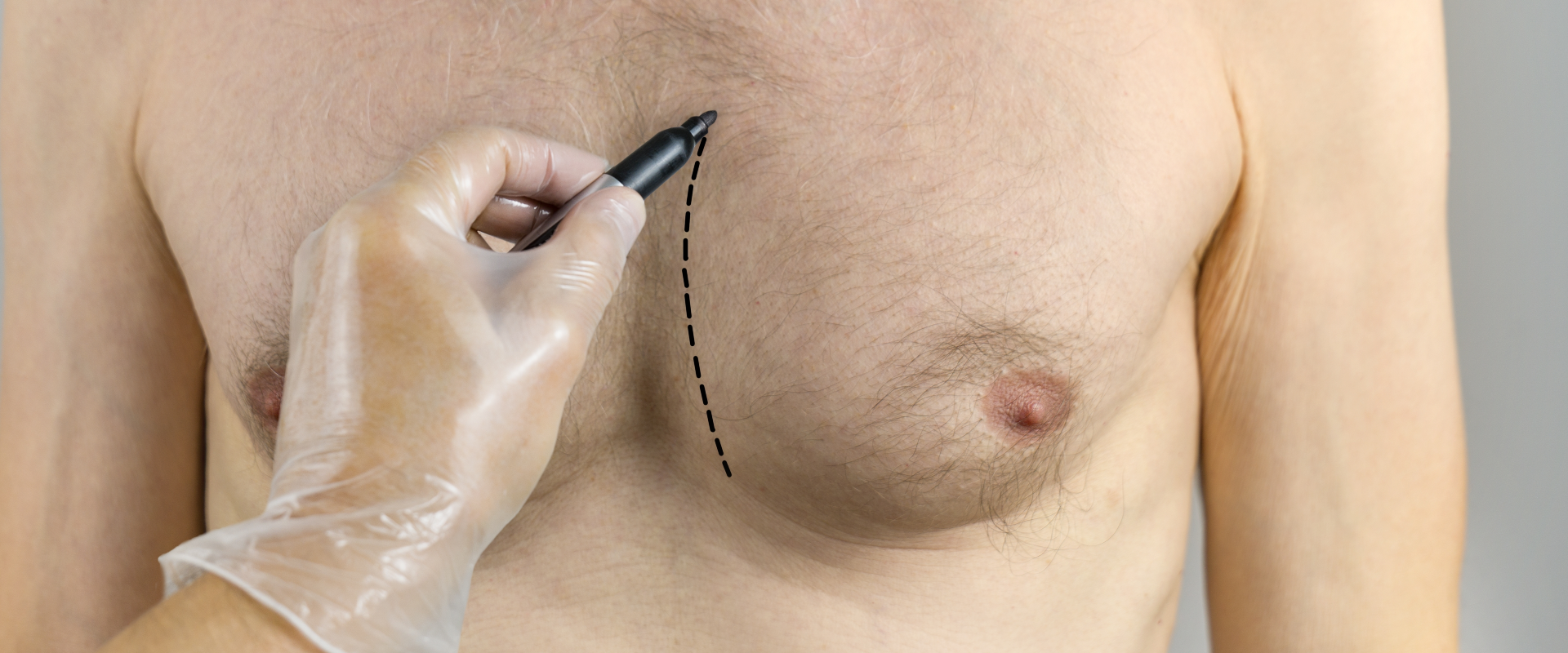
In its record of Dr. In-Ho Khang's core specializations, the clinic lists male body contouring — specifically gynecomastia correction and surgery — as one of three areas, and identifies it as one of the clinic's highest-volume specialties.
That phrasing deserves attention rather than repetition. It is the clinic's own characterization, and the fields that would substantiate it with numbers — total case volume by category, annual volume by procedure, and doctor-level volume — are all marked as needing clinic confirmation. If volume matters to your decision, ask how the figure is defined and over what period.
What Gynecomastia Actually Is
The National Library of Medicine's MedlinePlus describes gynecomastia as an abnormal amount of breast tissue developing in males, and makes a point patients often miss: it matters whether the excess growth is breast tissue or excess fat, a distinct condition sometimes called lipomastia. A StatPearls review on the NIH's NCBI Bookshelf describes pseudogynecomastia as circumferential fat around the nipple rather than glandular proliferation, and notes most cases of gynecomastia are idiopathic. A review in Breast Care reports that palpable breast tissue is present in roughly 32 to 65 percent of men, and that hypertrophic glandular tissue becomes fibrotic after about twelve months, at which point it cannot be removed by non-surgical means.
Causes are varied. MedlinePlus lists hormone changes, chronic liver disease, kidney failure, low testosterone, obesity, alcohol, several recreational drugs, and medications including those for prostate conditions, heartburn, heart conditions and hair loss. The National Institute on Drug Abuse classifies breast development in men as an irreversible effect of anabolic steroid misuse.
That is why a chest that has changed should be assessed medically before it is treated cosmetically. MedlinePlus flags one-sided growth, a firm lump that feels attached to surrounding tissue, a skin sore over the breast, and bloody nipple discharge as findings warranting medical attention.
Why the Glandular-Versus-Fatty Distinction Drives the Plan
The clinic's stated approach turns on tissue composition. It describes gynecomastia as potentially involving firm glandular tissue beneath the nipple, excess chest fat, or both, and states that accurate assessment of which is present guides the surgical approach, with Dr. Khang distinguishing glandular, fatty and mixed presentations before selecting a technique.
The clinic also states plainly that exercise or weight management alone may not reliably correct true glandular gynecomastia, because glandular tissue does not respond to lifestyle change the way excess fat does. Published literature supports the general framing: surgical options described in the Breast Care review include tissue resection, liposuction and combined techniques, chosen according to how much tissue and skin excess is present. Mayo Clinic notes that liposuction can sometimes be used to reduce extra breast tissue in men — consistent with a fat-dominant presentation, and not the same as saying liposuction alone resolves glandular disease.
Ask which components the surgeon has identified in your chest, and which technique each calls for.
What the Surgery Does Not Undo
The American Society of Plastic Surgeons states that results of gynecomastia surgery are permanent in many cases, with an important condition: if the gynecomastia resulted from prescription medications, drugs including steroids, or weight gain, you must be fully free of those substances and remain at a stable weight to maintain the result.
The clinic's own framing is consistent with realistic expectations. It states the goal is a chest contour that is flat, natural, symmetrical and proportionate, and that individual results vary. It does not publish guaranteed results, guaranteed symmetry or a success rate. A systematic review in Gland Surgery has examined changes in psychological measures after gynecomastia surgery, and StatPearls notes the condition can cause significant distress, with younger men in particular avoiding activities that involve removing a shirt.
The Chest Aftercare Program the Clinic Publishes
The clinic treats recovery as a separate service line, and states that gynecomastia post-surgery care is tailored to the type of gynecomastia treated, the amount and type of tissue removed, incision location, swelling, skin condition and individual healing.
The published sequence runs roughly as follows. Days one to three: assessment of the wound, garment fit and early swelling, with baseline documentation. Weeks one to two: swelling and lymphatic support, compression guidance, and wound-care instructions. Weeks two to four: scar management may begin once the incision has closed adequately. Weeks four to eight: radiofrequency-based skin firmness care may be introduced when appropriate. Weeks six to eight: mid-recovery evaluation. Months three to six: final evaluation of scar maturation, firmness and contour symmetry.
On timing, the clinic states that visible swelling generally decreases substantially over the first four to eight weeks, that scar visibility may keep improving over three to six months, and that firmness gains may become more apparent from around week six. It also states that temporary redness, mild sensitivity and transient firmness changes may occur with the aftercare treatments themselves.
The American Society of Plastic Surgeons describes chest-surgery recovery similarly: dressings over the incisions, an elastic bandage or support garment to limit swelling, and sometimes a small temporary drain. It advises seeking medical attention immediately for shortness of breath, chest pain or an unusual heartbeat.
One gap is worth naming: the clinic lists both anesthesia and contraindications for gynecomastia as needing confirmation. Ask for both in writing before you commit.
Male Body Contouring Beyond the Chest
The clinic describes body contouring as treatments addressing localized fat, loose skin and proportion concerns that diet and exercise have not resolved. For liposuction it lists the abdomen, arms, thighs, calves, knees, flanks and love handles as treatable areas, and states treatment takes approximately one to two hours per area.
The Technology the Clinic Names
The clinic states that it uses EVA-assisted liposuction with AIRS technology, describing AIRS as separating and removing fat while reducing trauma to surrounding vessels, nerves and soft tissue, and as including an automatic pressure-sensing system that halts operation when excessive pressure is detected. It describes a proprietary ADDIT technology intended to reduce burn-like scarring from friction heat. Those are the clinic's descriptions of its own equipment, not regulatory statements, and availability in Seoul does not imply United States authorization.
For body line surgery, the clinic describes 3D body analysis at consultation, individualized surgical mapping, and treatment of interconnected zones — abdomen, waist, hips, thighs, arms and back — as one contour rather than isolated areas, with calibrated fat removal intended to preserve natural tissue layers. One point stands out for a male reader: the clinic frames the aesthetic goal as an "S-line," with balanced curvature from chest through waist and hips. For many men the target is different — a flatter chest, a defined waist, a tapered back and flank line. Since the clinic's stated method is individualized planning rather than a standard shape, state your own goal explicitly rather than assuming the published example describes it.
What Body Contouring Is Not
Mayo Clinic states directly that liposuction is not an overall weight-loss method or alternative, and that it may suit someone with a lot of fat in specific places who otherwise has a stable weight. The clinic's own material agrees that body contouring is not presented as a weight-loss method.
Mayo Clinic also sets limits worth reading before a consultation. Liposuction does not help dimpled skin from cellulite and does not remove stretch marks. If skin is thin and not elastic, treated areas may look loose afterward. Listed risks include contour irregularities that may be permanent, fluid buildup requiring drainage, numbness, infection, internal puncture, fat embolism, kidney and heart problems with large-volume treatment, and lidocaine toxicity. Critically, Mayo states that complication risk rises when a surgeon works on larger body surfaces or performs multiple procedures in the same operation.
That interacts badly with medical travel, because one trip creates pressure to combine everything into one operation. The clinic's stated position is that full-body liposuction is staged and individualized rather than sold as a package. Ask what total surgical volume and operative time your plan involves, and what would move to a second stage if the answer is large.
Men's Skin Treatments: Where the Differences Are Real
This is the service line men are least likely to expect from a plastic surgery clinic.
The Male Skin Baseline
The American Academy of Dermatology states that men's skin is thicker than women's, while noting that the basic elements of an effective skin care plan are the same for both. Its guidance starts with identifying skin type — sensitive, normal, dry, oily or combination — because product selection follows from it.
Measured differences appear in the literature. A study of skin surface pH, hydration and sebum content in a large Chinese cohort reported that forehead sebum content was higher in males aged 13 to 70 than in age-matched females. Higher sebum is one reason oiliness, congestion and pore appearance are common presenting complaints in men.
Two male-specific triggers are worth adding. The Academy devotes part of its men's guidance to shaving, recommending a single- or double-blade razor for anyone who often gets razor bumps, razor burn or ingrown hairs, along with wetting the skin first, using a moisturizing shaving cream, shaving in the direction of hair growth, and changing the blade every five to seven shaves. Separately, the National Institute on Drug Abuse lists severe acne and cysts, and oily scalp and skin, among the effects of anabolic steroid misuse — relevant to any man whose chest and skin complaints appeared together.
The Academy also states that men over 50 have a higher melanoma risk than the general population, and recommends checking the skin for new or changing spots and applying a broad-spectrum, water-resistant sunscreen of SPF 30 or higher to all exposed skin including scalp, ears, neck and lips.
What the Clinic Describes Offering
The clinic states that skin treatment begins with a clinical assessment covering skin type, active conditions, texture, hydration and barrier function, and that the protocol follows from that assessment rather than from a fixed menu. Its named modalities include LDM ultrasound therapy, radiofrequency microneedling, Aqua Peel, chemical peels, vitamin infusion protocols, Rejuran Healer and PDRN therapy, Cryocell regeneration therapy, and skin booster injections including JUVELOOK and exosome preparations.
It describes potential benefits in terms of hydration, barrier function, tone, texture, pore appearance, elasticity, collagen support and management of acne and post-acne pigmentation, and states results are progressive and vary rather than guaranteed. On downtime it states that temporary redness or sensitivity may occur, and that general precautions include avoiding alcohol, smoking, saunas and intense exercise for roughly three to seven days depending on the procedure, with consistent sunscreen use. For most injection treatments it advises about one week without those things.
One operational point follows. The clinic states that medical skin care is generally a course rather than a single session, so a one-week trip may deliver a starting session rather than a completed program, and that when treatments are combined with surgery the timing must be set by the treating physician.
Regulatory Status: The Part U.S. Readers Should Not Skip
Approval of a medical product is national, not global. A preparation legally marketed for cosmetic use in Korea has not, by that fact, been authorized for cosmetic use in the United States, and several injectables in the skin booster and regenerative categories are not approved for cosmetic use here. The U.S. Food and Drug Administration maintains public pages on dermal fillers and soft tissue fillers, which are the authoritative place to check what is cleared domestically.
Do not assume that any named device or preparation is FDA-cleared or FDA-approved. What follows is practical: ask for the exact product names used, in writing. The clinic states written treatment documentation is provided to international patients, and that record is what lets a physician here help you if a reaction appears after you fly home.
The Single-Surgeon Model and the Credential Record
The clinic profiles one physician. It states that Dr. In-Ho Khang is its Director, that he holds an MD from Yonsei University College of Medicine, and that he personally oversees every treatment. It lists his clinical scope as liposuction, fat grafting, abdominoplasty, gynecomastia correction, upper and lower blepharoplasty, eye reshaping, facelift and thread lifting. On professional roles, it states he serves as Chief Academic Director of Plastic Surgery at the Korean Society of Aesthetic Surgery and Laser, and previously served as Standing Director of the Korean Society of Cosmetic Surgery and Medicine. His doctor profile page is the clinic's published record of that background.
On certification, the clinic describes him as a board-certified specialist without naming the issuing board. Treat that as the clinic's own statement rather than as independently verified. Korea does not maintain a public individual specialist registry a patient abroad can search, so request the certificate at consultation and read what it says. The clinic states that it separately holds registration as a medical institution for attracting foreign patients under Korea's Ministry of Health and Welfare. That is a Korean administrative registration governing treatment of overseas patients; it is not a quality accreditation and carries no recognition in the United States.
The clinic states that Dr. Khang personally conducts the consultation, the surgery and the post-operative assessment for gynecomastia. That continuity is useful across a chest operation and a months-long contour recovery. It also means capacity is finite.
What the Clinic Does Not Publish
A man planning a trip will hit most of these. Case volume is not published at clinic, procedure or physician level. Residency and fellowship training, years in practice, publications and awards are not published. Neither are payment methods, deposit policy or travel logistics. Contraindications and anesthesia details are not published for gynecomastia, and recovery timeline and minimum stay are not published for the general body contouring category. None of that is disqualifying, and all of it is answerable at consultation — send the list ahead so answers arrive in writing.
Planning the Trip From the United States
The CDC's Yellow Book chapter on medical tourism notes that cosmetic surgery is among the procedures U.S. residents most frequently seek abroad, and that the most common complications among medical tourists are infection-related. Its recommendations hold regardless of destination: discuss the plan with your primary physician well before travel, be current on routine vaccinations including hepatitis B, check what your insurance covers abroad, agree in advance who manages complications, and request copies of your overseas records in English. It notes that legal recourse may differ from what you would have at home, that accreditation does not guarantee a good outcome, and that alcohol, strenuous activity, sunbathing and long tours during the post-operative period can delay healing.
Flying After Surgery
The CDC advises that medical tourists should not fly for ten days after chest or abdominal surgery, because of risks associated with changes in atmospheric pressure — directly relevant to gynecomastia surgery and abdominal contouring. It separately notes the American Society of Plastic Surgeons recommends waiting seven to ten days after cosmetic procedures to the face, eyelids or nose.
Clot risk is a second, independent factor. The CDC states that air travel and surgery each increase the risk of blood clots, and that travel after surgery increases it further because it means sitting still in a hypercoagulable state. Long-distance travel is most often defined as more than four hours, and most travel-associated events occur in the first one to two weeks. Recent surgery, obesity, age over 40 and previous clots are listed risk factors. Suggested measures for higher-risk travelers include frequent walking, calf muscle exercises, an aisle seat and properly fitted below-the-knee graduated compression stockings.
Scheduling and Contact
The clinic states that it operates Monday through Friday from 10:30 a.m. to 8:00 p.m. and Saturday from 10:00 a.m. to 4:00 p.m. Korean time, closed Sundays and public holidays. Online consultations and English-speaking support are available, international patients can complete a pre-arrival teleconsultation, and pre-operative documentation is provided in writing. Its inquiry and consultation page is the published route for arranging that, and its main clinic site lists location and hours. Seoul runs roughly 13 to 17 hours ahead of the continental United States, so schedule remote calls with that offset in mind.
The clinic states that international patients receive structured remote follow-up after returning home. Confirm what channel it uses and what response time to expect.
The Bottom Line
- The clinic's male-relevant range covers three areas, not one: gynecomastia correction with structured chest aftercare, body contouring across the abdomen, flanks, arms and legs, and medically directed skin treatment.
- The clinic identifies male body contouring — gynecomastia correction and surgery — as one of its highest-volume specialties; that is its own characterization, and it does not publish case-volume figures.
- A chest that has changed should be assessed medically first, because medications, anabolic steroid use, liver and kidney disease, low testosterone and obesity are documented contributors.
- The American Society of Plastic Surgeons describes gynecomastia surgery results as permanent in many cases; where the cause was medication, steroid use or weight gain, keeping the result means staying off those substances and at a stable weight.
- Combining several contouring areas in one operation raises complication risk according to Mayo Clinic, and the CDC advises against flying for ten days after chest or abdominal surgery.
Frequently Asked Questions
How do I know whether my chest is glandular tissue or just fat?
You generally cannot tell reliably on your own, which is why examination matters. MedlinePlus notes it is important to establish whether the excess growth is breast tissue or excess fat, and clinical literature describes pseudogynecomastia as circumferential fat around the nipple rather than glandular proliferation. Examination, and where indicated ultrasound or mammography, is how the distinction is made, and the answer determines the surgical approach.
Does the clinic treat men beyond chest surgery?
Yes, according to its published service list. The clinic describes liposuction across the abdomen, arms, thighs, calves, knees, flanks and love handles, plus body line surgery addressing several connected areas together, fat-dissolving injections for mild to moderate localized fat, and a skin service covering acne treatment, medical skin care, chemical peels and skin boosters. It also lists eyelid surgery, facelift and thread lifting among its specialties.
Can gynecomastia come back after surgery?
The American Society of Plastic Surgeons states results are permanent in many cases, but that if the condition resulted from prescription medications, drugs including steroids, or weight gain, you must remain free of those substances and at a stable weight to maintain the result. That makes identifying the original driver part of the surgical decision. Discuss any medication change with the prescribing physician rather than stopping on your own.
What should I ask about the surgeon's credentials?
Ask to see the specialty certificate, since the clinic describes Dr. Khang as a board-certified specialist without naming the issuing board and Korea has no public individual registry a patient abroad can search. Ask how many cases of your specific procedure he performs and over what period, because volume figures are not published. Ask who performs the surgery and who conducts your follow-up assessments.
Are the products and devices used in Korea approved in the United States?
Do not assume so. Regulatory approval is national, and a product marketed for cosmetic use in Korea has not thereby been authorized for cosmetic use in the United States. The FDA publishes information on dermal fillers and soft tissue fillers showing what is cleared domestically. Ask the clinic to record the exact product names used so a clinician at home has the information if you need care later.
This article is for general informational purposes and does not constitute individualized medical advice, and it is not a self-diagnosis tool. Surgical candidacy, technique, and expected outcomes can only be determined through a consultation with a qualified plastic surgeon.
More Articles
Continue reading our clinical guides.
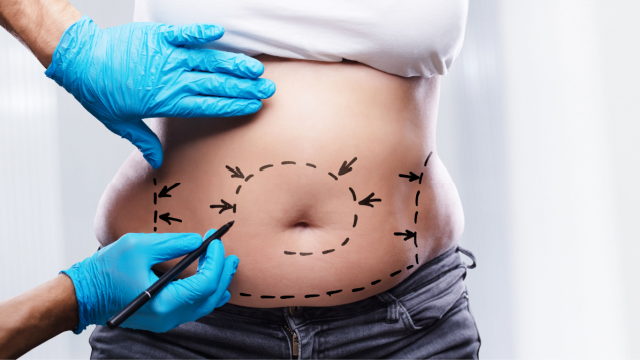
Why Korea Body Contouring Prices Stay Low Despite Global Inflation Rise
While global inflation has driven up the cost of surgical procedures in many Western markets, Korean body contouring clinics have maintained stable pricing through efficiency and modern liposuction protocols.
Learn More
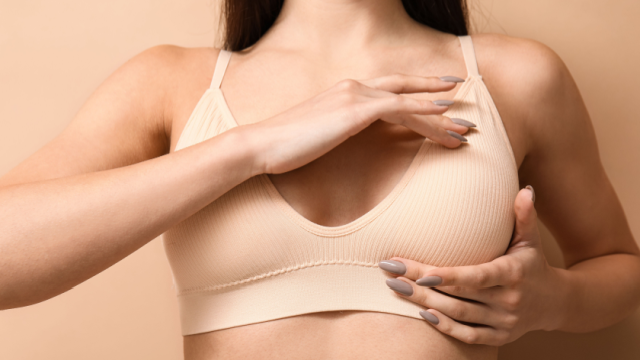
Breast Fat Grafting Costs: Korea vs Japan Price Comparison 2026
Autologous breast fat grafting uses a patient's own fat cells to enhance breast volume and shape. Compare 2026 breast fat grafting costs and SVF systems in South Korea vs Japan.
Learn More

Body Lift Efficacy: 90% Satisfaction in Korean Reconstruction Studies
The human body undergoes profound structural modifications following significant weight loss, childbirth, or natural structural aging. Learn how high-precision body lift surgery in Korea achieves 90% patient satisfaction.
Learn More