Personalized Plastic Surgery & Aesthetic Care in Seocho-gu, Seoul

Medical Guide
Is a Facelift Right for Me? A Candidacy Checklist
A decision checklist for facelift candidacy: which findings the surgery addresses, which concerns are mismatched to it, and what to bring to a consultation.
Schedule a ConsultationIs a Facelift Right for Me? A Candidacy Checklist
Medically reviewed by Dr. In-Ho Khang, MD, Yonsei University College of Medicine; Chief Academic Director of Plastic Surgery, Korean Society of Aesthetic Surgery & Laser (KSASL)
"Is a facelift right for me?" is a question about matching, not about qualifying. The operation does a narrow set of mechanical things to a narrow set of anatomical findings, and many of the complaints that send people searching for it belong to a different procedure. What follows is a checklist: what the surgery addresses, what it does not, which health and history details change the answer, and what to carry into a consultation.
What Does a Facelift Actually Change?
The American Society of Plastic Surgeons describes a facelift, or rhytidectomy, as surgery that improves visible signs of aging in the face and neck. The society lists what it targets: relaxation of facial skin that produces sagging, deepening of the fold lines between the nose and the corner of the mouth, fat that has fallen or disappeared, jowls in the cheeks and jaw, and loose skin and excess neck fat.
YONSEI LEEDS CLINIC describes its own anti-aging surgery in compatible terms, stating that the approach focuses on repositioning the tissues beneath the skin and redraping excess skin rather than treating the surface alone, with a range running from a mini facelift through SMAS-based and deep plane techniques.
Two limits are worth fixing in mind first, because nearly every mismatch below follows from them. This is restorative surgery: the society states that a facelift does not change your fundamental appearance and cannot stop the aging process, and the clinic states that its results are designed to be durable but are not permanent because natural aging continues.
The second limit is categorical. The society states that a facelift can only be achieved surgically, that minimally invasive treatments cannot achieve the same result, and — the more useful half of that sentence — that such treatments may delay the point at which a facelift becomes appropriate and may complement the result once surgery has been done. That is a statement about sequence, not a ranking.
Which Findings Does the Operation Address?
Begin with what is on your face rather than what bothers you in photographs. These are the findings a surgical plan is built around.
- Jowling. Soft tissue hanging at or past the jaw border, interrupting the line of the jaw.
- Cheek and mid-face descent. Fullness that used to sit over the cheekbone now sitting lower, often deepening the fold from the nose to the corner of the mouth.
- Loss of a defined jawline. The boundary between face and neck reading as a slope rather than an edge.
- Neck laxity and banding. Loose neck skin, and vertical cords that stand out when you tense or speak.
- Skin that no longer recoils. Skin that, lifted gently and released, settles back slowly rather than snapping back.
The clinic's published criteria map onto this list. It describes suitable patients for anti-aging surgery as those with noticeable age-related structural changes such as early jowling, cheek or mid-face descent, neck laxity or banding, heavy or sagging eyelids, or substantial lower-face changes. It adds two criteria that are not anatomical: patients seeking durable, natural-looking correction, and patients who have tried non-surgical treatment without a satisfactory result.
The neck often decides the plan. The plastic surgeons' society describes a neck lift as addressing jowls, excess fatty deposits beneath the chin, loose neck skin, and neck muscle banding. It also describes a specific patient: someone whose upper face still looks the way they want it to but whose neck has changed. Where that mismatch exists, a neck lift may be the better-fitted operation.
Which Concerns Are Mismatched to a Facelift?
This is the half of the checklist most discussions skip. If your main complaint is below, a facelift is unlikely to answer it, and something else probably will.
Hollowing and lost volume
If what you see is flatness under the eye, at the temple or in the medial cheek, the problem is missing fullness rather than displaced tissue, and repositioning what remains does not replace what is gone. The American Academy of Dermatology describes fillers as replacing lost fullness, with durations that differ by material: roughly four to twelve months for hyaluronic acid, and one to three years for poly-L-lactic acid or transferred fat. The clinic lists fat grafting among its facial surgery services and describes it as combined with a lift when appropriate rather than as a substitute for one.
Surface quality: texture, fine lines and pigment
Tightening deeper tissue does nothing for the quality of the skin covering it. The dermatology academy describes laser resurfacing as reducing fine lines, wrinkles and dark spots such as age spots, with roughly five to seven days of downtime and a risk of scarring. The plastic surgeons' society lists intense pulsed light, dermabrasion, peels and laser among treatments offered to improve skin quality alongside a lift.
Lines that appear only when you move
Creases that deepen when you frown or smile and soften at rest are produced by muscle activity, not by loose skin. The dermatology academy describes botulinum toxin therapy as relaxing certain facial muscles, with results appearing within three to seven days and lasting about three to four months, and lists frown lines between the eyebrows and crow's feet among its approved uses.
Hooded upper lids, under-eye bags and heavy brows
The American Academy of Ophthalmology separates two problems that look similar in the mirror. Ptosis is drooping of the upper lid produced by the eyelid muscle and can narrow peripheral or central vision; surgery for it shortens or strengthens that muscle. Excess eyelid skin is a different finding, and blepharoplasty removes it, sometimes with fatty tissue or with tightening of underlying muscle.
A third possibility sits above both. The plastic surgeons' society describes a brow lift as raising sagging brows that are hooding the upper eyelids, and as reducing horizontal forehead lines and the vertical creases between the eyebrows. Which of the three is responsible changes the operation, and that is decided by examination. The clinic states that anti-aging eye surgery may be incorporated into a facial plan when appropriate.
A small amount of looseness
Where laxity is mild, surgery may be more than the finding warrants. The dermatology academy describes non-invasive tightening with ultrasound, radiofrequency or laser as heating deeper tissue to stimulate collagen, and names a small amount of sagging skin among the factors that make someone a reasonable candidate for it. It poses the reverse question too — whether there is a lot of sagging skin — and states that tightening may not help in that case. That threshold is measured on your face, not in an article.
Does Your Age Decide This?
No. Notice what the published candidacy criteria contain and what they omit. The plastic surgeons' society lists good facelift candidates as healthy people without medical conditions that impair healing, nonsmokers, and individuals with a positive outlook and realistic expectations. There is no age in that list. The clinic's criteria state that suitability is determined after assessment of anatomy, skin laxity, volume loss, overall health, lifestyle and expectations — again, no number. Any age figure in general educational material describes who typically presents, not a rule about you.
Have You Already Tried Non-Surgical Lifting, and What Did It Tell You?
Many people arrive here after a course of energy-based treatment, and that history is informative — but only if reported precisely. The clinic names patients who have tried non-surgical treatments without satisfactory results among those for whom surgery may be suitable.
The detail matters because an incomplete course can be mistaken for a failed one. The dermatology academy describes the results of non-invasive tightening as appearing gradually over two to six months, states that radiofrequency results can last two to three years with good skin care, and notes that non-ablative laser treatment may require three to five sessions. A single session judged six weeks later has been judged before it finished.
So bring specifics: which treatment, how many sessions, how long ago, what changed, and how long it held. Mayo Clinic states that the consultation covers prior cosmetic treatments including fillers and botulinum toxin, so injectable history belongs in the note too.
Which Health Conditions Change the Answer?
Some answers here are firm, and they come from general surgical medicine rather than from any one clinic.
Mayo Clinic states that a condition preventing the blood from clotting is a bar to having a facelift. It identifies poorly controlled diabetes and poorly controlled high blood pressure as raising the risk of poor wound healing, bleeding under the skin and cardiac complications, and states that smoking greatly raises the risk of poor wound healing, bleeding beneath the skin and loss of facial skin. It notes that a history of repeated weight gain and loss changes facial shape and skin quality, so the result may disappoint over time, and that hormone replacement therapy raises the risk of blood clots and may need to be paused before surgery.
Smoking deserves its own line because it is the factor on that list you can change. The CDC states that quitting has health benefits at any age regardless of how long or how much a person has smoked, and that counseling and medication are effective treatments for quitting.
The complication list is why all of this is asked. The plastic surgeons' society lists anesthesia risks, bleeding, infection, fluid collection, poor wound healing and skin loss, injury to the facial nerve with weakness, changes in skin sensation, persistent pain, prolonged swelling, deep vein thrombosis and cardiac or pulmonary complications, alongside cosmetic risks including unfavorable scarring, asymmetry and hair loss at the incisions. The clinic names swelling, bruising, temporary numbness and tightness as expected effects and identifies scarring, asymmetry and the possibility of revision among the risks it discusses. It states that patients may not be suitable when health status presents an unacceptable surgical risk, when expectations are unrealistic, or when a non-surgical treatment is more appropriate.
Which Medications and Supplements Matter?
Write the list down before you go. Mayo Clinic names blood-thinning drugs and supplements that raise the risk of bleeding beneath the skin — warfarin, clopidogrel, aspirin and ibuprofen among medications, and ginseng, ginkgo biloba and fish oil among supplements — and notes that a surgeon may ask for these to be stopped around three weeks beforehand. The plastic surgeons' society also advises avoiding aspirin, anti-inflammatory drugs and herbal supplements because they can increase bleeding and bruising, and notes that lab testing or a medical evaluation may be required first.
Products bought without a prescription still count. And none of this is an instruction to stop a prescribed medication on your own — list everything, then let the surgeon and your own physician decide what pauses.
Are Your Expectations in the Right Place?
The plastic surgeons' society puts this first rather than last, stating that facelift surgery is highly individualized and that you should do it for yourself rather than to fulfill someone else's wishes or to fit an ideal image. Three specifics follow from that. There is no guarantee: the society states that good results are expected but cannot be promised, and that optimal results may not be achievable in a single operation. Recovery is measured in weeks and months: the society states that most people are presentable to the public within ten to fourteen days, and that it takes two to three months for the face to feel normal again in texture, sensation and loss of tightness. The clinic's figures are compatible, describing swelling and bruising during the first one to two weeks and most patients becoming socially presentable within roughly two to three weeks. And the result needs maintenance, with daily sun protection and a healthy lifestyle helping to extend it.
The clinic frames the goal in terms of identity rather than transformation, stating that outcomes vary with anatomy, degree of aging, skin quality, healing and the procedures performed.
Is This the Right Moment?
Candidacy has a timing component separate from anatomy. Weight stability belongs here, given Mayo Clinic's point that repeated gain and loss changes facial shape and skin quality. If your weight is in the middle of a deliberate change, the face you operate on is not the face you will keep.
So does practical support. The plastic surgeons' society states that you will need someone to drive you to and from surgery and to stay with you the first night. Traveling for the procedure does not remove that requirement; it turns it into something to arrange ahead.
Finally, the extent of the plan changes the calendar. A plan that addresses more than one area is a longer recovery as well as a longer operation, so the number of nights it implies in Seoul, and how far after surgery a return flight should be set, are questions to put to the clinic before booking travel.
What Should You Bring to the Consultation?
A consultation gives a general answer when it receives general information. Prepare:
- A written medical and surgical history, including prior facial procedures of any kind.
- A complete medication list — prescription, over-the-counter, vitamin and herbal, as both Mayo Clinic and the plastic surgeons' society request.
- Drug allergies and current medical treatments, which the society lists among the consultation's opening topics.
- An honest account of tobacco, alcohol and drug use, which is a clinical variable rather than a character question.
- Your record of previous cosmetic treatments, with dates and outcomes.
- Your own goals in your own words, including what you would consider a disappointing result.
Expect the surgeon to examine and measure the face, take photographs, assess your general health and risk factors, then discuss options, likely outcomes, risks and the anesthesia to be used. The society publishes a printable question list for this appointment, and its contents are a reasonable floor: ask whether you are a good candidate, which technique is recommended and why, where the procedure will be performed, how long recovery takes and what help you will need, how complications are handled, and what the options are if you are unhappy with the cosmetic outcome.
Ask the clinic to confirm the anesthesia planned for your operation, the recommended length of stay in Seoul, the number of follow-up visits, and how contact works once you are home.
How Does Yonsei Leeds Decide?
The clinic states that its consultation includes assessment of skin laxity, facial volume loss, the underlying facial structures, overall health, lifestyle and treatment goals, and that Dr. In-Ho Khang then determines the appropriate procedure or combination and develops an individualized surgical plan. It states that treatment is selected according to the patient's anatomy and degree of aging rather than by applying one predetermined technique.
Dr. Khang is the clinic's sole physician, and facelift appears in his published specialty list alongside eye reshaping, blepharoplasty and thread lifting. He earned his MD from Yonsei University College of Medicine, and his doctor profile also records his role as Chief Academic Director of Plastic Surgery at the Korean Society of Aesthetic Surgery and Laser. The clinic's published account of his approach runs the same way: anatomy, goals and circumstances differ from one patient to the next, so no single standard plan fits everyone, and patients should be given clear information and allowed to decide without pressure. It states that a pre-arrival teleconsultation is available to review facial concerns, surgical goals and medical history before traveling.
How Do You Check the Surgeon Before You Travel?
Credential checking works differently across borders. The American Board of Medical Specialties describes its system as 24 member boards certifying across 38 specialties, requiring an ongoing license, continued learning, periodic assessment and practice improvement to stay certified, and it offers a public lookup for patients. The plastic surgeons' society states that its members hold certification from the American Board of Plastic Surgery, with a minimum of six years of surgical training after medical school including at least three years of plastic surgery residency, and warns that the American Board of Medical Specialties recognizes no board with "cosmetic surgery" in its name.
That machinery is national, so it will not return a result for a surgeon practicing in Korea, and its silence says nothing. What transfers is the method: name the certifying body, confirm the training behind it, and ask to see the document. The clinic describes Dr. Khang as a board-certified specialist without naming the issuing board — that is the clinic's own statement rather than something independently verified here, and requesting the certificate at consultation is fair. The clinic also holds Korean registration as a medical institution for attracting foreign patients under the Ministry of Health and Welfare; that permits treatment of foreign patients and is not a quality accreditation or a credential recognized in the United States.
Planning the Consultation from the United States
The clinic's main site lists an address in Seocho-gu, Seoul, roughly one minute from Gyodae Station Exit 12, with hours of Monday to Friday 10:30 a.m. to 8:00 p.m. and Saturday 10:00 a.m. to 4:00 p.m. Korean time. Seoul runs roughly 13 to 17 hours ahead of the continental United States, so a late-afternoon appointment there falls in the previous night at home. The clinic states that the in-person consultation is a paid appointment, that English-speaking support is available, and that remote post-operative follow-up continues after patients return home. Its inquiry page is the published route for arranging a teleconsultation or a visit.
On return travel, the clinic states that flight timing should be determined after considering the type and extent of surgery, healing progress, post-operative findings and flight duration — so set the return date after surgery, not before.
The Bottom Line
- A facelift repositions descended tissue and removes surplus skin. If your main complaint is hollowing, surface quality, expression lines, eyelid skin or brow position, the matching procedure is a different one.
- The plastic surgeons' society's candidacy criteria contain no age: healthy, nonsmoking, realistic expectations. The clinic's criteria likewise turn on anatomy, skin laxity, volume loss, health, lifestyle and expectations.
- Some health findings are decisive. Mayo Clinic identifies a clotting disorder as a bar, and names poorly controlled diabetes, poorly controlled high blood pressure, smoking and repeated weight change as factors that raise risk or shorten the result.
- A completed course of non-surgical tightening that produced a small, real change is useful evidence; a single session judged after six weeks is not, since the dermatology academy describes those results as developing over two to six months.
- Bring a written history, a complete medication and supplement list, your record of previous treatments and your own definition of a disappointing result.
Frequently Asked Questions
Am I too young or too old for a facelift?
Neither published criterion set uses age. The American Society of Plastic Surgeons names health, nonsmoking status and realistic expectations, and YONSEI LEEDS CLINIC states that suitability follows assessment of anatomy, skin laxity, volume loss, health, lifestyle and expectations. The operative question is whether there is more loose tissue than tightening can absorb.
My main complaint is hollow cheeks. Will a facelift fix that?
Probably not on its own, because repositioning tissue does not replace tissue that is gone. The American Academy of Dermatology describes fillers as replacing lost fullness, and the clinic lists fat grafting among its facial surgery services, describing it as something combined with a lift when appropriate. A consultation should establish how much of your concern is descent and how much is volume.
I have had HIFU and radiofrequency treatments. Does that make me a surgical candidate?
Not by itself, but the history matters. The clinic names patients who have tried non-surgical treatment without satisfactory results among those for whom surgery may be suitable. Bring the specifics — which treatment, how many sessions, when, and how long any change lasted.
Does smoking rule me out?
The plastic surgeons' society lists nonsmokers among good candidates, and Mayo Clinic states that smoking greatly raises the risk of poor wound healing, bleeding under the skin and loss of facial skin. It is a modifiable factor rather than a permanent exclusion: the CDC states that quitting has health benefits at any age and that counseling and medication are effective.
What makes someone unsuitable at YONSEI LEEDS CLINIC?
The clinic states that patients may not be suitable when their health status presents an unacceptable surgical risk, when their expectations are unrealistic, or when a non-surgical treatment is more appropriate, and that final suitability is determined during consultation. That is why the details above are worth preparing.
How do I verify the surgeon's credentials from the United States?
The American Board of Medical Specialties offers a public lookup, but it covers US certification and will not return a result for a surgeon practicing in Korea. Use the method rather than the database: ask which body issued the certification, what training it required, and to see the document. The clinic describes Dr. Khang as a board-certified specialist without naming the issuing board, so request the certificate.
This article is for general informational purposes and does not constitute individualized medical advice, and it is not a self-diagnosis tool. Surgical candidacy, technique, and expected outcomes can only be determined through a consultation with a qualified plastic surgeon.
More Articles
Continue reading our clinical guides.
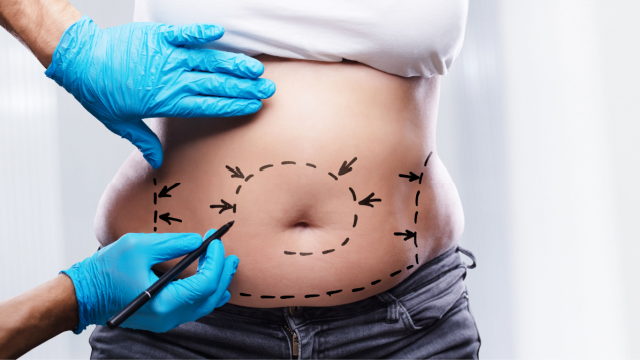
Why Korea Body Contouring Prices Stay Low Despite Global Inflation Rise
While global inflation has driven up the cost of surgical procedures in many Western markets, Korean body contouring clinics have maintained stable pricing through efficiency and modern liposuction protocols.
Learn More
Breast Fat Grafting Costs: Korea vs Japan Price Comparison 2026
Autologous breast fat grafting uses a patient's own fat cells to enhance breast volume and shape. Compare 2026 breast fat grafting costs and SVF systems in South Korea vs Japan.
Learn More
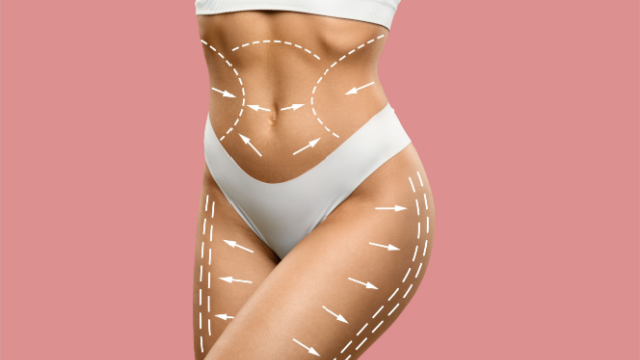
Body Lift Efficacy: 90% Satisfaction in Korean Reconstruction Studies
The human body undergoes profound structural modifications following significant weight loss, childbirth, or natural structural aging. Learn how high-precision body lift surgery in Korea achieves 90% patient satisfaction.
Learn More