Personalized Plastic Surgery & Aesthetic Care in Seocho-gu, Seoul


Medical Guide
Combining Aesthetic Treatments in Korea: What Can Be Paired and When Timing Matters
Can you combine Ultherapy, Shurink, Rejuran, Potenza or Botox in Korea? What combinations do, why timing matters, and how a clinic sequences them.
Schedule a ConsultationCombining Aesthetic Treatments in Korea: What Can Be Paired and When Timing Matters
Medically reviewed by Dr. In-Ho Khang, MD, Yonsei University College of Medicine; Chief Academic Director of Plastic Surgery, Korean Society of Aesthetic Surgery & Laser (KSASL)
Patients looking up combination skin treatment in Korea rarely need five devices at once; they usually want to know whether two or three complementary steps can sit in one Seoul itinerary. Pairing a deep ultrasound lift with a superficial skin booster or neuromodulator is common practice because each works at a different tissue level. What separates a coherent plan from an over-treated trip is anatomical layering, recovery windows, and knowing which combinations have not been studied together.
YONSEI LEEDS CLINIC in Seoul states that treatment combinations are determined individually by Dr. In-Ho Khang based on clinical assessment, skin condition, and recovery windows. This article sets out what the clinic states about pairing and sequencing, where independent medical agencies urge caution, and what questions belong on paper before a needle or handpiece touches your face.
Why Layering by Tissue Depth Makes Clinical Sense
Skin aging does not live in a single layer. A review in the journal Plastic and Reconstructive Surgery describes nonsurgical facial rejuvenation as targeting different depths: neuromodulators act at the muscle layer to soften dynamic lines, dermal fillers restore volume in fat pads or above bone, energy devices heat the dermis or superficial fibromuscular layer to stimulate tightening, and light resurfacing or injectables address epidermal texture and hydration.
Think of the face as a four-story building rather than one wall:
- Muscle layer: Neuromodulators (botulinum toxin) temporarily relax overactive muscles such as the masseter or forehead.
- Volume compartments: Hyaluronic acid or biostimulatory fillers support structural hollows such as the chin, cheeks, or nasolabial folds.
- Deep dermis and fibromuscular layer: Microfocused ultrasound (such as Ultherapy or Shurink) and monopolar or multipolar radiofrequency target collagen remodeling and early-to-moderate laxity.
- Superficial dermis and epidermis: Chemical peels, pigment lasers, radiofrequency microneedling, and skin boosters (such as Rejuran, hyaluronic acid boosters, or exosomes) address texture, pores, and surface quality.
Combining modalities across different depths avoids hitting the same tissue twice with heat or trauma in one sitting. Combining two modalities in the exact same depth at the same time — or stacking inflammation before a barrier recovers — is where trouble starts.
What YONSEI LEEDS CLINIC States About Combining Treatments
Across its service descriptions, the clinic emphasizes individualized, physician-planned sequencing rather than fixed package menus. Three explicit combination points appear in its published materials:
- Energy devices and injectables: The clinic states that skin tightening modalities (listing Ultherapy Prime, Shurink, Densiti, Onda Lifting, and InMode) may be paired with injectables, skin boosters, or medical skin care when appropriate, with timing determined by the treating physician when procedures carry different recovery profiles.
- Neuromodulator and filler: On its injectables page, the clinic gives one concrete example: masseter Botox combined with chin and jawline filler, sequenced together to support lower-face contour.
- Eyelid surgery: Outside non-surgical care, it notes that double eyelid surgery may be combined with ptosis correction or epicanthoplasty when both crease and lid height or inner-corner anatomy need attention.
On the other hand, the clinic states that patients with active skin infections, certain medical conditions, or contraindications require assessment and may have procedures postponed, and it does not publish preset "one-day full-face" bundle protocols. Everything beyond those examples is marked as needing consultation confirmation.
Where Timing and Order Actually Matter
Even when two treatments are compatible, the sequence changes the safety profile.
Heat first, injectables second (or separated)
If an appointment combines a thermal energy device (ultrasound or radiofrequency) with a dermal filler or botulinum toxin, clinicians generally avoid heating tissue immediately over fresh filler or freshly injected toxin. While clinical consensus papers often sequence energy delivery before injection in the same visit — or separate them by weeks — the U.S. Food and Drug Administration notes a simpler baseline fact: the safe use of dermal fillers in combination with neuromodulators such as Botox, or with other therapies, has not been evaluated in controlled clinical studies. That does not mean clinics never combine them; it means you are relying on physician judgment rather than a large randomized trial.
Peels, lasers, and reactive barriers
A StatPearls review on chemical peels notes that priming the skin beforehand thins the outer layer so acids penetrate further, and that active inflammation or recent isotretinoin use increases complication risk. Layering a medium-depth peel, a fractional laser, and microneedling in a single short trip leaves no room to see how your skin responds to the first stimulus. If a flare occurs, neither you nor your doctor at home can tell which modality caused it.
Radiofrequency microneedling safety notice
The clinic lists Potenza radiofrequency microneedling among its texture and pore options. In October 2025, the FDA issued a safety communication stating it is aware of reports of serious complications from certain uses of radiofrequency microneedling devices in dermatologic and aesthetic procedures — including burns, scarring, fat loss, disfigurement, and nerve damage requiring surgical repair or medical intervention. It advises patients to discuss risks and benefits of all available skin procedures, verify provider training and experience, and ask which exact device is being used.
Exosome formulations
The clinic lists Cell Exosome Therapy among its skin boosters. For readers from the United States, the FDA has stated clearly that there are currently no FDA-approved exosome products, and that exosomes used to treat diseases or conditions in humans are regulated as drugs and biological products requiring premarket review. Approval is national; a product marketed in Korea is not thereby authorized in the United States.
Realistic Timelines for a Short Seoul Visit
Work backward from how long each category takes to settle rather than how much you can fit into one afternoon:
- Botulinum toxin: Typically begins taking effect in 2–3 days, reaches full effect in 1–2 weeks, and (for masseter reduction) develops progressively over several weeks.
- Hyaluronic acid fillers: Visible immediately, continuing to settle over roughly 1–2 weeks.
- Skin boosters: Mild redness, swelling, or injection marks typically resolve in 3–4 days, with texture/hydration changes assessed over weeks.
- Ultrasound or radiofrequency lifting: Collagen remodeling develops gradually over 1–3 months rather than appearing on day one.
- Structured acne or medical skin care: Often designed as 5-, 6-, or 12-week courses, which a short trip cannot complete on site.
If you have 5 to 7 days in Seoul, combining one non-ablative lifting modality with a skin booster — or toxin with conservative filler — leaves time for an early follow-up check before your flight. Stacking three heat- or needle-based procedures on your final day leaves zero margin if swelling, bruising, or a vascular warning sign appears.
What to Confirm Before Booking a Combination Plan
Because the clinic leaves contraindications for several non-surgical lines, exact pricing, and fixed minimum stays as needing consultation confirmation, send these questions before you travel:
- Exact sequence and spacing: Which treatments happen on day one, and which (if any) need days or weeks between them?
- Product and device names in writing: Exact filler brand, volume, toxin units, and energy device model.
- Emergency protocols: For fillers, whether hyaluronidase is stocked on site and what the written vascular-occlusion protocol is.
- Who performs each step: The clinic profiles one physician, Dr. In-Ho Khang (MD, Yonsei University College of Medicine; Chief Academic Director of Plastic Surgery, Korean Society of Aesthetic Surgery & Laser; doctor profile page), and describes him as a board-certified specialist without naming the issuing board. Ask directly who performs each injection and energy pass.
- Follow-up before departure: When the post-procedure check sits relative to your flight, and how remote follow-up works afterward via the inquiry and consultation page.
The Bottom Line
- Combining aesthetic treatments works best when modalities target different tissue depths (muscle, fat/contour, dermis, surface) rather than stacking trauma in one layer.
- YONSEI LEEDS CLINIC pairs energy devices, injectables, and skin care on an individualized basis under Dr. In-Ho Khang, and notes masseter Botox plus chin/jawline filler as one example.
- The FDA states that combining dermal fillers with neuromodulators has not been evaluated in controlled clinical studies, has issued a safety communication on serious complications with certain uses of RF microneedling, and states there are no FDA-approved exosome products.
- Build your schedule backward from recovery windows (3–4 days for booster marks, 1–2 weeks for filler/toxin settling) and never stack major procedures on your departure day.
Frequently Asked Questions
Can I get Ultherapy or Shurink and Rejuran or Botox on the same day?
Clinics often pair ultrasound lifting with skin boosters or neuromodulators in one visit because they target different tissue layers, typically delivering energy before injections. However, the FDA notes that combining fillers with neuromodulators has not been evaluated in controlled clinical studies, and timing depends on your skin sensitivity and the physician's assessment.
Should I get Botox and filler in the same appointment?
Yes, they are frequently paired — for example, masseter Botox with chin or jawline filler — because one relaxes muscle while the other supports contour. Keep in mind that if you fly home within days, neither will have reached its final settled look (roughly 1–2 weeks for both, and longer for masseter bulk reduction).
What should not be combined in one short trip?
Avoid stacking multiple barrier-disrupting or thermal-injury procedures — such as deep chemical peels, ablative lasers, and RF microneedling — in a single short stay, especially if you have reactive or darker skin prone to post-inflammatory hyperpigmentation. Changing one variable at a time makes recovery predictable.
Does YONSEI LEEDS CLINIC offer package deals for combination treatments?
The clinic does not publish preset multi-treatment package prices; its published materials state that combinations and pricing depend on individualized assessment, selected products, areas, and sequencing. Request an itemized written quote after online consultation.
This article is for general informational purposes and does not constitute individualized medical advice, and it is not a self-diagnosis tool. Surgical candidacy, technique, and expected outcomes can only be determined through a consultation with a qualified plastic surgeon.
More Articles
Continue reading our clinical guides.
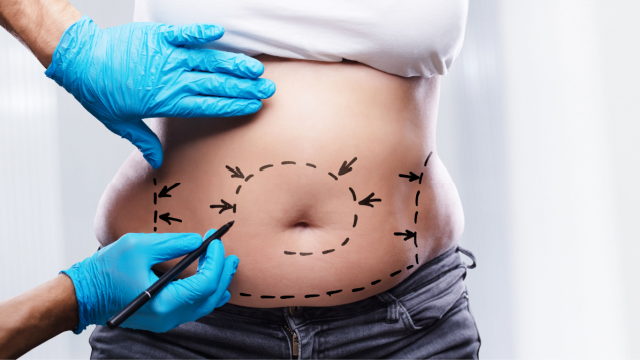
Why Korea Body Contouring Prices Stay Low Despite Global Inflation Rise
While global inflation has driven up the cost of surgical procedures in many Western markets, Korean body contouring clinics have maintained stable pricing through efficiency and modern liposuction protocols.
Learn More
Breast Fat Grafting Costs: Korea vs Japan Price Comparison 2026
Autologous breast fat grafting uses a patient's own fat cells to enhance breast volume and shape. Compare 2026 breast fat grafting costs and SVF systems in South Korea vs Japan.
Learn More
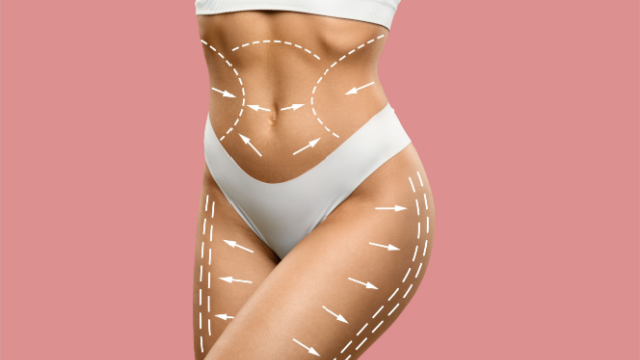
Body Lift Efficacy: 90% Satisfaction in Korean Reconstruction Studies
The human body undergoes profound structural modifications following significant weight loss, childbirth, or natural structural aging. Learn how high-precision body lift surgery in Korea achieves 90% patient satisfaction.
Learn More