Personalized Plastic Surgery & Aesthetic Care in Seocho-gu, Seoul


Medical Guide
Can Fat Grafting Be Combined With Another Procedure?
Combining fat grafting with liposuction or another operation: how anesthesia time, total surgical volume and staging are decided before you book surgery.
Schedule a ConsultationCombining Fat Grafting With Another Procedure: How the Decision Gets Made
Medically reviewed by Dr. In-Ho Khang, MD, Yonsei University College of Medicine; Chief Academic Director of Plastic Surgery, Korean Society of Aesthetic Surgery & Laser (KSASL)
Yes, it is often possible to combine fat grafting with other surgery, and in one sense it already is combined — the fat has to be removed by liposuction before it can be placed anywhere. The real question is not whether two procedures can share an anesthetic but whether yours should, and that turns on operating time, total surgical volume, your health, and how much recovery you can absorb at once. YONSEI LEEDS CLINIC in Seoul states that combination surgery depends on individual anatomy, treatment goals, operative time and safety considerations, and should be determined during a personalized consultation. This article explains what a surgeon weighs when that conversation happens.
Fat Grafting Already Contains a Second Operation
Every autologous fat graft — autologous meaning the tissue comes from you — has three stages. Cleveland Clinic describes them plainly: liposuction removes fat from one area, the fat is purified, and it is injected in tiny droplets into the target area. StatPearls, on the National Library of Medicine's Bookshelf, sets out the same sequence as harvesting, processing and transfer, and names the abdomen, periumbilical area, buttocks and thigh as usual donor sites.
You are therefore not adding liposuction to fat grafting; liposuction is already in the operation, and the clinic describes this as a dual benefit — fat harvested from the abdomen or thighs contours the donor area while adding volume elsewhere. A "combined" plan usually means adding a third element: a second graft site, a facial or eyelid procedure, or a larger liposuction footprint than the graft alone requires. Each addition has its own time cost, its own healing curve, and its own claim on the same anesthetic.
What "Combining" Actually Means on a Surgical Plan
Three arrangements get described with the same word, and they are not equivalent.
The first is a single operation under one anesthetic, with procedures performed in sequence while you remain asleep or sedated. The American Society of Plastic Surgeons notes that a mommy makeover — a package that may bundle liposuction, a tummy tuck and breast surgery — is typically performed as a single-stage procedure. The second is two operations during one trip, days or weeks apart: this keeps you in one city but resets the anesthetic clock. The third is genuine staging across separate trips, the most conservative option and the one that most complicates travel planning.
A fourth is easy to miss. StatPearls notes that when fat is processed by sedimentation, syringes stand upright for around 45 minutes, and another procedure is typically performed while that wait plays out — so some combinations exist partly because surgical time would otherwise be idle.
Anesthesia Time and Total Surgical Volume
Two clocks run during a combined operation, and they are not the same clock.
The first is anesthesia duration. Cleveland Clinic states that fat transfer usually begins with local anesthesia, and that general anesthesia — where you are asleep for the procedure — may be used instead when the treated area is larger or when you are having additional cosmetic surgeries at the same time. Combining does not simply add minutes; it can change the category of anesthesia you receive. Cleveland Clinic puts the range for fat transfer at an hour to more than four hours, with a lip transfer near the short end and breast fat transfer between three and four hours.
The second clock is total surgical volume — how much tissue is disturbed, how much fluid shifts, how much surface area is open. Mayo Clinic states that the risk of complications rises if the surgeon works on larger body surfaces or performs multiple procedures during the same operation, and that where a large amount of fat is removed, or other procedures are done at the same time, the surgery may take place in a hospital rather than a clinic or medical office. The clinic's own material tracks the same logic: liposuction can sometimes be performed alongside other procedures, combining surgeries can increase complexity and may increase the risk of complications, and suitability depends on your health, the treatment areas, operative time and total surgical volume.
None of this means combined surgery is unsafe. It means the safety margin is spent by the combination rather than created by it.
The Combinations That Sit Naturally Together
Some pairings share a donor site, a surgical field or an anesthetic in a way that makes them efficient. Others simply happen to be scheduled on the same day.
On the face
StatPearls lists facial fat grafting as a procedure that can be performed alone or alongside facial rejuvenation surgery, and gives an established example: when submental or neck liposuction accompanies a facelift, that harvested fat can be used for grafting — though it adds that other donor sites tend to yield fat more likely to survive. The clinic states facial procedures may be considered together according to facial structure and goals, with the specific combination settled at consultation.
On the body
The clinic describes facial fat grafting, hip-line fat grafting, or both as options within a combined plan, with fat drawn from the abdomen or thighs. It states hip-line fat grafting takes roughly two to three hours on its own, and that liposuction runs approximately one to two hours per area treated. Hold those figures side by side when a plan starts accumulating areas, because operating time is additive.
On the chest and breast
Breast fat grafting is combined by construction. ASPS describes fat transfer breast augmentation as using liposuction to take fat from elsewhere and inject it into the breasts, and positions it as an option for a relatively small increase in size. The clinic says the same, describing the procedure as inherently pairing donor-area contouring with breast enhancement, performed under general or sedation anesthesia depending on the patient and the scope.
When Staging Is the Safer Call
Staging is not a downgrade. It is a technique. The clinic's own liposuction material makes the point about itself: full-body liposuction for patients with multiple areas of concern is described as carefully staged and individualized to support surgical safety, balanced outcomes and a manageable recovery.
Staging deserves active consideration when the added procedure would push the operation into general anesthesia that would otherwise not be needed; when medical history raises the stakes of a longer anesthetic; when the second site needs the first to settle before it can be judged; or when you would rather not commit to a second graft site before seeing what the first one retains.
Health factors weigh more here than schedule. The clinic states liposuction may need to be postponed for people with conditions that make surgery less safe or healing more difficult, naming significant blood-flow problems, coronary artery disease, diabetes, weakened immunity and unstable health. It states smoking and nicotine use can increase surgical risk and delay healing, and Cleveland Clinic lists not smoking among the characteristics of a good fat transfer candidate.
Combining Does Not Improve How Much Fat Survives
Separate two claims that often travel together: that combining saves you a trip, and that it improves your result. The first can be true. The second is not established.
Fat retention is governed by the graft's ability to establish a blood supply, not by what else happened during the same anesthetic. Cleveland Clinic states that not all fat cells survive, that you may therefore not achieve the volume you want, and that it takes about six months for injected fat cells to develop a new blood supply and for final results to appear. It notes the number of sessions depends on the size of the treated area, and that enhancing the breasts or buttocks may require multiple fat transfer surgeries.
The clinic states the same limitation: not all transferred fat cells survive, final volume may vary, and follow-up exists partly so the team can assess retention and decide whether supplementary treatment is appropriate. Treat a second session as a normal feature of this treatment, and factor it into whether you want to spend your surgical capacity on a wider combination now.
Region-Specific Cautions Worth Raising Yourself
Fat grafting is not one risk profile. It is several, sorted by where the fat goes.
For the breast, ASPS lists cysts, infection, microcalcification, death of fat cells, and the possibility that some transferred fat leaves the breast area. StatPearls adds a point that matters for the rest of your medical life: injected fat may form nodules or calcifications that can later look suspicious on imaging. If breast fat grafting is part of a combined plan, ask how it will be documented so a radiologist reading your mammogram years later knows what they are looking at.
For the face, StatPearls records the rare but severe outcomes — blindness from occlusion of the ophthalmic artery, stroke, and fat embolism — and describes the technique intended to reduce them, including delivering fat on withdrawal in small parcels rather than under pressure.
For the buttock region, a joint statement from the American Society of Plastic Surgeons, The Aesthetic Society, the Aesthetic Surgery Education and Research Foundation and The Plastic Surgery Foundation states that gluteal fat grafting carries significant risk compared with other elective aesthetic procedures, and supports requirements that fat be injected only into the subcutaneous space above the gluteal fascia, with real-time ultrasound keeping the cannula in a safe plane. The clinic describes hip-line fat grafting rather than buttock augmentation, and those are different anatomical targets — but if any part of your plan involves the buttock, the plane of injection is a fair question. That statement adds a line applying to every reader here: surgeons treating patients at a distance need pre- and postoperative protocols and should be available to manage complications.
How Combining Changes the Recovery Arc
Two surgical sites produce two healing timelines that overlap without merging.
Cleveland Clinic notes that side effects after fat transfer are common in both the donor area and the treated area — bruising, swelling, tenderness — and that a compression garment may be needed. It states some people return to work and regular activity after a week while others need two weeks or more, and that swelling can take several weeks to subside. StatPearls describes a compression garment for two to three days after facial grafting, avoiding vigorous activity for two to three weeks, and avoiding early massage of grafted areas because pressure can move transferred fat.
Add a second graft site or a third procedure and you do not get one recovery; you get the union of several, governed by whichever is slowest. Mayo Clinic's liposuction guidance describes waiting a few days before returning to work, a few weeks before usual activities including exercise, and weeks to months for swelling to settle. For breast fat grafting the clinic publishes a more specific pathway: roughly one to two hours in recovery before same-day discharge, stitches removed within seven to ten days, and outpatient follow-up for about one to two weeks.
Regenerative Add-Ons and What US Regulators Say About Them
The clinic states a stem cell-enhanced option is available for facial fat grafting, and describes a stem cell fat injection program for breast patients that it presents as combining adipose-derived stem cell lines with the patient's own platelet-rich plasma. If you are reading from the United States, one regulatory point belongs in your notes.
Authorization is national, and a preparation offered lawfully in Korea is not by that fact authorized for cosmetic use in the United States. The FDA's consumer alert on regenerative medicine products states that stem cell products are regulated by the agency and generally require FDA approval, that the only stem cell products currently FDA-approved in the United States are blood-forming stem cells derived from umbilical cord blood, and that there are currently no FDA-approved exosome products. It names products derived from adipose tissue, also known as stromal vascular fraction, among the widely promoted categories consumers should ask questions about.
Nothing here asserts that any preparation used at this or any clinic falls into a particular regulatory class. The practical takeaway is narrower: ask what is being added to your graft, what evidence supports adding it, and get the answer in writing.
What YONSEI LEEDS CLINIC States About Combined Plans
Yonsei Leeds Clinic describes autologous fat grafting as using your own fat to restore volume and improve contour where areas appear hollow, flat or asymmetrical, with facial volumization and hip-line enhancement as its two published applications. Its stated technique includes a specialized fat purification system used to select viable fat cells, a multi-layer facial injection approach intended to produce smooth contours, even distribution for hip-line grafting, and a gentle harvesting technique intended to preserve fat-cell viability.
On combinations, it states that fat grafting delivers a dual benefit when fat is harvested from the abdomen or thighs while being used for facial or hip-line volumization, and that facial grafting, hip-line grafting, or both may be considered within a combined plan. Treatment time, it states, varies with the amount of fat harvested, the areas treated, and whether other procedures are performed at the same time. Dr. Khang's approved statements set the same tone: "A thorough understanding of each patient's anatomy is essential when planning body-contouring procedures."
He is the clinic's only physician, and it states he personally oversees every treatment. His doctor profile page records an MD from Yonsei University College of Medicine and the role of Chief Academic Director of Plastic Surgery at the Korean Society of Aesthetic Surgery and Laser, with liposuction, fat grafting and abdominoplasty in his published specialty list. The clinic describes him as a board-certified specialist without naming the issuing board, so treat that as its own statement rather than as independently verified and ask to see the certificate at consultation; Korea maintains no public individual specialist registry a patient abroad can search. Its Korean registration as a medical institution for attracting foreign patients, held under the Ministry of Health and Welfare, is an administrative registration for treating international patients, not a quality accreditation, and carries no standing in the United States.
What the Clinic Does Not Publish
Several things you would reasonably want before agreeing to a combined operation are absent from the clinic's published material, and naming them is more useful than guessing.
It does not publish an anesthesia protocol for fat grafting, nor who monitors anesthesia, though it states breast fat grafting uses general or sedation anesthesia and liposuction may use local or sedation anesthesia. It does not publish a maximum operating time, a limit on combined procedures per session, case volumes, years in practice, wait times for a surgical date, a minimum stay in Korea, travel or accommodation guidance, payment arrangements, or revision policy specifics. Those are gaps, not answers — and reasonable things to ask for in writing before you book flights.
Planning a Combined Operation From the United States
The clinic's main site lists a Seocho-gu address roughly one minute from Gyodae Station Exit 12, open Monday to Friday from 10:30 a.m. to 8:00 p.m. and Saturday from 10:00 a.m. to 4:00 p.m. Korean time, closed Sundays and public holidays. Seoul runs roughly 13 to 17 hours ahead of the continental United States, so a same-day call is usually a previous-evening call at home. The clinic states English-speaking and online consultations are available, and its inquiry page is the published route for arranging one.
The CDC's medical tourism guidance is where the combination question meets the travel question. It states that air travel and surgery independently raise the risk of blood clots, and that traveling after surgery raises it further because it means sitting for long periods in a state that already favors clotting. It advises against flying for ten days after chest or abdominal surgery because of cabin pressure changes, and reports the American Society of Plastic Surgeons' recommendation to wait seven to ten days after cosmetic procedures to the face, eyelids or nose. Among the guiding principles it reproduces from the American Medical Association is one written for exactly this subject: patients traveling abroad for care should be informed about the potential risks of combining surgical procedures with long flights and vacation activities.
The rest applies whichever way you decide. Discuss the plan with your own physician in advance, agree beforehand how a complication would be handled and by whom, request copies of your records in English, and check what your insurance covers outside the United States.
Questions to Take Into the Consultation
A combined plan is easier to evaluate when the questions are specific. Which procedures are proposed in one session, and in what order? What is the expected total operating time, and what anesthesia does that imply? Would either procedure alone require lighter anesthesia than the two together? Is there a point at which you would stop and stage the rest? How much fat do you expect to harvest, and from where? Who monitors me during the operation and immediately afterward? What follow-up is included, and what happens if a supplementary graft session is advised once I am home?
Ask for the answers in writing.
The Bottom Line
- Fat grafting already includes liposuction, so the real question is what a third element adds — a second graft site, a facial procedure, or a wider liposuction footprint — and what it costs in operating time.
- Combining can change the anesthesia category, not just the duration: Cleveland Clinic notes general anesthesia may be used when the area is larger or additional surgeries are performed at the same time, and Mayo Clinic states complication risk rises with larger surface areas and multiple procedures in one operation.
- The clinic's own material states that combining surgeries can increase complexity and may increase risk, and that suitability depends on health, treatment areas, operative time and total surgical volume.
- Combining does not improve fat survival. Not all transferred fat survives, final volume appears over roughly six months, and a supplementary session is a recognized part of the treatment.
- The clinic publishes no anesthesia protocol for fat grafting, no maximum operating time and no minimum stay in Korea; ask for those in writing before booking travel.
Frequently Asked Questions
Can I combine liposuction and fat grafting in one operation?
They are already one operation, because fat has to be harvested by liposuction before it can be grafted. What varies is how much additional liposuction is performed for contouring beyond what the graft requires. The clinic states fat harvested from the abdomen or thighs can contour the donor area while supplying volume elsewhere, planned individually.
Does combining procedures make surgery more dangerous?
It changes the risk profile rather than automatically making it unsafe. Mayo Clinic states complication risk rises when a surgeon works on larger body surfaces or performs multiple procedures in the same operation, and the clinic's own material says combining surgeries can increase complexity and may increase complications. Whether that added risk is acceptable in your case is a clinical judgment made after examination.
How long does a combined fat grafting operation take?
There is no general answer, and the clinic publishes no maximum. Cleveland Clinic puts fat transfer alone at anywhere from an hour to more than four hours, with breast fat transfer between three and four. The clinic states hip-line fat grafting takes roughly two to three hours and liposuction approximately one to two hours per area, so confirm the expected total at consultation.
Will combining procedures shorten my total recovery?
Sometimes, but less than people expect. You still heal a donor site and every treated site, and the timeline is set by whichever heals slowest. Cleveland Clinic notes some patients return to activity after a week while others need two weeks or more, and that swelling can take several weeks to settle.
When would a surgeon recommend staging instead?
When the combination would require heavier anesthesia than either procedure alone, when medical history raises the stakes of a longer operation, when one site needs to settle before the next can be judged, or when total surgical volume is already substantial. The clinic describes staging full-body liposuction for this reason — to support surgical safety, balanced outcomes and a manageable recovery.
Can fat grafting be combined with a facelift?
It is a recognized pairing. StatPearls notes that when neck or submental liposuction accompanies a facelift, the harvested fat can be used for grafting, while adding that other donor sites tend to yield fat more likely to survive. The clinic states facial procedures may be considered together according to facial structure and goals, with the combination decided at consultation.
How soon can I fly home after a combined procedure?
Only your surgeon can clear you, and the clinic states international patients should obtain that approval before booking a return flight. As general guidance, the CDC advises against flying for ten days after chest or abdominal surgery and reports the plastic surgeons' society recommendation of a seven-to-ten-day wait after cosmetic procedures to the face, eyelids or nose.
This article is for general informational purposes and does not constitute individualized medical advice, and it is not a self-diagnosis tool. Surgical candidacy, technique, and expected outcomes can only be determined through a consultation with a qualified plastic surgeon.
More Articles
Continue reading our clinical guides.
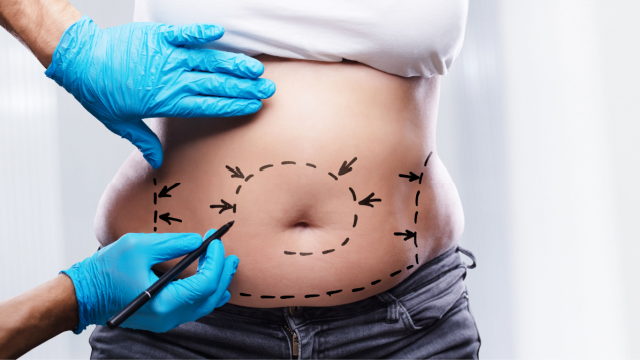
Why Korea Body Contouring Prices Stay Low Despite Global Inflation Rise
While global inflation has driven up the cost of surgical procedures in many Western markets, Korean body contouring clinics have maintained stable pricing through efficiency and modern liposuction protocols.
Learn More
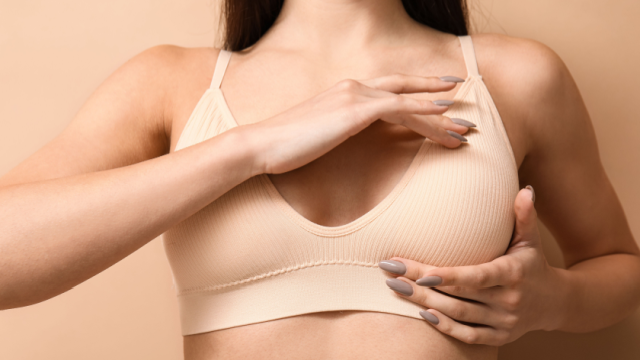
Breast Fat Grafting Costs: Korea vs Japan Price Comparison 2026
Autologous breast fat grafting uses a patient's own fat cells to enhance breast volume and shape. Compare 2026 breast fat grafting costs and SVF systems in South Korea vs Japan.
Learn More
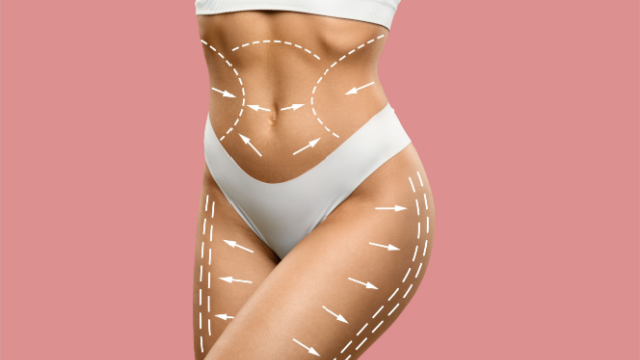
Body Lift Efficacy: 90% Satisfaction in Korean Reconstruction Studies
The human body undergoes profound structural modifications following significant weight loss, childbirth, or natural structural aging. Learn how high-precision body lift surgery in Korea achieves 90% patient satisfaction.
Learn More