Personalized Plastic Surgery & Aesthetic Care in Seocho-gu, Seoul

Medical Guide
Breast Fat Grafting Costs: Korea vs Japan Price Comparison 2026
Autologous breast fat grafting uses a patient's own fat cells to enhance breast volume and shape. Compare 2026 breast fat grafting costs and SVF systems in South Korea vs Japan.
Schedule a ConsultationThe demand for natural-looking cosmetic enhancements has significantly reshaped the global medical tourism landscape. Autologous breast fat grafting, which uses a patient's own fat cells to enhance breast volume and shape, has emerged as a preferred alternative to synthetic silicone implants. According to global cosmetic surgery market reviews, the international fat transfer market continues to grow at a compound annual growth rate (CAGR) of over 8.2%.
A key consideration for patients navigating this landscape is the regional variance in pricing, safety standards, and technological adoption. For individuals exploring choices within East Asia, comparing financial benchmarks and clinical methodologies between leading medical hubs is essential. While South Korea and Japan both offer highly trained medical professionals, differences in institutional infrastructure, medical tourism frameworks, and pricing strategies directly affect overall procedural outlays.
Understanding these differences helps patients make informed decisions. By evaluating certified medical summaries and healthcare data from 2025 and 2026, this article provides a objective comparison of breast fat grafting costs in Korea and Japan, while exploring the advanced systems that drive long-term structural viability at specialized centers like Yonsei Leeds Clinic.
Breast Fat Grafting Costs and Outcomes in Korea vs Japan
When comparing autologous fat transfer for breast augmentation between South Korea and Japan, patients encounter distinct pricing ecosystems. In South Korea, the typical price range for a comprehensive breast fat grafting procedure spans from $3,500 to $7,500 USD, depending on the volume of harvested tissue and the complexity of the processing technique. In Japan, the identical clinical path regularly ranges from $7,000 to $13,500 USD.
The differences in pricing stem from structurally distinct medical models. South Korea benefits from a highly centralized medical infrastructure in Seoul, particularly within the Gangnam healthcare district. This high concentration of specialized surgical clinics drives optimized operational efficiencies, leading to lower per-procedure costs without reducing clinical quality or resource access. Conversely, Japan’s private medical sector operates under a higher overhead structure, with private cosmetic surgeries subject to steeper domestic utility, labor, and local regulatory compliance costs.
What factors influence the total financial layout for breast fat grafting across both nations?
- Number of Donor Extraction Zones: Harvesting fat from multiple anatomical zones (such as both the abdomen and outer thighs) requires additional surgical time and equipment, raising the base price.
- Purification Technologies: Standard centrifugation is less expensive, whereas processing systems integrated with regenerative cell protocols require specialized equipment and lab technician time.
- Surgical Setting and Anesthesia: Fees fluctuate depending on whether the procedure is performed in an outpatient surgical suite or an accredited multi-specialty hospital, alongside the utilization of general anesthesia versus deep conscious sedation.
- Post-Operative Recovery Packages: Comprehensive follow-up protocols, including high-frequency ultrasound swelling management and laser scar care, are frequently bundled into South Korean clinic packages but are often billed separately in Japanese institutions.
Conventional Breast Augmentation: Standard Methods and Survival Limitations
The baseline approach to breast fat grafting historically involves a multi-step mechanical sequence: manual liposuction extraction, standard gravity or centrifugal separation, and multi-layer syringe injection. While this conventional protocol remains widely accessible, it presents distinct clinical challenges related to long-term volume maintenance and tissue integration.
Primary Options and Treatment Challenges
-
Standard Centrifugation and Gravitational Separation: Extracted fat tissue is spun in a standard centrifuge to separate lipids, blood cells, and tumescent fluid from the viable adipocytes (fat cells).
- Pros: Lower up-front procedural equipment costs; widely performed with standardized steps.
- Cons: Higher mechanical stress on cellular membranes; potential breakdown of fragile fat cells before reinjection.
-
Macro-droplet Syringe Injection: Large amounts of harvested fat are introduced into the breast tissue in larger tissue packets.
- Pros: Shorter initial operating room times.
- Cons: Restricted blood supply to the inner core of large fat pools, increasing the risk of early cell loss, palpable oil cysts, or localized calcification.
Key Patient Pain Points
The most notable limitation of conventional autologous transfer is the variable rate of cellular survival. In standard fat grafts, volume retention can fluctuate significantly, often requiring patients to undergo secondary or tertiary touch-up sessions to achieve their target size. Over time, these repeated interventions accumulate additional costs, prolonged recovery cycles, and increased exposure to anesthesia.
Advanced SVF Adipose Purifying Systems
To address the limitations of conventional fat survival, modern clinical protocols utilize Stromal Vascular Fraction (SVF) adipose purifying systems. This high-precision approach integrates advanced tissue processing technologies to isolate a concentrated population of regenerative cells, endothelial cells, and essential growth factors directly from the patient’s harvested fat tissue.
By combining these isolated SVF components with purified fat cells before injection, the surrounding tissue can build an early, supportive blood supply. This cellular framework accelerates angiogenesis (the formation of new blood vessels), ensuring that the newly transferred fat receives immediate oxygen and nutrients. This structural support helps minimize tissue loss and reduces the risk of oil cyst formation.
Is specialized SVF breast fat grafting in Korea worth the higher initial investment?
Yes, from a long-term clinical perspective. While automated SVF tissue isolation involves a higher upfront cost than standard centrifugation, it significantly increases the percentage of retained fat volume. By improving cellular integration during the initial procedure, it lowers the likelihood of requiring secondary operations, making it a more predictable and cost-effective option over time.
Comparative Data: Costs, Cell Survival, and Patient Outcomes
Clinical metrics indicate a clear variance between standard fat grafting techniques and advanced SVF-assisted protocols. While individual metabolic factors and anatomy play a role in long-term volume retention, standardized data from regional health reviews highlight distinct operational differences:
| Metric / Feature | Conventional Fat Grafting Path | Advanced SVF Adipose Purifying Path |
|---|---|---|
| Average Cost Range (Korea) | $3,500 – $5,000 USD | $5,500 – $7,500 USD |
| Average Cost Range (Japan) | $7,000 – $9,500 USD | $10,500 – $13,500 USD |
| Estimated Cell Retention Rate | 40% to 50% retention | 70% to 85% retention |
| Required Treatment Sessions | Often requires 2 to 3 sessions for stable volume | Typically achieves stable results in 1 to 2 sessions |
| Primary Tissue Complication Rate | Moderate risk of structural oil cysts/calcification | Low risk due to precise micro-layering |
| Long-Term Structural Stability | Highly dependent on adjacent tissue pressure | Enhanced through early capillary growth |
Regional Insights: Why South Korea Leads in Precision Autologous Transfer
South Korea's position as a hub for advanced cosmetic and regenerative surgery is supported by local medical infrastructure and patient expectations. Patients seeking care in Seoul expect fast recovery times, minimal disruption to daily routines, and highly reproducible, data-driven results. These expectations have driven local centers to transition away from subjective, manual injection methods toward objective, automated processing technologies.
Furthermore, the domestic regulatory environment in South Korea supports safe innovation in tissue engineering. Tight oversight by the Ministry of Food and Drug Safety ensures that automated tissue processing systems, closed-loop processing kits, and cell isolation equipment meet high safety standards. This strong regulatory framework gives international patients confidence that specialized clinics are utilizing validated, clean-room standards during every stage of tissue handling.
Where Yonsei Leeds Clinic Fits in Breast Fat Grafting in Korea
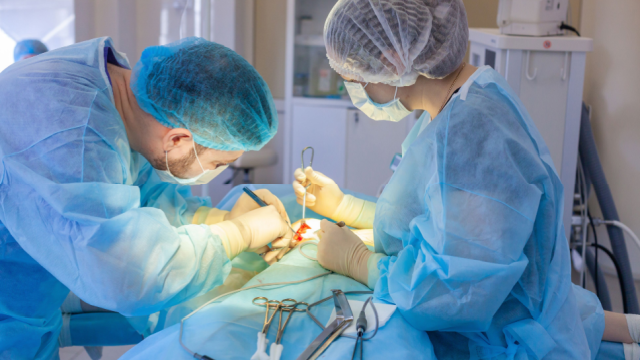
Within the competitive landscape of cosmetic surgery in Seoul, Yonsei Leeds Clinic focuses on autologous breast fat grafting through a commitment to high-precision care and structured safety protocols. The clinic avoids high-volume, assembly-line procedures, choosing instead a patient-centric model where every phase of tissue extraction and transfer is tailored to individual anatomical requirements.
At Yonsei Leeds Clinic, breast fat grafting utilizes advanced SVF adipose purifying protocols to protect cell viability. Tissue extraction is carried out using gentle, manual lipo-aspiration techniques designed to minimize mechanical stress on the donor areas. The harvested fat is processed in a closed-loop system that prevents ambient air exposure, maintaining strict sterility.
The clinical team, comprised of experienced specialist like Dr. In-Ho Khang with extensive backgrounds from Yonsei University's medical systems, uses a precise micro-layer injection technique. Rather than delivering large pools of fat, the tissue is distributed in microscopic layers across multiple anatomical planes. This maximizes contact with the breast's existing blood vessels, enhancing natural tissue integration.
Clinical Quality Note: Every procedure at Yonsei Leeds Clinic includes comprehensive post-operative monitoring. This includes high-resolution ultrasound assessments to track tissue healing and specialized recovery therapies to manage swelling and accelerate return to daily activities.
Conclusion
Autologous breast fat grafting provides a natural, implant-free option for structural augmentation. However, its success depends on cell survival and precise surgical technique. While conventional methods are limited by variable volume retention and a higher need for secondary operations, advanced SVF adipose purifying systems offer more predictable, long-term results by supporting early blood vessel growth.
When comparing regional options in 2026, South Korea presents a compelling combination of advanced medical technology, strict safety standards, and cost-effective care compared to Japan's higher cost structure. Specialized centers like Yonsei Leeds Clinic provide patients with access to verified tissue processing methods designed to optimize safety and structural stability.
Patients considering breast fat grafting in Korea can schedule a consultation to discuss whether this advanced approach may be suitable for their specific condition and goals.
More Articles
Continue reading our clinical guides.
Why Korea Body Contouring Prices Stay Low Despite Global Inflation Rise
While global inflation has driven up the cost of surgical procedures in many Western markets, Korean body contouring clinics have maintained stable pricing through efficiency and modern liposuction protocols.
Learn More
Breast Fat Grafting Costs: Korea vs Japan Price Comparison 2026
Autologous breast fat grafting uses a patient's own fat cells to enhance breast volume and shape. Compare 2026 breast fat grafting costs and SVF systems in South Korea vs Japan.
Learn More

Body Lift Efficacy: 90% Satisfaction in Korean Reconstruction Studies
The human body undergoes profound structural modifications following significant weight loss, childbirth, or natural structural aging. Learn how high-precision body lift surgery in Korea achieves 90% patient satisfaction.
Learn More