Personalized Plastic Surgery & Aesthetic Care in Seocho-gu, Seoul

Skin Whitening Laser Treatments
Scar & Spot Removal (moles, milia, warts)
Skin lesions such as moles, milia, flat warts, skin tags, sebaceous hyperplasia, and syringomas are among the most common dermatological concerns affecting skin clarity, texture, and overall appearance.
Schedule a Consultation
What Is Scar & Spot Removal Laser Treatment?
Skin lesions such as moles, milia, flat warts, skin tags, sebaceous hyperplasia, and syringomas are among the most common dermatological concerns affecting skin clarity, texture, and overall appearance. While these growths are frequently benign, they can create uneven skin surfaces, impact confidence, and — in the case of flat warts — spread progressively if left untreated.
Laser-based removal targets these imperfections with precision unachievable by manual extraction. CO2 laser, the gold standard for raised and textured lesion removal, emits a concentrated beam of light absorbed directly by water molecules within skin cells. This causes the unwanted tissue to vaporize layer by layer, with the laser simultaneously cauterizing the treatment zone to minimize bleeding, reduce infection risk, and protect surrounding healthy skin.
Erbium laser offers a complementary approach for shallower lesions or more superficial resurfacing, while fractional CO2 technology addresses post-acne scarring, hypertrophic scars, and textural irregularities by stimulating deep collagen remodeling. For lesions that are deeper, atypical in appearance, or require histological assessment, surgical excision with biopsy remains a clinically appropriate and available option.
At Yonsei Leeds Clinic, treatment selection is never arbitrary. The specific modality — CO2, erbium, fractional, or surgical — is chosen after thorough clinical evaluation, based on the lesion's type, depth, size, location, and the patient's skin characteristics.
Who Needs Scar & Spot Removal Treatment?
This service is designed for individuals seeking medically supervised, precise removal of skin imperfections — not cosmetic-only procedures performed without clinical oversight.
You may benefit from consultation if you:
- Have one or more moles, skin tags, or seborrheic keratoses that you would like assessed and safely removed
- Are concerned about milia (small, white keratin-filled cysts) appearing around the eyes, cheeks, or nose
- Have flat warts on the face or body that are spreading or increasing in number
- Notice syringomas or sebaceous hyperplasia creating textural irregularities on the skin surface
- Are experiencing post-acne scarring, hypertrophic scars, or keloid formation affecting skin smoothness
- Want removal of lesions that have already been assessed medically and confirmed benign
- Have had incomplete removal or recurrence following treatment at another facility
- Prefer a diagnosis-first approach that ensures laser is appropriate before any procedure begins
Flat warts, in particular, are caused by the human papillomavirus (HPV) and are contagious — they can multiply and spread to adjacent skin areas. Early, professional removal is the most effective way to prevent progression.
Meet Dr. In-Ho Khang — Plastic Surgeon, Yonsei Leeds Clinic
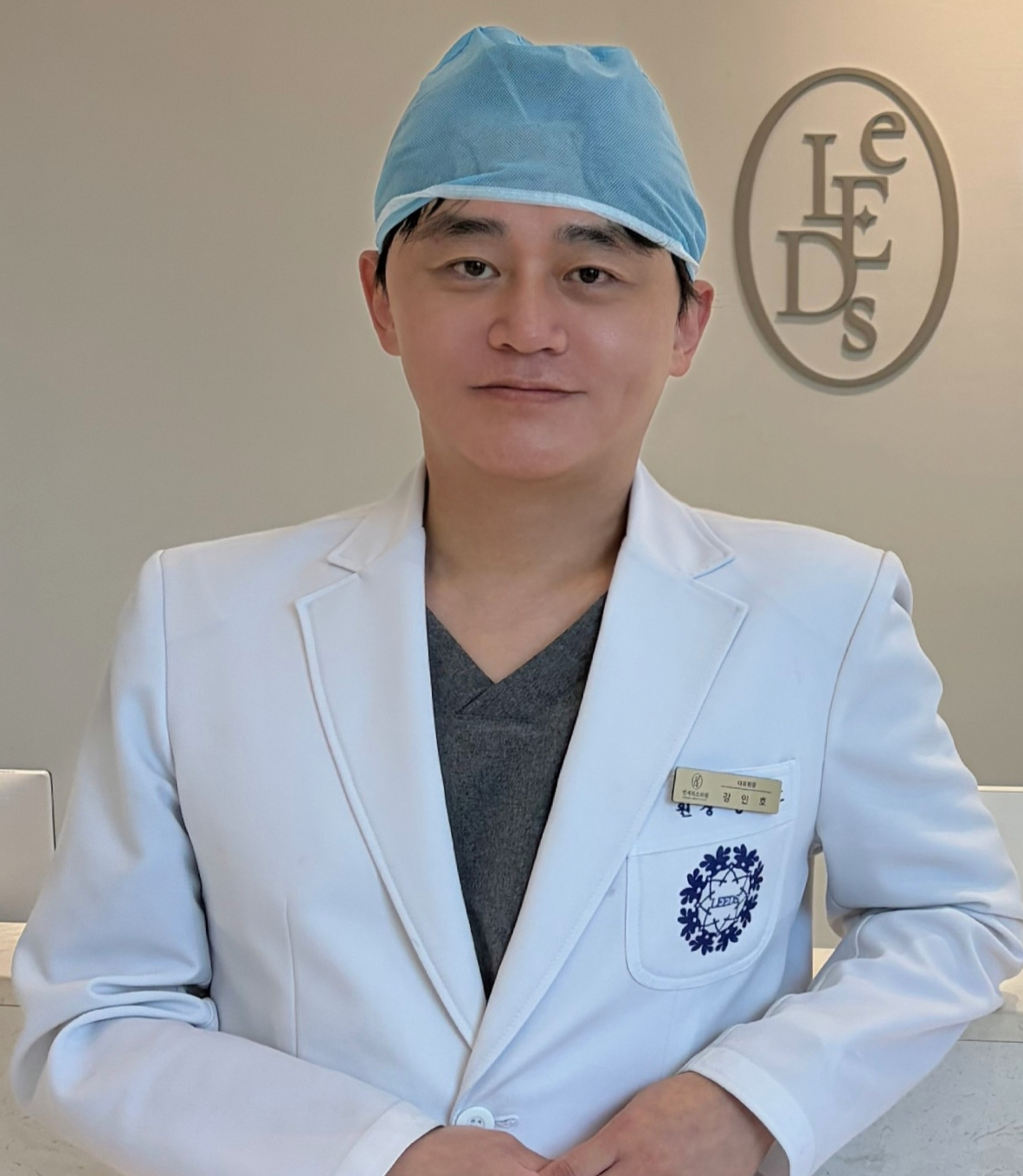
Dr. In-Ho Khang
Plastic Surgeon
Yonsei Leeds Clinic's scar and spot removal service is led by Dr. In-Ho Khang's clinical team, bringing together plastic surgery and dermatology expertise that is foundational to how every case is approached.
This dual-specialty framework means that scar minimization is not a secondary concern — it is embedded into the clinical planning process from the very first consultation. Patients with complex lesions, deeper growths, or histories of poor healing benefit from access to full reconstructive and scar revision capabilities that standalone cosmetic laser clinics are not equipped to offer.
Every procedure at Yonsei Leeds is governed by the same philosophy: accurate diagnosis precedes any treatment decision, and outcomes are measured not only by successful removal but by the quality and condition of the skin left behind.
Treatment Areas & Expected Improvements
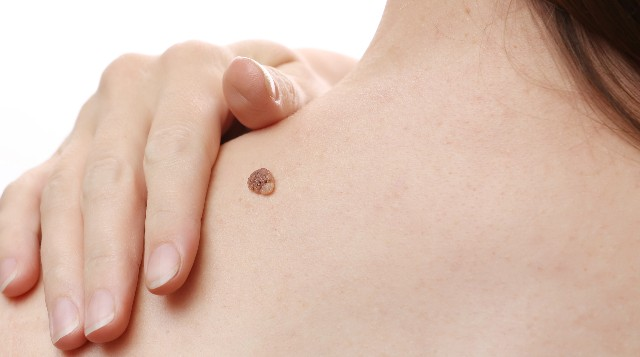
Moles (Melanocytic Nevi): Moles are clusters of pigment-producing cells that appear as raised or flat dark spots on the skin. CO2 laser is used to ablate raised moles layer by layer under controlled depth settings. Following treatment, the area typically heals with significantly reduced visibility. Flat or borderline moles may first require biopsy to confirm they are suitable for laser removal rather than excision. Expected improvement includes elimination or substantial reduction of the growth, with a smooth healing surface when properly managed post-procedure.
Milia: Milia are small, dome-shaped white cysts that form when keratin becomes trapped beneath the skin surface. They are most common around the eye contour, cheeks, and nose, and do not resolve spontaneously with skincare alone. CO2 or erbium laser creates a micro-opening that allows the keratin content to be cleared without manual extraction trauma. Results are typically immediate, with minimal downtime and very low recurrence when the root follicular pocket is properly addressed.
Flat Warts: Flat warts are HPV-related epidermal growths that tend to appear in clusters on the face, hands, or neck. Because they are contagious and prone to spreading through shaving or skin contact, early removal is clinically recommended. CO2 laser vaporizes the infected tissue while cauterizing the site, reducing viral spread risk. Multiple sessions may be required depending on the density and distribution of lesions. Post-treatment, the skin typically heals with greatly reduced lesion count and smoother surface texture.
Skin Tags (Acrochordons): Skin tags are benign, soft pedunculated growths that develop in areas of skin friction — the neck, underarms, and eyelids are common sites. CO2 laser severs the attachment point with precision, with immediate results and minimal healing time. Recurrence at the same site is uncommon after complete removal.
Sebaceous Hyperplasia: Sebaceous hyperplasia presents as small, yellowish papules with a central depression, caused by enlarged oil glands most commonly on the forehead and cheeks. CO2 laser destroys the hypertrophied gland with targeted ablation. Results include visible flattening of the lesion and reduced oil gland activity at the treated site, with improvement in overall skin surface evenness.
Syringomas: Syringomas are benign tumors of the sweat gland ducts, typically appearing as small flesh-colored papules under the eyes or on the cheeks. They are often mistaken for milia but are structurally different and require different depth management. Erbium or CO2 laser ablation can reduce their prominence significantly, though multiple sessions may be needed for densely distributed cases.
Acne Scars & Hypertrophic Scars: Post-acne scarring — including atrophic (pitted) scars and hypertrophic (raised) scars — is addressed using fractional CO2 laser, which creates micro-columns of controlled thermal injury in the dermis to trigger collagen and elastin remodeling. Over a series of sessions, skin texture, tone evenness, and scar depth improve progressively. Hypertrophic scars and keloids are managed with a combination approach that may incorporate laser resurfacing alongside other modalities based on clinical assessment.
Expected outcomes across all treatment areas vary by lesion type, individual healing response, skin type, and number of sessions completed. Results are realistic — not instantaneous — and are communicated transparently during consultation.
Treatment Process & Timeline
Step 1 — Clinical Consultation & Diagnosis
Every case begins with a structured clinical evaluation. Dr. In-Ho Khang's team assesses each lesion for its type, depth, border characteristics, and suitability for laser treatment. This step is non-negotiable: proceeding without accurate diagnosis can lead to scarring, worsened pigmentation, or incomplete removal. Cases with atypical features are flagged for biopsy before any laser is applied.
Step 2 — Treatment Planning
Based on the diagnostic assessment, a personalized plan is prepared specifying the exact modality (CO2, erbium, fractional, or surgical excision), target depth settings, the number of anticipated sessions, and post-procedure care requirements. Patients are informed of expected outcomes, realistic recovery timelines, and any relevant risks before proceeding.
Step 3 — Preparation
The treatment area is cleansed and, where appropriate, a topical anesthetic cream is applied and allowed to absorb for 20–40 minutes prior to the procedure. This maximizes comfort throughout the session.
Step 4 — Laser Procedure
The laser is applied precisely to the target lesion. CO2 laser vaporizes tissue layer by layer; erbium laser ablates more superficially with less thermal spread; fractional CO2 delivers pixelated micro-treatment columns for scar remodeling. Most individual lesion removals are completed within minutes. Larger areas or scar resurfacing sessions may take 20–45 minutes depending on the treatment zone.
Step 5 — Immediate Aftercare
A healing ointment or protective dressing is applied. Patients are given detailed post-care instructions covering wound hygiene, activity restrictions, and sun avoidance protocols. Redness, mild swelling, and crusting in the treatment area are normal and expected during the healing phase.
Step 6 — Follow-Up
Follow-up appointments are scheduled to assess healing, confirm complete removal, and determine whether additional sessions are indicated. For scar treatment cases, progress is evaluated between sessions to adjust laser settings or treatment depth as collagen remodeling develops over time.
Results, Safety & Longevity
CO2 and erbium laser removal of discrete lesions such as moles, milia, and skin tags typically produces definitive results after a single session, provided the lesion has been correctly identified and treated at appropriate depth. Flat warts and scar conditions generally require a series of sessions, with progressive improvement visible after each treatment.
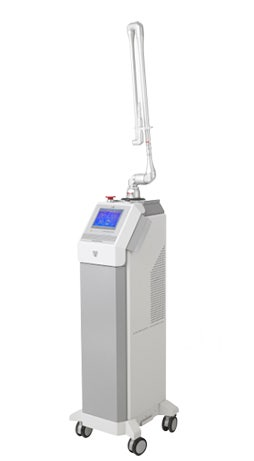
The biological basis for laser efficacy lies in controlled thermal ablation: by delivering energy precisely to the target tissue, the laser eliminates the growth while triggering the skin's natural wound healing cascade. When managed correctly with post-procedure care, the resulting tissue is smoother and more uniform than the pre-treatment surface.
Safety is a clinical priority at every stage. Because CO2 laser penetrates the dermal layer, the risk of post-inflammatory hyperpigmentation (PIH) is a genuine consideration — particularly for patients with darker skin tones (Fitzpatrick types IV–VI). This is directly addressed through the clinic's diagnosis-first protocol: laser settings, depth, and technique are calibrated specifically for each patient's skin type to reduce this risk substantially.
Potential side effects include temporary redness, swelling, crusting, and post-treatment sensitivity. These are expected aspects of the healing process and resolve as the skin recovers. Patients are advised on strict sun protection throughout the healing period, as UV exposure significantly increases the risk of pigmentation changes in treated skin.
No procedure can guarantee outcomes free of any scarring or pigmentation change. What the clinic can provide — and does — is the highest standard of clinical planning, technical precision, and aftercare guidance to minimize these risks and optimize healing.
Why Choose Yonsei Leeds Clinic for Scar & Spot Removal?
Removing a mole, milia, or wart may appear routine — but done without proper diagnosis and clinical expertise, even minor procedures can result in lasting scarring, post-inflammatory hyperpigmentation, or incomplete removal that demands repeated intervention. The risk is not theoretical: it is a consistent consequence of treating skin lesions without confirming their nature, depth, and appropriate method of removal first.
Yonsei Leeds Clinic is built on the principle that accuracy precedes action. Before any laser device is activated, every lesion receives a thorough clinical evaluation — ensuring the correct treatment is selected, not simply the most convenient one. This approach protects patients from outcomes that are far more difficult to correct than the original lesion.
What separates Yonsei Leeds from standalone laser or cosmetic clinics is the plastic surgery and dermatology dual expertise embedded within the clinical team. Scar minimization is a core clinical objective — not a marketing statement — and every removal procedure is planned with the quality of the healing tissue in mind. For patients with complex lesions, prior incomplete treatments, or concerns about scar formation, the clinic's access to full reconstructive and scar revision capabilities provides a level of clinical security unavailable in facilities without surgical expertise.
Key differentiators:
- Diagnosis-first protocol — no laser is applied without proper assessment of the lesion's type, depth, and suitability for treatment
- Plastic surgery & dermatology dual expertise — scar prevention and wound management are integral to every case, not afterthoughts
- Multi-modality capability — CO2 laser, erbium laser, fractional CO2 resurfacing, and surgical excision with biopsy are all available within the same clinical environment
- International patient experience — the clinic regularly serves patients traveling specifically for medically supervised laser procedures, with clinical communication and care pathways designed to support international cases effectively
What to Expect: Typical Treatment Journey
Patient A — Multiple Milia, Under-Eye Area
A patient in her early 30s presented with clusters of milia beneath both eyes that had been unresponsive to skincare for over two years. Following clinical assessment confirming suitability for laser treatment, CO2 laser was applied in a single session. The milia were cleared with no scarring, and the under-eye area showed a noticeably smoother texture within the healing period.
Patient B — Facial Flat Warts, Multiple Lesions
A patient in his mid-20s sought treatment for flat warts that had spread across the cheek and forehead. The contagious nature of the lesions had led to progressive multiplication over several months. A structured CO2 laser removal plan was completed over two sessions, with significant reduction in lesion count and no new spread observed after treatment.
Patient C — Post-Acne Scarring, Cheeks & Jawline
A patient in her late 20s with moderate post-inflammatory scarring across both cheeks and along the jawline underwent a course of fractional CO2 laser resurfacing. After three sessions spaced appropriately to allow collagen remodeling, overall skin texture became visibly smoother, with atrophic scar depth reduced meaningfully. The patient reported satisfaction with the gradual, consistent improvement across the treatment course.
Illustrative examples. Individual results vary.
Ready to Address Your Skin Lesions with Precision?
Whether you are concerned about a mole, dealing with milia that won't respond to skincare, or managing scarring that has affected your confidence — the right first step is an accurate clinical assessment, not a laser appointment. At Yonsei Leeds Clinic, every consultation begins with exactly that: a thorough evaluation by our clinical team to determine the safest and most effective path forward for your specific skin.
Book your consultation today to have your lesions properly assessed and a personalized removal plan developed under plastic surgery and dermatology expertise. Our team is experienced in treating patients from across the region and internationally, with clinical communication and care pathways built to support you from initial inquiry through full recovery.
[Primary CTA Button: Book a Consultation — Yonsei Leeds Clinic]
For inquiries, contact us directly via our clinic's consultation line or online inquiry form. A member of our clinical coordination team will respond to confirm your appointment and answer any questions about your case.
Your skin deserves more than a routine procedure — it deserves a clinical standard.
Other Services
Explore additional treatments offered by our specialists.
Hair Removal & Tattoo Removal
Laser hair removal and laser tattoo removal are two of the most effective and widely requested aesthetic procedures in modern medical practice.
Learn More
Body Line Surgery
Body line surgery is a specialized branch of body contouring that goes beyond standard liposuction.
Learn More
Fat Dissolving Injections
Fat dissolving injections — also known as injection lipolysis or lipo dissolve — are a non-surgical treatment that targets and destroys localized fat cells beneath the skin.
Learn More