Personalized Plastic Surgery & Aesthetic Care in Seocho-gu, Seoul

· Needs Clinic Confirmation
Hair Removal & Tattoo Removal
Laser hair removal and laser tattoo removal are two of the most effective and widely requested aesthetic procedures in modern medical practice.
Schedule a Consultation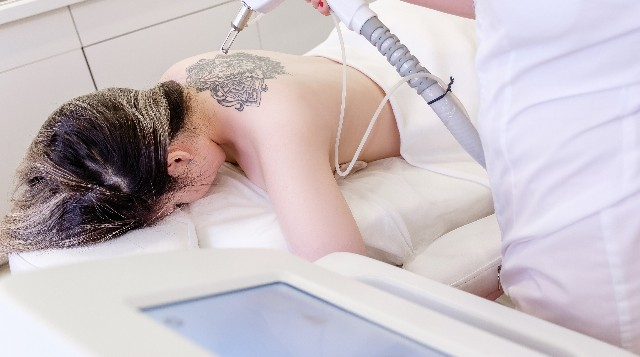
What is Laser hair and tattoo removal?
Laser hair removal and laser tattoo removal are two of the most effective and widely requested aesthetic procedures in modern medical practice. When performed with the right technology and proper clinical oversight, they deliver results that shaving, waxing, and conventional removal methods cannot match over the long term.
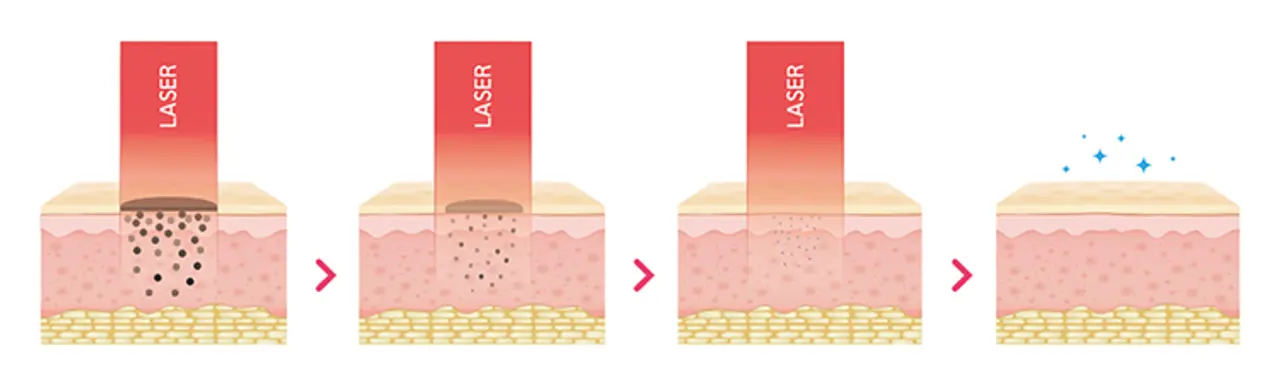
Laser hair removal works through a process called selective photothermolysis. Concentrated light energy is directed into the hair follicle, where the melanin pigment absorbs the laser energy. This absorption generates heat that damages the follicle and inhibits future hair growth. Because hair grows in multiple cycles simultaneously, a course of sessions is needed to treat follicles across all active growth phases. The Clarity II system used at Yonsei Leeds Clinic adds a precision cooling mechanism that continuously manages skin surface temperature throughout each session — reducing discomfort and protecting surrounding tissue while the laser targets the follicle directly.
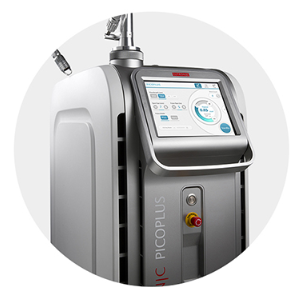
Laser tattoo removal operates on the same fundamental principle of selective light absorption, applied to ink particles rather than follicle pigment. Short, high-energy laser pulses penetrate the skin layers and shatter tattoo ink into finer fragments. These fragments are then gradually cleared by the body's immune system over the weeks following each session. With picosecond laser technology — which delivers pulses in trillionths of a second — ink particles are broken into significantly smaller pieces than older nanosecond systems can achieve. This means more efficient clearance, fewer sessions required, and less thermal energy deposited into surrounding skin tissue. Q-switched laser technology complements picosecond treatment for specific ink types and skin depths.
At Yonsei Leeds Clinic, neither treatment is delivered as a generic protocol. Every patient undergoes a thorough clinical assessment before any session begins. Skin tone, hair color and texture, ink composition, tattoo depth and age, and individual medical history are all evaluated — and the treatment plan is built around these findings, not applied uniformly regardless of the person in front of the clinician.
Who Needs****Laser hair and tattoo removal Treatment?
These treatments are appropriate for a broad range of patients seeking a medically sound, long-term solution to unwanted hair or tattoo ink. You may be a suitable candidate if:
- You want to reduce or eliminate unwanted body or facial hair and are looking for a more permanent alternative to shaving or waxing
- You have coarse or fine hair on areas such as the underarms, legs, bikini line, arms, face, or body and want progressive, long-lasting reduction
- You have darker skin or Asian skin tones and are specifically concerned about the risk of pigmentation changes, burns, or uneven tone from incorrectly calibrated laser treatments
- You want cleaner, smoother skin with minimal irritation and reduced risk of ingrown hairs
- You have a tattoo — single-color, multi-color, cosmetic, or microbladed — that you wish to significantly fade or fully remove
- Your tattoo has not responded adequately to previous removal attempts, particularly if colored pigments remain after treatment elsewhere
- You are preparing for a new tattoo and need the existing ink sufficiently lightened first
- You are visiting Korea for medical aesthetic treatments and want procedures carried out under full plastic surgery clinic conditions with proper medical supervision and aftercare
- You want the reassurance of receiving these treatments in a clinical environment where safety standards, protocols, and follow-up care go beyond what standalone laser chains can offer
Meet Dr. In-Ho Khang — Plastic Surgeon, Yonsei Leeds Clinic\n\n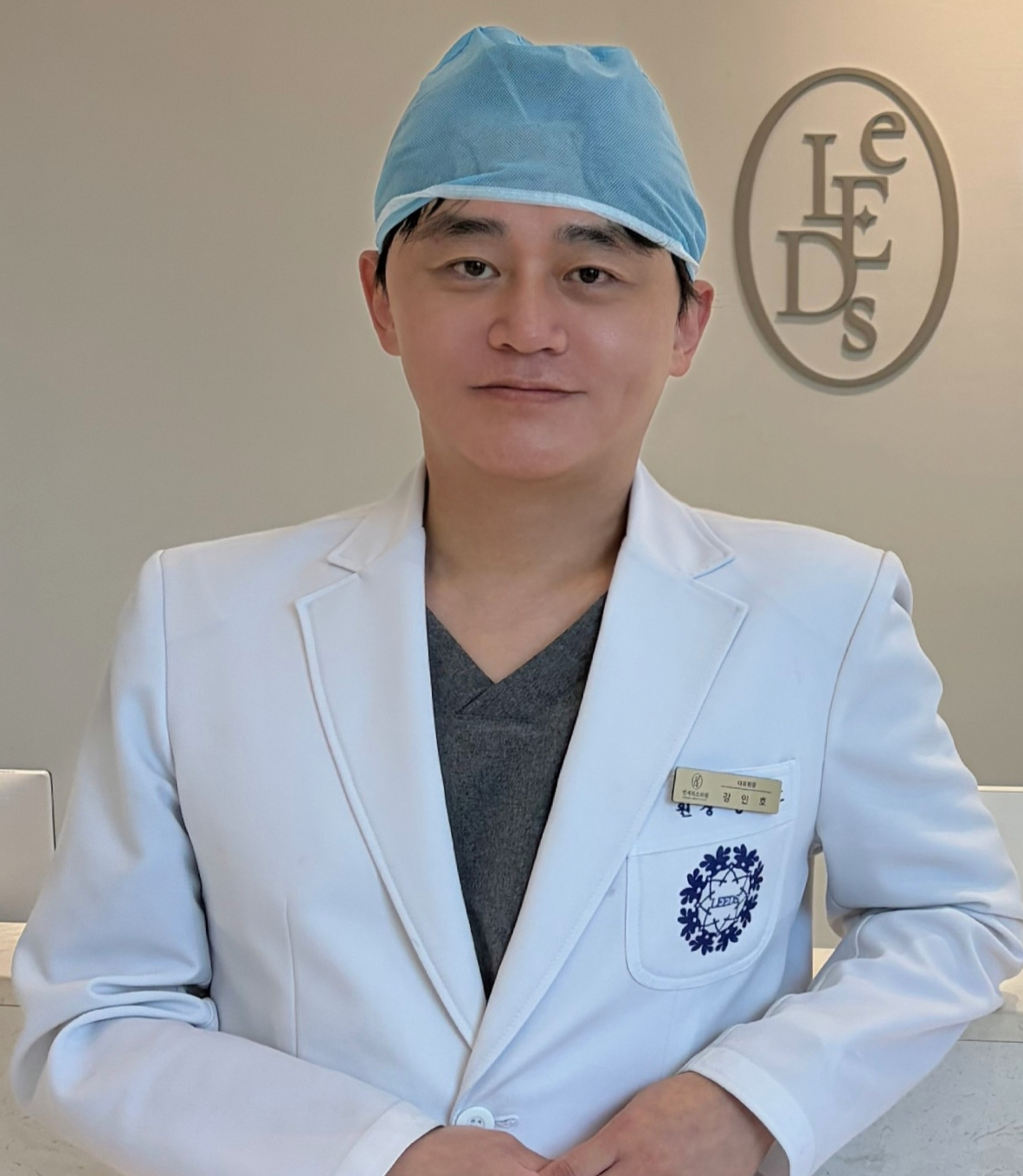
Dr. In-Ho Khang
Plastic Surgeon
Dr. In-Ho Khang leads the laser treatment program at Yonsei Leeds Clinic. Every hair removal and tattoo removal procedure at the clinic is planned and overseen by Dr. Khang's expert team — not delegated to unqualified technicians. Each session is individually calibrated to the patient's skin tone, hair color, ink composition, and treatment area, reflecting the clinic's commitment to treating every case as a distinct medical decision.
The clinic's broader environment as a full plastic surgery and dermatology practice means that the standards applied to laser treatments reflect the same rigor expected of surgical care. Pre-treatment assessments, intra-session monitoring, and structured aftercare protocols are standard at Yonsei Leeds — not optional extras.
The specialists at Yonsei Leeds continuously study and strive to deliver the best solutions for every patient. This dedication is grounded in the clinic's founding philosophy: everyone has a beautiful moment, and Yonsei Leeds continuously pursues research to help each individual discover and maintain the beauty that suits them best — safely, precisely, and with full medical accountability.
Treatment Areas and Expected Improvements
Underarms: The underarm area is one of the most frequently treated zones for laser hair removal. Hair in this region tends to be coarser and more pigment-dense, making it highly responsive to laser energy. The Clarity II system's real-time temperature monitoring and powerful cooling mechanism keep the skin protected and the session comfortable throughout. Patients typically experience progressive reduction in hair density across sessions, with many noting a meaningful decrease in regrowth speed after the first few treatments. Results vary based on individual hair cycles and hormonal factors.
Legs: Full leg hair removal covers a substantial surface area and is coordinated efficiently using multi-wavelength laser technology calibrated to each patient's specific skin tone and hair characteristics. Diode laser is commonly selected for broader skin type coverage across the legs, while wavelength selection adjusts based on individual assessment. Over the course of a structured treatment plan, patients generally experience progressively finer and sparser regrowth between sessions. Long-term reduction of active follicles is the goal, though the degree of reduction varies between individuals.
Bikini Line: Bikini line treatments require particularly precise calibration due to the sensitivity of the skin in this area and the higher baseline risk of pigmentation changes, especially for patients with Asian skin tones. At Yonsei Leeds, settings are carefully adjusted based on the clinical assessment to minimize this risk. Patients often note a reduction in ingrown hairs alongside hair density reduction over their treatment course. Treatment plans are individualized and discussed fully at the consultation.
Face — Including Upper Lip, Chin, and Delicate Zones: Facial hair removal demands fine-calibrated settings because facial skin varies significantly in thickness and sensitivity across different zones. The laser parameters are adapted to the individual's hair color, growth density, and skin response. Improvement in skin smoothness is often observable after the first few sessions, with continued reduction over subsequent treatments. Cooling technology plays a particularly important role in maintaining comfort in facial areas throughout each session.
Arms and Full Body Hair: Patients seeking broader coverage across multiple body zones — including arms, back, and chest — can receive a coordinated treatment plan that addresses all target areas within a structured session schedule. Each area may be treated with a different laser wavelength based on local skin and hair characteristics, ensuring appropriate calibration across the full treatment plan rather than applying uniform settings to the entire body.
Multi-Color Tattoos: Different ink pigments absorb different laser wavelengths. Black and dark inks respond well to a broad range of frequencies, while blues, greens, and reds require more precisely matched wavelengths for effective breakdown. At Yonsei Leeds, the treatment plan is specifically mapped to each pigment color present in the tattoo — allowing effective clearance of complex multi-color tattoos that single-wavelength systems are unable to fully address. Patients with previously resistant colored pigments often find meaningful progress with this wavelength-targeted approach.
Cosmetic Tattoos and Microblading: Eyebrow microblading, eyeliner tattoos, and lip blush applications sometimes require removal or correction — whether due to color shift over time, asymmetry, or personal preference. These cosmetic inks are frequently applied at superficial depths but can be dense and unpredictably pigmented. Picosecond technology is particularly well-suited to these cases, breaking down the ink efficiently while minimizing scarring risk compared to older removal methods. Treatment plans for cosmetic tattoos are developed with attention to the delicate surrounding skin.
Single-Color and Older Tattoos: Older tattoos with naturally faded ink often respond more readily to picosecond and Q-switched laser treatment than fresh applications. Single-color tattoos — particularly those using black or dark ink — typically achieve the most predictable clearance progression. Even in these cases, the number of sessions required depends on ink density, the depth of application, and the patient's individual immune response.
Treatment Process & Timeline
Step 1 — Personalized Clinical Consultation
Before any treatment is performed, patients meet with the clinical team for a comprehensive assessment. Skin tone, hair color and texture, tattoo characteristics including color range, ink depth, tattoo age and composition, and full medical history are reviewed in detail. This consultation is the foundation on which the entire treatment plan is built — and it is non-negotiable at Yonsei Leeds regardless of the treatment requested.
Step 2 — Customized Treatment Planning
Based on consultation findings, the appropriate laser technology and wavelength are selected for each patient and each treatment area. For hair removal: Alexandrite laser for finer hair on lighter skin tones, Diode laser for broader coverage across most skin types, and Nd:YAG laser for patients with darker complexions where the risk of post-treatment pigmentation is highest and the precision requirement is greatest. For tattoo removal: picosecond and Q-switched laser parameters are mapped to the specific ink colors and depths identified in assessment. Session frequency and the estimated number of treatments are discussed honestly at this stage.
Step 3 — Pre-Treatment Preparation
The treatment area is cleaned and prepared on the day of each session. The Clarity II system's cooling mechanism is activated to protect the skin surface and manage patient comfort throughout the procedure. Final adjustments to laser settings are made in response to the skin's condition at each individual visit — not carried over unchanged from the previous session.
Step 4 — Laser Procedure
The laser handpiece is applied precisely to the target area. For hair removal, each pulse targets active follicles while real-time temperature monitoring and the powerful cooling system continuously protect the skin surface. For tattoo removal, ultra-short picosecond pulses shatter ink particles across the treatment zone, with minimal thermal spread to surrounding tissue. Procedure time varies by area size and treatment type.
Step 5 — Immediate Post-Treatment Care
Following the procedure, the treated area may appear mildly red, feel warm, or experience mild swelling — all of which are normal responses that typically resolve within hours to one day. The clinical team provides specific post-care instructions before the patient leaves. These instructions must be followed carefully to protect the treated skin during the recovery period and to support the best possible outcome between sessions.
Step 6 — Follow-Up Sessions and Progress Monitoring
Hair removal requires multiple sessions spaced several weeks apart to progressively treat follicles across all active growth cycles. Tattoo removal sessions are similarly spaced to allow the body's immune system sufficient time to clear the fragmented ink particles between appointments. The clinical team monitors treatment progress at every visit, reviews the skin's response, and adjusts settings or session intervals where appropriate. Most patients can return to normal daily activities relatively quickly after each session.
Results, Safety, and Longevity
All laser treatments at Yonsei Leeds Clinic are performed using FDA and KFDA approved equipment. Every session is calibrated within medically established safety parameters specific to each patient's profile — this is the core of why clinical assessment precedes every treatment rather than following a fixed template.
For hair removal, patients typically observe progressive reduction in hair density and a gradual decrease in regrowth speed over the course of their treatment plan. The degree and long-term extent of reduction varies between individuals based on hormonal status, hair color, skin tone, and the specific area being treated. Patients with lighter skin tones and darker, coarser hair generally achieve the most consistent outcomes. Patients with lighter or finer hair may require additional sessions and should have realistic expectations discussed fully at consultation. Yonsei Leeds does not make guarantees of permanent hair elimination — results are communicated honestly and individually.
For tattoo removal, the degree of clearance achieved depends on the tattoo's age, ink colors present, application depth, ink density, and the patient's own immune response to fragmented pigment particles. Older, faded tattoos tend to respond more quickly than fresh, densely applied ink. Multi-color tattoos require more sessions than single-color applications due to the need to target multiple pigment wavelengths. Patients are given a realistic session estimate at the consultation stage — not a promise of complete removal in a fixed number of treatments.
Common side effects for both treatments include temporary redness, mild swelling, a warm or tingling sensation, and mild irritation in the treated area. These responses are normal and typically resolve within hours. More significant reactions — including blistering or prolonged pigmentation changes — are uncommon when laser settings are properly calibrated for the individual's skin, which is precisely why assessment-first treatment planning is a non-negotiable part of the Yonsei Leeds approach. Patients are instructed to avoid excessive irritation of the treated area and to follow all post-care guidance provided by the medical team.
Asian skin tones receive particularly careful clinical attention at Yonsei Leeds. This skin range sits in a zone where incorrect wavelength selection or inappropriate energy levels carry a meaningfully higher risk of post-inflammatory hyperpigmentation, uneven tone, or burns. These risks are addressed proactively through proper clinical assessment — not managed reactively after they occur.
Why Patients Choose Yonsei Leeds Clinic for****Laser hair and tattoo removal?
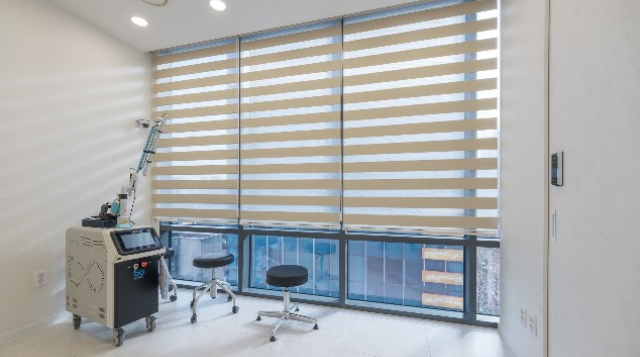
At Yonsei Leeds Clinic, laser hair removal and tattoo removal are medically supervised procedures — not cosmetic add-ons handled by untrained technicians between other appointments. Dr. In-Ho Khang's expert team plans every session individually, executes treatment with clinical-grade equipment, and follows up with professional aftercare protocols that reflect the standards of a full plastic surgery and dermatology environment.
The clinic's multi-wavelength laser capability is a meaningful clinical advantage. Many standalone laser facilities operate a single laser type and apply it uniformly across all patients — a one-size-fits-all approach that creates genuine risks for patients with Asian skin tones, complex multi-color tattoos, or previously resistant ink. At Yonsei Leeds, the optimal wavelength and energy settings are selected individually for each patient at each session, based on ongoing clinical assessment rather than a fixed protocol.
Patients who choose Yonsei Leeds also benefit from the broader clinical safety net of a full plastic surgery clinic. Should any skin concern arise during a treatment course, it is assessed and managed within the same clinical setting — by the same medical team — not deferred to an external referral. International patients visiting Korea for these treatments find a clinic structured to support their needs from the first consultation through to their final session, with clear clinical communication at every stage.
Key differentiators:
- Multi-wavelength technology: Alexandrite, Diode, and Nd:YAG for hair removal; Picosecond and Q-switched for tattoo removal — with wavelength selection driven by individual clinical assessment
- Clarity II Ice Hair Removal system with real-time temperature monitoring and powerful integrated cooling for patient safety and comfort
- Full medical supervision by Dr. In-Ho Khang's specialist team — not technician-led delivery
- Specialized calibration for Asian skin tones, actively reducing the risks of burns, pigmentation changes, and uneven treatment response
- Wavelength-mapped tattoo removal for complex multi-color tattoos, cosmetic tattoos, and microblading that single-wavelength systems cannot fully address
- FDA and KFDA approved equipment used throughout all procedures
- Full plastic surgery and dermatology clinic environment with aftercare protocols, medical oversight, and safety standards beyond standalone laser services
- Suitable for international patients seeking medically supervised laser treatments in Korea
What to Expect: Typical Treatment Journey
Patient A — Underarm & Leg Hair Removal
A patient in her late twenties had tried multiple at-home hair removal devices without consistent or lasting results. Seeking a more reliable, medically supervised solution, she came to Yonsei Leeds for underarm and leg hair removal. Following an initial clinical assessment that confirmed her skin tone and hair profile, an appropriate treatment plan was established. Over the course of several sessions, she reported progressive reduction in hair density and significantly slower regrowth between appointments. She noted that the cooling system made the sessions considerably more comfortable than she had anticipated, and that being seen in a proper clinical setting gave her confidence the treatment was being applied safely.
Patient B — Multi-Color Tattoo Removal
A patient in his thirties presented with a large, multi-color tattoo containing black, blue, and green ink. Previous removal attempts at another facility had faded the black portions reasonably well but left the colored pigments largely intact. At Yonsei Leeds, a wavelength-mapped treatment plan was developed specifically targeting each pigment color. Following a course of picosecond laser sessions, the patient observed visible and progressive fading across all ink colors — including the blues and greens that had been resistant to prior treatment. He described the clinical assessment process as thorough and appreciated the honest discussion of realistic expectations before sessions began.
Patient C — Cosmetic Tattoo Removal (Microblading)
A patient in her forties came to Yonsei Leeds seeking removal of microbladed eyebrows that had shifted in color and no longer matched her natural brow tone. Picosecond laser treatment was applied across multiple sessions with careful settings chosen to protect the thin and sensitive skin of the brow area. The patient reported consistent and gradual fading without complications between sessions. Once sufficient clearance was achieved, she was able to proceed with new brow treatment — the outcome she had originally hoped for when she first came to the clinic. Suggested image: Close-up of brow treatment zone in clinical setting
Illustrative examples. Individual results vary.
Ready to See What's Possible?
Ready to Begin Your Treatment at Yonsei Leeds Clinic?
Laser hair removal and tattoo removal achieve their best results when they are planned correctly from the very first session — with the right technology, the right wavelength, the right clinical settings, and the right level of medical oversight for your individual skin, hair profile, or tattoo's specific characteristics. At Yonsei Leeds Clinic, every patient receives a thorough clinical consultation before any treatment begins, so that your plan is built entirely around you — not a generic protocol applied to everyone who walks through the door.
Whether you are seeking smoother skin free of unwanted hair, the removal of a tattoo that has long overstayed its welcome, or the correction of cosmetic ink that no longer reflects who you are — Dr. In-Ho Khang's expert team at Yonsei Leeds Clinic is ready to assess your needs, explain your options clearly, and build a treatment plan you can trust. All procedures are performed using FDA and KFDA approved equipment under full medical supervision, in a clinical environment where your safety, comfort, and realistic outcomes are the priority at every stage of your care.
Book Your Consultation with Dr. In-Ho Khang's Team Today
Secondary contact: Reach out via the clinic's contact form or patient inquiry line to ask questions before scheduling — the clinical team is available to answer your questions and guide you ahead of your first visit.
Other Services
Explore additional treatments offered by our specialists.
Hair Removal & Tattoo Removal
Laser hair removal and laser tattoo removal are two of the most effective and widely requested aesthetic procedures in modern medical practice.
Learn More
Body Line Surgery
Body line surgery is a specialized branch of body contouring that goes beyond standard liposuction.
Learn More
Fat Dissolving Injections
Fat dissolving injections — also known as injection lipolysis or lipo dissolve — are a non-surgical treatment that targets and destroys localized fat cells beneath the skin.
Learn More