Personalized Plastic Surgery & Aesthetic Care in Seocho-gu, Seoul


Skin Booster Injections
Chemical Peel
A chemical peel is a clinically proven skin resurfacing treatment that uses carefully selected acids to exfoliate damaged or uneven skin layers, stimulating cell renewal and revealing healthier, clearer skin beneath.
Schedule a Consultation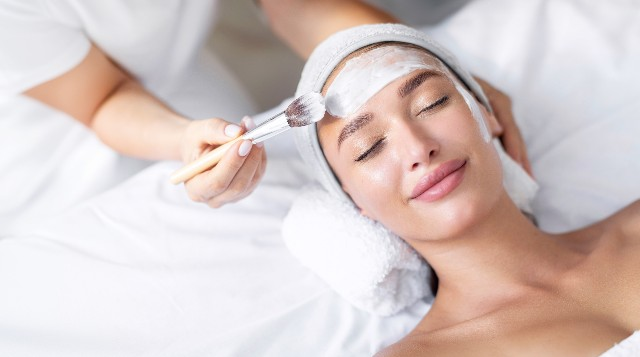
What is a chemical peel in medical skin care?
A chemical peel is a clinically proven skin resurfacing treatment that uses carefully selected acids to exfoliate damaged or uneven skin layers, stimulating cell renewal and revealing healthier, clearer skin beneath. Depending on the acid type and concentration used, peels are classified as superficial, medium-depth, or deep — each penetrating to a different level of the skin to achieve targeted correction.
Superficial peels using alpha-hydroxy acids (AHA) such as glycolic acid and lactic acid work on the outermost skin layer to improve brightness, hydration, and mild texture. Beta-hydroxy acid (BHA) peels — most commonly salicylic acid — penetrate into the pore lining, making them particularly effective for acne-prone and congested skin. Trichloroacetic acid (TCA) peels reach deeper layers of the dermis, addressing more significant pigmentation concerns, fine lines, and surface scarring.
What distinguishes a medical-grade chemical peel from consumer products is not just the concentration of active ingredients — it is the clinical expertise applied in selecting the right formulation, managing the application process, and supporting the skin through recovery. At Yonsei Leeds Clinic, every peel protocol is preceded by a thorough clinical skin assessment to determine precisely which acid type, concentration, and layering approach will deliver safe, effective results for each individual patient.
Who needs a chemical peel treatment?
Chemical peels are suitable for a wide range of skin concerns, from routine maintenance to corrective treatment. You may benefit from a medically supervised chemical peel if you are experiencing one or more of the following:
- Dull, tired, or congested skin that lacks radiance despite daily skincare
- Uneven skin tone, sunspots, or hyperpigmentation including post-acne dark marks
- Active acne or persistent breakouts with or without scarring
- Icepick or deep boxcar acne scars requiring targeted focal remodeling
- Rough, uneven skin texture or noticeably enlarged pores
- Early fine lines or mild surface wrinkling
- Dry or dehydrated skin in need of renewal and moisture-barrier support
- Patients with Asian skin tones seeking peels safely calibrated to reduce the risk of post-inflammatory hyperpigmentation
Chemical peels are one of the most versatile tools in medical skin care, and their benefit range spans from gentle regular maintenance to more intensive corrective treatment. A clinical consultation is always the starting point — not to determine whether peels are right for you in general, but to determine which protocol is right for your skin specifically.
Meet the specialists in skin care and rejuvenation
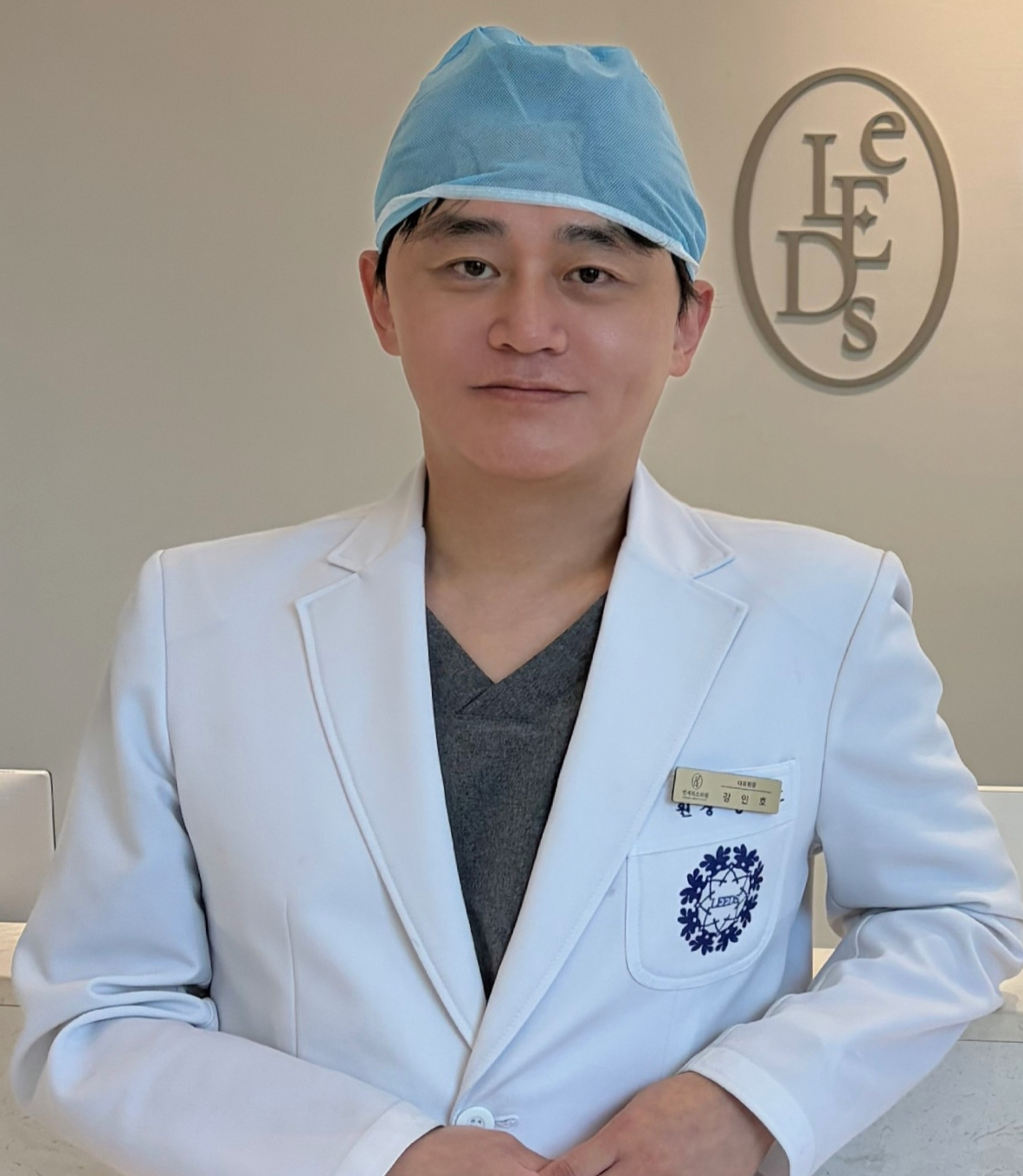
Dr. In-Ho Khang
Plastic Surgeon
At Yonsei Leeds Clinic, chemical peel treatments are conducted under the supervision of Dr. In-Ho Khang and his expert clinical team. Dr. Khang's background in plastic surgery and aesthetic medicine means that skin resurfacing is never evaluated in isolation. Every treatment decision is considered in the broader context of the patient's overall skin health, aging trajectory, and any concurrent or prior treatments they have undergone.
This integrated approach is central to how Yonsei Leeds operates. Skin improvement is viewed not as a single-session event but as a medically guided process — one where the assessment before treatment is as important as the procedure itself, and where post-treatment guidance is built into every patient's plan from the outset. The team's philosophy is grounded in the clinic's founding belief: everyone has a beautiful moment, and it is Yonsei Leeds' role to help each patient find and sustain theirs through evidence-based, individually matched care.
Treatment areas and expected improvements
Chemical peels at Yonsei Leeds Clinic are used to address the following anatomical and functional skin concerns:
Skin tone and hyperpigmentation: Superficial and medium-depth peels target melanin-rich cells in the epidermis and upper dermis, reducing the appearance of sunspots, hormonal pigmentation, and post-acne discoloration. With the correct formulation and appropriate post-peel care, patients typically notice a progressively more even tone over a series of sessions. Results vary depending on pigmentation depth and skin type, and maintenance protocols are tailored accordingly.
Acne and acne-prone skin: BHA peels using salicylic acid penetrate the sebaceous follicle and help clear congestion, reduce active breakouts, and refine pore appearance. For patients managing ongoing acne, peels are often integrated into a broader treatment plan. Improvement in breakout frequency and skin clarity is typically observed following a structured series of treatments, though individual response varies based on acne type and severity.
Acne scarring — surface and focal: For broader surface-level acne scarring, medium-depth TCA peels support gradual resurfacing and collagen stimulation. For icepick and deep boxcar scars that do not respond to broad resurfacing, focal TCA CROSS (chemical reconstruction of skin scars) is available — a precise technique that delivers concentrated TCA into individual scar channels to stimulate targeted collagen remodeling from within. This approach achieves structural scar improvement that general resurfacing alone cannot replicate.
Skin texture and pore refinement: AHA peels and combination protocols improve surface smoothness by dissolving the bonds between dead skin cells, promoting more rapid turnover and a visibly refined skin surface. Patients with rough texture, keratosis, or persistently enlarged pores typically see progressive improvement with regular peel intervals, alongside supporting home care.
Fine lines and early skin aging: Medium-depth peels stimulate dermal collagen and support skin renewal at a structural level. While chemical peels are not a substitute for treatments targeting deep dynamic wrinkles, they are effective for improving fine surface lines, skin laxity in early stages, and overall skin vitality and luminosity.
Dull, dehydrated, or congested skin: Superficial peels — including lactic acid and low-concentration glycolic acid protocols — offer effective renewal for patients whose primary concern is overall skin quality rather than specific corrective outcomes. These peels are gentle enough for regular maintenance and are often combined with hydrating masks or skin boosters at Yonsei Leeds to maximize moisture replenishment immediately after exfoliation.
Expected improvements across all treatment areas are realistic and individually variable. The clinical team will discuss what a reasonable outcome trajectory looks like for your specific skin concern before any treatment begins.
Treatment process and timeline
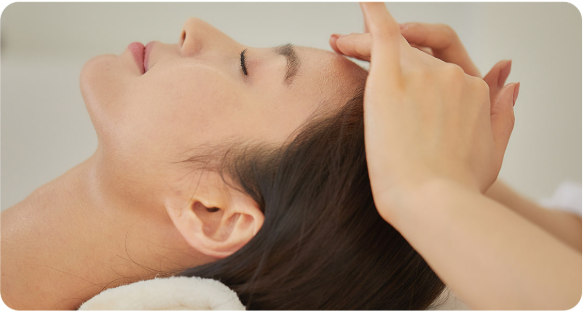
Step 1 — Clinical consultation and skin assessment
Before any peel is selected or applied, Dr. Khang's team conducts a detailed clinical skin assessment covering your skin type, concerns, medical history, current skincare regimen, and any prior aesthetic treatments. This evaluation determines the appropriate acid type, concentration, and depth of treatment for your individual profile.
Step 2 — Protocol selection and pre-treatment preparation
Based on the assessment, a customized peel protocol is formulated. Patients requiring medium-depth peels may be advised to follow a preparatory skincare regimen in the weeks prior to treatment to support optimal peel uptake and reduce sensitivity.
Step 3 — Skin cleansing and preparation
On the day of treatment, the skin is thoroughly cleansed and prepared before any acids are applied. This step ensures even penetration and removes any barrier to effective treatment.
Step 4 — Chemical peel application
The selected acid formulation is applied in a controlled manner by the clinical team. Application time and the number of layers are monitored carefully throughout the procedure. For combination protocols, LED light therapy or hydrating mask components may be integrated immediately following the peel application.
Step 5 — Immediate post-treatment care
Following the peel, a calming and barrier-supportive product is applied. The clinical team provides detailed aftercare instructions including guidance on sun protection, hydration, and ingredients to avoid during the recovery period.
Step 6 — Follow-up and maintenance scheduling
For superficial peels, treatment intervals of one to two weeks are generally appropriate depending on individual skin response. Medium-depth peel intervals are longer and determined by the clinical team based on recovery progression. A structured series of sessions is typically recommended to achieve and maintain target outcomes.
Downtime is generally minimal for superficial peels, with possible mild redness or peeling in the days following treatment. Medium-depth protocols may involve more visible skin shedding and a longer recovery period, which will be discussed fully during consultation.
Results, safety, and longevity
Chemical peels deliver results through a controlled and biologically supported process — the intentional removal of damaged surface cells, combined with the stimulation of collagen and accelerated skin renewal beneath. The longevity of results depends on the depth of the peel, the condition being treated, the patient's skin type, and the consistency of aftercare and maintenance.
Superficial peels are typically performed as a series, with cumulative improvements in tone, texture, and radiance building over successive sessions. Medium-depth peels may deliver more substantial corrective improvements with fewer sessions, though recovery periods are proportionally longer.
At Yonsei Leeds Clinic, particular care is taken with patients who have Asian skin tones, which carry a statistically higher risk of post-inflammatory hyperpigmentation when peels are applied at inappropriate concentrations or without adequate skin preparation. Acid selection, concentration, and application technique are all calibrated with this in mind. Post-peel skincare guidance — including strict sun protection — is an essential and non-negotiable component of every treatment plan.
Potential side effects include temporary redness, mild peeling or flaking, and in some cases transient sensitivity or dryness. More intensive peels carry a higher risk profile and are only recommended where the clinical assessment supports this. All risks are discussed openly during the pre-treatment consultation, and the treatment protocol is always designed with patient safety as the primary consideration. No chemical peel protocol at Yonsei Leeds is applied without a complete and individualized clinical evaluation first.
Why choose Yonsei Leeds Clinic for chemical peel treatment?
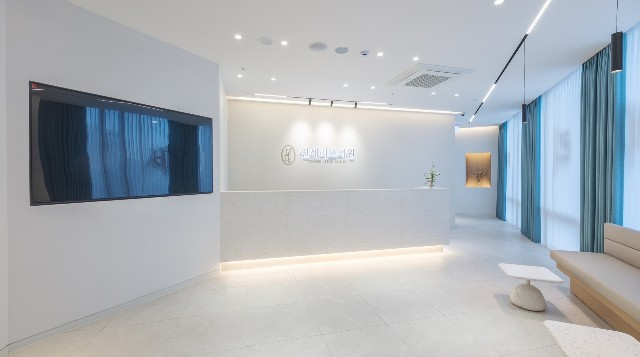
Chemical peels are one of the most time-proven and versatile treatments in medical skin care, but their effectiveness is entirely dependent on the accuracy of the skin assessment, the selection of the right acid type and concentration, and the expertise with which depth of penetration is controlled. Not all peels are created equal — and not all peel protocols are appropriate for all skin types.
At Yonsei Leeds Clinic, this clinical precision is what distinguishes every treatment. Dr. In-Ho Khang's background in plastic surgery and aesthetic medicine means that skin resurfacing is approached with a level of structural understanding that goes beyond surface-level cosmetic outcome. The patient's overall skin health, their aging trajectory, and their broader treatment history are all factored into every peel decision. Patients leave not only with improved skin — they leave with a medically informed understanding of how to maintain and build upon those results over time.
For patients traveling internationally to access treatment, Yonsei Leeds offers the full framework of a medically supervised clinic environment: thorough pre-treatment assessment, individually calibrated protocols, evidence-based combination approaches, and structured follow-up care. The clinic's foundational philosophy — that everyone has a beautiful moment — is expressed not through generic treatment packages but through personalized, research-driven care that is matched to each person's unique skin needs.
Key differentiators:
- Thorough clinical skin assessment conducted before every peel formulation is selected
- Expert calibration for Asian skin tones to minimize risk of post-inflammatory hyperpigmentation
- Full range of peel depths available — from superficial maintenance to medium-depth corrective resurfacing
- Focal TCA CROSS available for targeted icepick and deep boxcar acne scar remodeling
- Combination protocols integrating hydrating masks, LED light therapy, and skin boosters where clinically indicated
- Supervised by Dr. In-Ho Khang's team with plastic surgery and aesthetic medicine expertise
What to Expect: Typical Treatment Journey
Patient A — Hyperpigmentation and uneven skin tone
A patient in their early thirties presented with persistent post-acne hyperpigmentation and uneven tone following years of breakouts. Following a clinical assessment, a series of medium-depth peels was recommended with a preparatory homecare phase. Over the course of treatment, the patient reported progressively more even skin tone and a significant reduction in the visibility of post-acne dark marks. Suggested image: close-up of facial skin showing improved tone clarity and reduced discoloration.
Patient B — Active acne and congested pores
A patient in their mid-twenties with oily, acne-prone skin and visibly enlarged pores underwent a structured series of salicylic acid BHA peels combined with LED light therapy. The patient noted improvement in breakout frequency and skin texture within the initial sessions, with continued refinement of pore appearance across the full series. Suggested image: skin texture comparison showing reduced congestion and more refined surface appearance.
Patient C — Acne scarring requiring focal treatment
A patient in their late twenties with icepick acne scarring that had not responded to previous surface treatments was assessed for focal TCA CROSS. Following a targeted scar remodeling protocol, the patient observed gradual but meaningful improvement in scar depth and skin surface evenness over several months. Suggested image: close-up of scar area showing structural improvement in individual scar channels.
Illustrative examples. Individual results vary.
Start your skin renewal journey at Yonsei Leeds Clinic
If you are ready to address acne, pigmentation, uneven texture, or acne scarring with a medically supervised and individually calibrated chemical peel protocol, Yonsei Leeds Clinic is ready to guide you — from first assessment to lasting results.
Begin with a clinical skin consultation with Dr. In-Ho Khang's expert team. Your peel type, acid selection, depth, and treatment schedule will be built around your skin — not a generic protocol. We work with patients both locally and internationally, and every consultation is conducted with the same level of clinical thoroughness regardless of your timeline or point of origin.
Your skin's potential is specific to you. Let us help you reach it.
Primary CTA: Book Your Chemical Peel Consultation at Yonsei Leeds Clinic
Secondary contact: Reach the clinic directly to ask about consultation availability, international patient appointments, or treatment options before your visit.
Reassurance: All treatments at Yonsei Leeds Clinic are medically supervised. No peel protocol is applied without a complete individual skin assessment. Your safety, skin type, and long-term results are the first consideration in every treatment decision.
Other Services
Explore additional treatments offered by our specialists.
Hair Removal & Tattoo Removal
Laser hair removal and laser tattoo removal are two of the most effective and widely requested aesthetic procedures in modern medical practice.
Learn More
Body Line Surgery
Body line surgery is a specialized branch of body contouring that goes beyond standard liposuction.
Learn More
Fat Dissolving Injections
Fat dissolving injections — also known as injection lipolysis or lipo dissolve — are a non-surgical treatment that targets and destroys localized fat cells beneath the skin.
Learn More