Personalized Plastic Surgery & Aesthetic Care in Seocho-gu, Seoul

Skin Whitening Laser Treatments
Pigmentation & Tone Correction
Pigmentation concerns arise when melanin — the pigment responsible for skin colour — is produced unevenly or in excess.
Schedule a Consultation
What is Pigmentation & Tone Correction in Laser Treatment?
Pigmentation concerns arise when melanin — the pigment responsible for skin colour — is produced unevenly or in excess. This can occur at the surface of the skin, within the deeper dermal layers, or both simultaneously, which is why no two pigmentation cases look or behave the same way clinically.
Effective pigmentation treatment is not simply a matter of applying a laser to a dark area. It requires accurately identifying what type of pigmentation is present, how deep it sits within the skin, and what originally triggered it — whether sun exposure, hormonal change, post-inflammatory response, or cumulative age-related melanin accumulation. Without this diagnostic clarity, treatment carries a real risk of rebound pigmentation or worsening — particularly in patients with Asian skin tones where melanin is significantly more reactive.
At Yonsei Leeds Clinic, pigmentation and tone correction is guided by the Yonsei Leeds Clinic Surgical Method — a clinical philosophy centred on minimising skin tissue damage while delivering effective, consistent, and lasting improvement. Treatment selection is based on what the individual skin genuinely requires. From picosecond laser to IPL, from dual-wavelength toning to RF microneedling for skin condition improvement, each modality is chosen and calibrated with precision. The goal is accurate, sustained correction that improves the skin without compromising the barrier that keeps it healthy.
Who Needs Pigmentation & Tone Correction in Laser Treatment?
Pigmentation concerns affect a wide range of patients across skin types, ages, and skin histories. This service is relevant if you:
- Have persistent melasma — patchy, symmetrical darkening typically triggered by hormonal changes or UV exposure — that has not responded consistently to topical treatments alone
- Are managing post-inflammatory hyperpigmentation (PIH) left behind by acne, a skin procedure, or injury to the skin
- Have accumulated sun damage, age spots, or solar lentigines from years of UV exposure on the face, neck, or décolletage
- Have freckles or superficial brown spots you would like lightened or progressively cleared
- Have been identified with Hori's nevus — a form of dermal melanocytosis presenting as blue-grey or greyish-brown patches, more common in Asian skin — that requires targeted deeper-layer treatment
- Are experiencing uneven skin tone across the face that affects your overall complexion, skin brightness, and confidence
- Are of Asian skin background and have been cautious about laser treatment due to concerns about post-treatment darkening, scarring, or skin sensitivity
- Are seeking a medically supervised approach rather than a cosmetic-only protocol, particularly if previous treatments elsewhere have produced inconsistent or unsatisfactory results
Meet Dr. In-Ho Khang — Plastic Surgeon, Yonsei Leeds Clinic
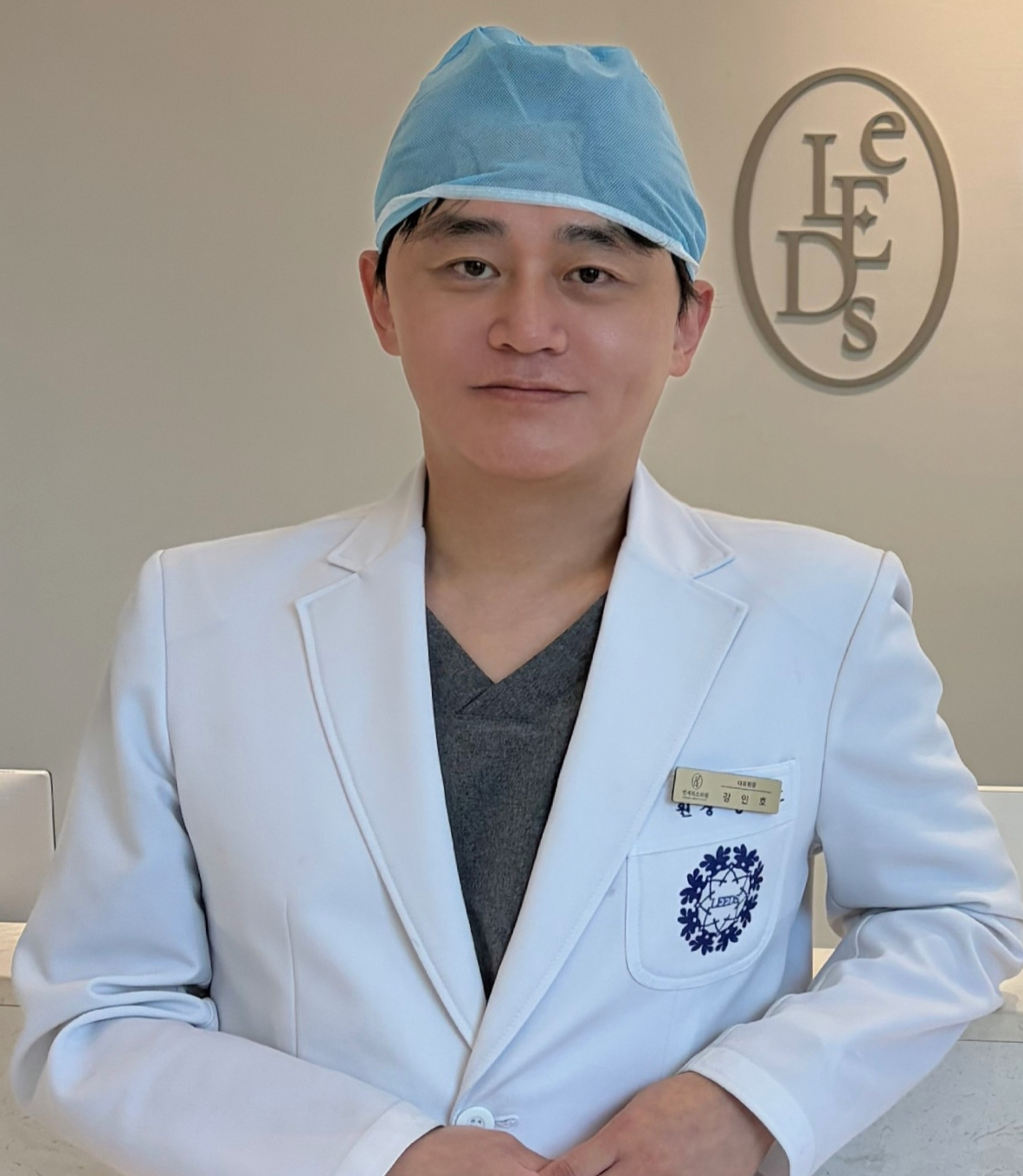
Dr. In-Ho Khang
Plastic Surgeon
Dr. In-Ho Khang Plastic Surgeon | Yonsei Leeds Clinic
Dr. In-Ho Khang leads pigmentation and laser treatments at Yonsei Leeds Clinic, bringing together the disciplines of plastic surgery and dermatological laser medicine. His clinical approach to pigmentation is rooted in structural understanding — treating the skin not only at the surface but in the context of the patient's overall facial anatomy, aging process, and long-term skin goals.
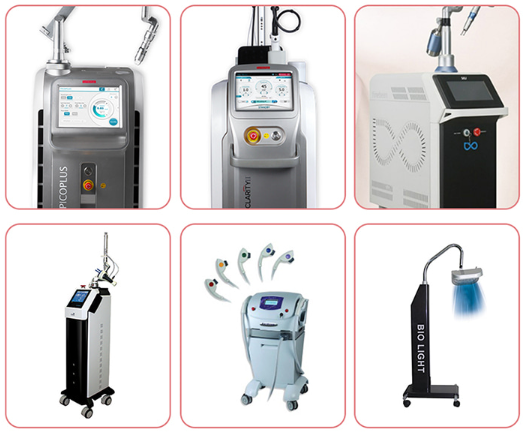
His access to one of the most comprehensive laser and energy-based platforms available — including Pico Plus, Clarity II, Fraxel, Shine Beam, IPL, LED Healite, and Potenza — means that treatment selection is always driven by clinical need rather than device availability. Energy levels, session frequency, and protocol components are individually adjusted at every stage of the treatment course.
The clinic's care philosophy, rooted in the Yonsei Leeds Clinic Surgical Method, is built on one guiding principle: every patient deserves a treatment plan designed around their skin — calibrated for their specific concern, their skin type, and their long-term goals — not drawn from a standardised menu.
Treatment Areas and Expected Improvements
Pigmentation and tone correction at Yonsei Leeds Clinic is applicable across multiple facial and skin areas. Treatment is customised based on the nature, depth, and location of each patient's concern, with device selection matched accordingly.
Face — Cheeks, Forehead, and Temples: These are among the most common sites for melasma, freckles, and sun-related pigmentation. Laser toning and picosecond therapy using the Pico Plus system — with ultra-short 450ps pulse durations and multiple wavelengths including 532nm, 1064nm, 595nm, and 660nm — target both superficial and deeper pigmentation in these zones with precision. The laser breaks down pigmentation into micro-particles for more effective removal while minimising skin irritation. Patients can expect gradual lightening of patches, improved tone evenness across the mid-face, and a reduction in contrast between pigmented and surrounding skin over a planned treatment course.
Nose Bridge and Periorbital Area: Freckles, Hori's nevus, and diffuse sun damage frequently concentrate along the nose bridge and around the eyes. The Clarity II dual-wavelength system — combining 755nm Alexandrite and 1064nm Nd:YAG — addresses pigmentation in these areas with precision. Its IntelliTrak system automatically detects laser movement to enable stable, consistent delivery, minimising skin irritation while effectively treating the pigmented lesions present.
Jawline and Lower Face: Post-inflammatory hyperpigmentation from acne is frequently concentrated across the lower face and jawline. PIH at this depth benefits from carefully calibrated picosecond laser energy via the Pico Plus system, which breaks down pigment into micro-particles for clearance while minimising the risk of triggering further inflammatory response. Overall skin texture in this area can also be improved through the treatment process.
Neck and Décolletage: Sun-related pigmentation, age spots, and diffuse uneven tone in the neck and décolletage respond well to IPL and Clarity II combination protocols. IPL effectively improves freckles, blemishes, redness, pigmentation, and overall skin tone across broader surface areas, making it well-suited to the cumulative UV damage that often accumulates in these regions.
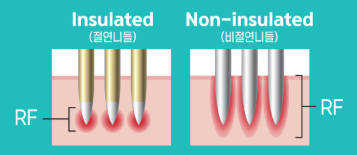
Overall Skin Tone, Texture, and Condition: Beyond discrete lesions, many patients seek improvement in general skin tone evenness, surface brightness, and texture. Laser toning, Fraxel laser, Shine Beam laser, and LED Healite phototherapy can address diffuse dullness, mild pigmentation, and surface irregularity. Potenza RF microneedling — delivering radiofrequency energy precisely into targeted skin tissue layers via advanced microneedle technology — supports further improvement in overall skin condition, texture, and resilience as part of a comprehensive correction programme. The Potenza system supports both insulated needle treatment (delivering RF energy only at the needle tip to minimise surface skin damage) and non-insulated needle treatment (disting energy along the full needle surface for broader coverage), allowing precise targeting of the appropriate skin layer for each patient.
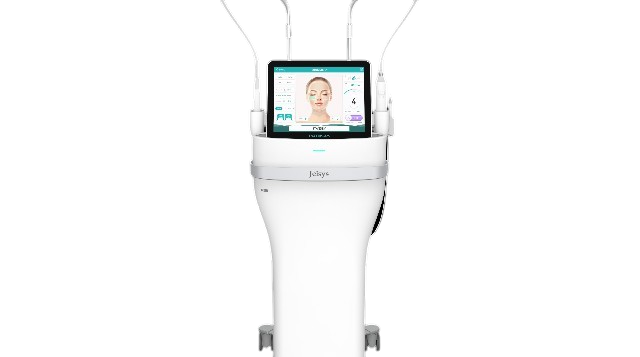
LED Healite phototherapy can also be incorporated to support skin recovery, reduce post-treatment irritation, and enhance the overall skin improvement effect following laser sessions.
Expected Improvements Across Treatment Areas:
- Lightening and reduction of discrete dark spots, patches, and lesions
- More even distribution of melanin across treated areas
- Improved overall skin tone clarity and brightness consistent across the face
- Reduction in contrast between pigmented areas and surrounding skin
- Progressive improvement in skin texture, surface condition, and skin health
- Improvement in redness and overall skin tone through IPL and Clarity II protocols
Results vary between individuals based on skin type, pigmentation depth, cause, and adherence to aftercare and sun protection. Multiple sessions are typically required for meaningful and sustained improvement. No treatment guarantees complete clearance, and outcomes are discussed transparently at consultation.
Treatment Process & Timeline
Step 1 — Diagnostic Consultation
Your treatment begins with a comprehensive clinical assessment by Dr. In-Ho Khang. This includes reviewing your skin history, identifying the specific type or types of pigmentation present — whether melasma, PIH, sun damage, freckles, Hori's nevus, or a combination — and evaluating melanin depth to determine whether the concern is primarily epidermal, dermal, or mixed. This diagnostic step is foundational. It is what determines which laser or combination of treatments is appropriate, and at what settings it can be safely delivered.
Step 2 — Personalised Treatment Planning
Based on the diagnostic findings, a tailored treatment plan is developed specifying the most appropriate technology or combination protocol — whether Pico Plus picosecond laser, Clarity II dual-wavelength toning, Fraxel, Shine Beam, IPL, LED Healite, Potenza, or a sequenced multi-device approach — along with energy parameters, session frequency, and expected treatment progression.
Step 3 — Skin Preparation
Depending on your skin condition and the planned treatment, a skin priming phase may be recommended to reduce reactive potential and optimise the skin's response to laser energy. Sun protection and avoidance of certain skincare actives may be advised in the days leading up to your first session.
Step 4 — Laser Treatment Session
The selected laser or combination treatment is administered according to your personalised plan. Session duration varies depending on the treatment area and protocol. Pico Plus delivers ultra-short 450ps pulse durations using wavelengths of 1064nm, 532nm, 595nm, and 660nm to precisely target pigmentation with minimal surrounding tissue damage. Clarity II utilises its IntelliTrak system for precise and stable dual-wavelength delivery. IPL addresses diffuse pigmentation, redness, and uneven tone across broader surface areas. Potenza RF microneedling uses microneedle technology — with the option of insulated or non-insulated needle types — to deliver RF energy precisely into targeted skin tissue layers for comprehensive skin condition improvement.
Step 5 — Immediate Aftercare and Skin Recovery
Post-treatment skincare guidance is provided before you leave the clinic. This includes sun avoidance instructions, recommended products to support healing, and activities or ingredients to avoid during the recovery window. LED Healite phototherapy may be incorporated immediately following treatment to support skin recovery, enhance the skin improvement effect, and reduce post-treatment irritation.
Step 6 — Follow-Up, Progress Review, and Ongoing Calibration
Follow-up appointments are scheduled to monitor treatment response and adjust parameters between sessions. Energy levels, session intervals, and protocol components are refined based on how your skin is progressing. This adaptive, visit-by-visit calibration is central to the Yonsei Leeds Clinic Surgical Method — ensuring each session delivers maximum benefit while maintaining the skin's integrity and preventing over-treatment.
Results, Safety, and Longevity
Pigmentation treatment produces gradual, progressive results. Most patients begin to observe tone improvement following the early sessions of a planned course, with more meaningful change becoming visible as the treatment course advances. The biological process — breaking down melanin deposits, supporting the skin's natural clearance mechanisms, and improving overall skin condition — requires time and consistency to deliver lasting benefit.
The depth and type of pigmentation significantly influences how many sessions are required and how durable the results will be. Superficial epidermal pigmentation such as freckles and sun spots typically responds more rapidly. Deeper dermal pigmentation, mixed-type melasma, and Hori's nevus require more careful, longer-term clinical management. The Pico Plus laser's ability to break down pigmentation into micro-particles makes it particularly effective for more resistant pigmentation concerns, while its ultra-short pulse durations minimise irritation and protect surrounding skin tissue during the process.
Safety is built into the treatment design at every stage. For Asian skin patients in particular — where the risk of post-inflammatory hyperpigmentation and rebound darkening is a genuine and well-documented clinical concern — energy settings are deliberately managed and adjusted at each visit based on the skin's observed response. The Yonsei Leeds Clinic Surgical Method's core principle of minimising skin tissue damage while achieving effective results is directly applied to how laser parameters are selected and modified throughout the course.
The Clarity II IntelliTrak system, Pico Plus precision wavelength delivery, and Potenza's insulated needle technology all contribute to a treatment environment where energy reaches the intended target while unnecessary impact on surrounding tissue is reduced. Potenza's insulated needles deliver RF energy only at the needle tip — minimising unnecessary surface skin exposure — while the non-insulated option distributes energy along the full needle surface when broader tissue treatment is indicated.
Potential side effects associated with laser pigmentation treatment include temporary redness, mild swelling, darkening of treated spots prior to clearance (known as pigment oxidation), and — if skin is over-treated — the risk of PIH. These possibilities are discussed openly at consultation. Suitability for each session is reassessed at every visit.
Long-term maintenance of results requires consistent, year-round sun protection. Conditions such as melasma that are linked to hormonal triggers may require periodic retreatment over time. Realistic expectations and long-term care planning are established at the outset of your treatment journey at Yonsei Leeds Clinic.
Why Patients Choose Yonsei Leeds Clinic for Pigmentation & Tone Correction?
Pigmentation is one of the most nuanced and commonly mismanaged concerns in aesthetic medicine — particularly for patients with Asian skin, where melanin is more reactive and the consequences of an incorrect laser selection or inappropriate energy setting can meaningfully worsen the original concern. At Yonsei Leeds Clinic, the approach begins not with a device but with a diagnosis.
Every pigmentation consultation with Dr. In-Ho Khang involves identifying the specific type of pigmentation present, its depth within the skin layers, and its underlying cause — before any treatment decision is made. This is what separates a clinically sound outcome from one that produces temporary improvement followed by rebound. The Yonsei Leeds Clinic Surgical Method — built on minimising skin tissue damage, delivering consistent results across treatment areas, and improving both pigmentation and overall skin condition — guides every step of the process.
The clinic's equipment platform spans the full spectrum of proven laser and energy-based technologies: Pico Plus picosecond laser (MFDS and FDA approved), Clarity II dual-wavelength laser with IntelliTrak precision delivery, Fraxel laser, Shine Beam laser, IPL, LED Healite phototherapy, and Potenza RF microneedling. This breadth means treatment is always matched to what the individual skin requires — not limited to what a single device can offer.
Key clinical differentiators:
- Yonsei Leeds Clinic Surgical Method: A defining clinical philosophy that prioritises minimising skin tissue damage while delivering effective, consistent, and lasting improvement — applied to every pigmentation and tone correction treatment
- Diagnostic-first protocol: Melanin depth, pigmentation type, and root cause are identified before any device or energy setting is selected — preventing the mismanagement that leads to rebound or worsening
- Individually calibrated treatment: Energy levels, session frequency, and protocol composition are adjusted per patient, per visit — based on how the skin is responding, not fixed at the outset
- Asian skin expertise: Clinical experience managing the specific reactive potential of Asian skin melanin, with protocols designed to maximise results while protecting the skin barrier and preventing PIH
- Comprehensive multi-technology platform: Pico Plus, Clarity II, Fraxel, Shine Beam, IPL, LED Healite, and Potenza — each available and selected based on clinical suitability, not device availability
- Dual plastic surgery and dermatology perspective: Pigmentation is evaluated in the context of overall facial structure, skin aging, and long-term goals — not treated in isolation from the patient's broader skin health
- Medically supervised throughout: All treatment is conducted under the direct clinical oversight of Dr. In-Ho Khang, with ongoing assessment and calibration built into every stage of the treatment course
What to Expect: Typical Treatment Journey
Patient A — Melasma Management, Female, Mid-30s
This patient presented with bilateral melasma across the cheeks and upper lip that had worsened following pregnancy. A structured combination of laser toning and Pico Plus picosecond sessions was implemented, with energy levels carefully managed at each visit to avoid triggering inflammatory response. By the midpoint of the treatment course she reported noticeable lightening of the patches and a significant improvement in overall tone evenness. A maintenance interval and year-round sun protection protocol were established to support longer-term management of her hormonally influenced pigmentation.
Patient B — Post-Inflammatory Hyperpigmentation, Male, Late 20s
Following a period of active acne, this patient was left with significant PIH concentrated across the lower face and jawline. Pico Plus picosecond sessions were sequenced at conservative intervals to allow progressive clearance between treatments without triggering further skin reaction. He observed consistent fading of the post-acne marks across the course, with skin texture also improving as a secondary benefit. He noted it was his first experience of laser treatment producing reliable results without triggering additional skin sensitivity.
Patient C — Sun Damage and Age Spots, Female, Early 50s
This patient presented with diffuse sun damage across the face, neck, and décolletage including discrete age spots and generalised uneven tone. A combination of IPL and Clarity II dual-wavelength treatment was applied across all three areas. Gradual clearance of discrete lesions was achieved over the planned course, alongside a broader improvement in overall skin brightness and tone consistency. LED Healite was incorporated post-session to support skin recovery and enhance overall skin condition improvement. She described the results as the most comprehensive tone correction she had experienced.
Illustrative examples. Individual results vary.
Ready to Address Your Pigmentation Concerns with Medical Precision?
Pigmentation and skin tone correction begins with the right diagnosis — not the right device. At Yonsei Leeds Clinic, every treatment plan is built around your skin: your pigmentation type, your melanin depth, your skin history, and your long-term goals. Whether you are managing melasma, post-inflammatory hyperpigmentation, sun damage, freckles, Hori's nevus, or chronic uneven skin tone, Dr. In-Ho Khang and the team will design a medically supervised, individually calibrated treatment plan — drawing on the full clinical platform of Pico Plus, Clarity II, Fraxel, Shine Beam, IPL, LED Healite, and Potenza — to achieve clearer, more even-toned skin safely, sustainably, and without compromising the skin you're in. Book your consultation today and take the first step toward skin correction done properly.
Book Your Pigmentation Consultation at Yonsei Leeds Clinic
For enquiries or to speak with our team before booking, contact us directly through our consultation request form. We welcome patients seeking thorough, medically grounded pigmentation care.
Other Services
Explore additional treatments offered by our specialists.
Hair Removal & Tattoo Removal
Laser hair removal and laser tattoo removal are two of the most effective and widely requested aesthetic procedures in modern medical practice.
Learn More
Body Line Surgery
Body line surgery is a specialized branch of body contouring that goes beyond standard liposuction.
Learn More
Fat Dissolving Injections
Fat dissolving injections — also known as injection lipolysis or lipo dissolve — are a non-surgical treatment that targets and destroys localized fat cells beneath the skin.
Learn More