Personalized Plastic Surgery & Aesthetic Care in Seocho-gu, Seoul

Fat Grafting (Lipofilling)
Eye Surgery
Eye surgery in the context of aesthetic facial surgery is a family of procedures designed to reshape, refine, or restore the upper and lower eyelid area.
Schedule a Consultation
What Is Eye Surgery in Plastic & Facial Surgery?
Eye surgery in the context of aesthetic facial surgery is a family of procedures designed to reshape, refine, or restore the upper and lower eyelid area. These are among the most technically demanding procedures in facial plastic surgery — not because they are complex in isolation, but because the eyes are the most expressive and closely observed feature of the face. Even minor asymmetries or misjudged crease heights become immediately visible.
At Yonsei Leeds Clinic, eye surgery encompasses a range of distinct procedures — double eyelid creation, ptosis correction, epicanthoplasty, lateral canthoplasty, and lower blepharoplasty — each addressing a different anatomical concern. What unites them is the foundational principle guiding every treatment plan: the result must suit the individual's natural eye shape, skin character, and overall facial harmony. No standard templates. No routine crease heights applied universally. Every procedure is designed from scratch.
Korea has long been recognized internationally as a center of excellence for eyelid surgery, with decades of refined technique development specific to Asian eyelid anatomy. Yonsei Leeds Clinic is rooted in that tradition — combining world-class Korean surgical standards with a deeply personalized, unhurried patient-centered approach.
Who Needs Eye Surgery?
Eye surgery at Yonsei Leeds Clinic may be appropriate for individuals experiencing one or more of the following:
- No double eyelid crease or an inconsistent crease — one that forms partially, disappears with tiredness, or differs noticeably between eyes
- Monolid appearance with no natural upper fold — for patients who want a defined but natural-looking crease
- Ptosis (droopy eyelids) — where weakened levator muscle function causes the upper eyelid to partially cover the iris, making eyes appear heavy, tired, or asymmetrical
- Prominent Mongolian fold (epicanthal fold) — an inner corner skin fold that gives a closed or narrow appearance to the eye
- Eyes that appear small, narrow, or imbalanced relative to overall facial proportions
- Under-eye puffiness or fat herniation — causing a persistently tired or aged appearance regardless of rest
- Excess lower eyelid skin laxity — contributing to a hollowed, shadowed, or crepey appearance beneath the eye
- Previous eyelid surgery with unsatisfactory results — asymmetry, crease that is too high, too low, too deep, or unnatural in character
- Patients seeking a refreshed, more alert appearance without dramatic or obvious surgical change
Candidates range from young adults seeking their first double eyelid crease to patients in their forties and beyond addressing age-related eyelid changes. The right procedure depends entirely on eyelid anatomy, skin condition, and individual goals — all assessed in detail during consultation.
Meet Dr. In-Ho Khang — Plastic Surgeon, Yonsei Leeds Clinic
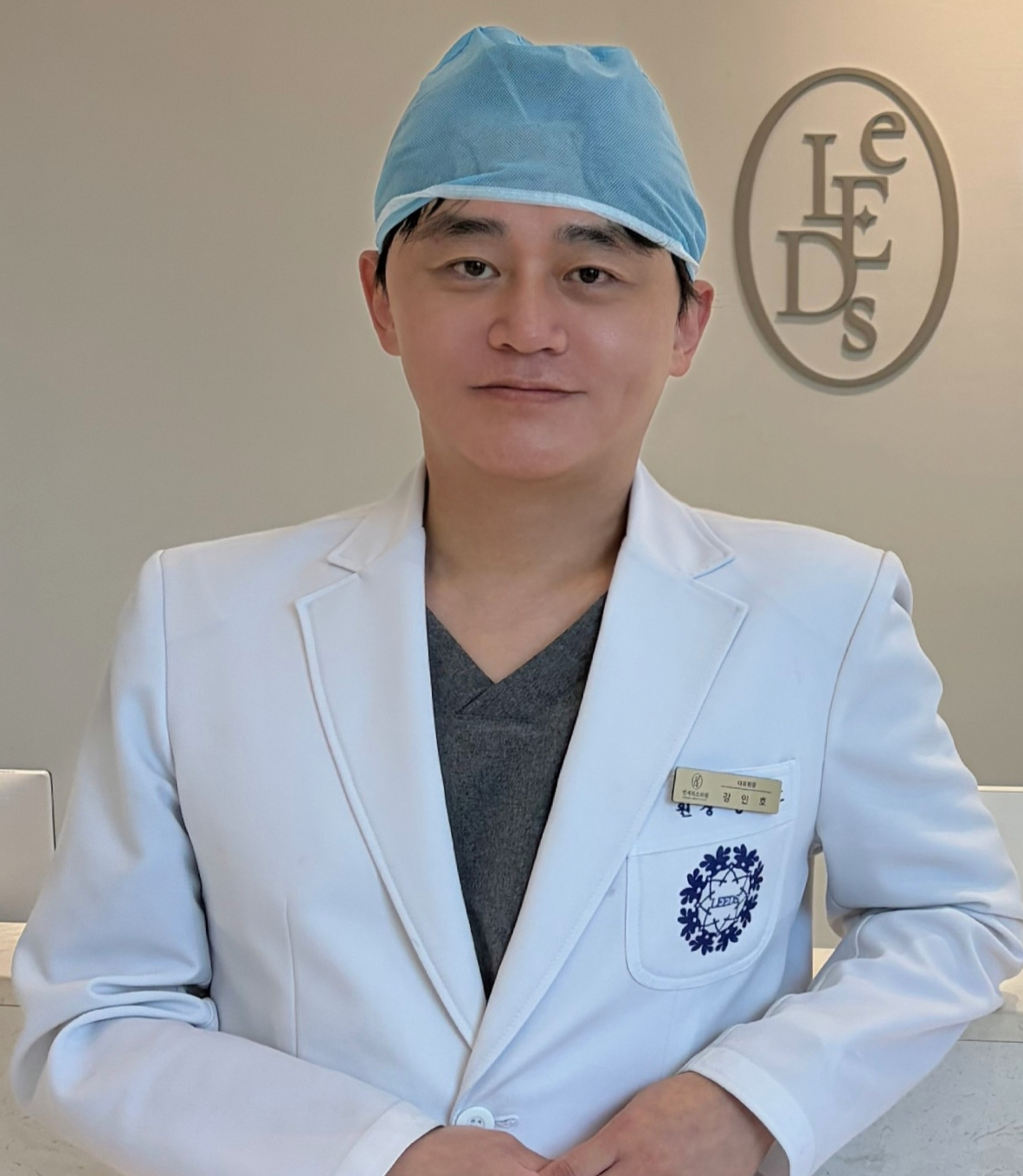
Dr. In-Ho Khang
Plastic Surgeon
Eye surgery at Yonsei Leeds Clinic is performed by Dr. In-Ho Khang, a specialist in facial plastic surgery with focused expertise in periorbital surgery — the precise and nuanced surgical field governing the eyelids and surrounding structures.
Dr. Khang's approach begins before the operating room. Every patient undergoes a thorough, unhurried pre-surgical assessment covering eyelid anatomy, skin thickness, fat distribution, muscle strength, presence and degree of ptosis, and the relationship of the eye area to the broader face. This assessment directly shapes the surgical plan — determining whether an incisional, non-incisional, or partial incision method is most appropriate, and defining crease height, corner design, and any adjunct procedures needed for balanced, harmonious results.
Rather than applying a single practiced technique to every patient, Dr. Khang custom-designs each procedure around what the individual's anatomy genuinely calls for. The result is surgery that looks like it was always meant to be there.
"Every eye surgery at Yonsei Leeds begins with listening — to the patient's goals, and to what their anatomy is telling us. The procedure follows the person, not the other way around."
Treatment Areas & Expected Improvements
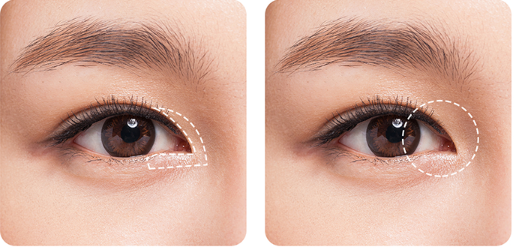
Upper Eyelid — Double Eyelid Crease Creation: The upper eyelid crease is the defining feature of double eyelid surgery. At Yonsei Leeds, the crease height, shape (parallel, tapered, or semi-tapered), and depth are individually designed based on eyelid anatomy and desired appearance. The incisional method allows removal of excess skin, fat, and tissue while addressing weakened eye-opening muscle if ptosis is also present — creating a clearly defined, lasting crease. The non-incisional suture method creates a natural-looking fold without skin removal, with faster initial recovery and minimal scarring, and is appropriate for lids with thin skin and minimal excess fat. Patients can expect a more defined and symmetrical upper eyelid that frames the eye naturally. Individual healing, skin type, and anatomy affect the precise outcome.
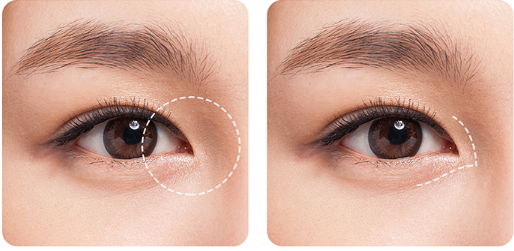
Inner Eye Corner — Epicanthoplasty: The inner corner of the eye is partially or fully covered by an epicanthal fold in many patients, giving the eyes a narrow or closed appearance. Epicanthoplasty carefully releases this fold, opening the inner corner and visually elongating the eye. At Yonsei Leeds, each patient's Mongolian fold is measured and assessed before surgery, and the surgical design is planned in direct relation to the desired double eyelid line for a cohesive result. Patients generally notice wider-looking, softer eyes with greater expression. Scars are placed within natural crease lines and fade progressively over the months following surgery.
Outer Eye Corner — Lateral Canthoplasty: Lateral canthoplasty addresses the outer corner of the eye, extending the eye's horizontal dimension and creating a more open, elongated eye shape. Combined with double eyelid surgery or epicanthoplasty where appropriate, this procedure contributes to a fuller, more balanced periorbital result. Surgical design is tailored to each patient's existing corner anatomy and overall eye proportions.
Upper Eyelid Muscle — Ptosis Correction: Ptosis, or drooping of the upper eyelid caused by a weakened levator muscle, causes the lid margin to sit lower than normal — partially covering the iris and giving an appearance of fatigue, asymmetry, or reduced alertness. Ptosis correction at Yonsei Leeds strengthens or repositions the levator muscle to restore the appropriate eyelid height. This can be performed in conjunction with double eyelid surgery, ensuring that both the crease and the lid position are addressed as a single, coordinated plan. Outcomes include brighter, more symmetrical, and more alert-looking eyes. Severity of ptosis and individual muscle response influence the degree and timeline of results.
Lower Eyelid — Under-Eye Fat Removal (Lower Blepharoplasty): Excess fat beneath the lower eyelid herniates forward with time or due to genetic predisposition, creating visible puffiness and shadow that makes the face appear tired or older. Lower blepharoplasty at Yonsei Leeds removes accumulated sub-eyelid fat through a carefully placed approach, smoothing the under-eye contour. The procedure takes approximately 30 to 40 minutes, is performed under sedation anesthesia with no hospitalization required, and patients are typically able to return to daily activities from the following day. Results include a brighter, fresher under-eye area with reduced puffiness and a more rested overall appearance.
Treatment Process & Timeline
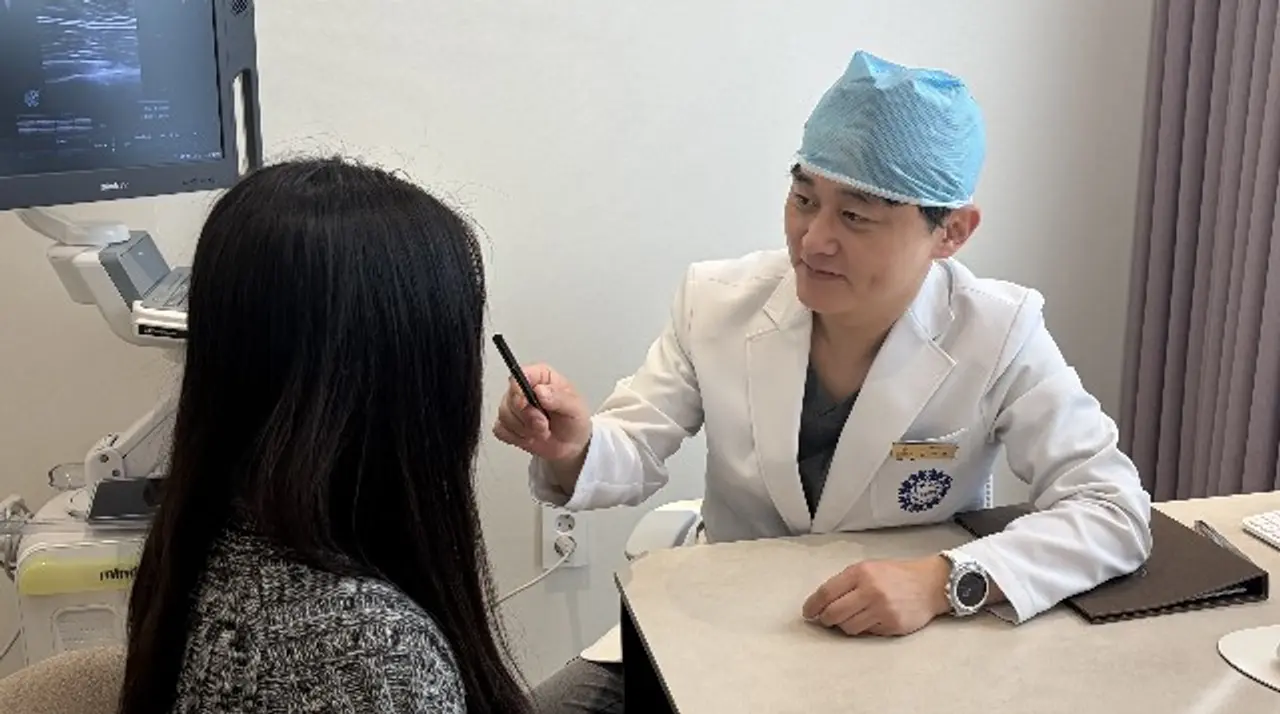
1. Initial Consultation
An in-depth consultation with Dr. In-Ho Khang covers your concerns, aesthetic goals, and medical history. This is not a brief intake — it is a detailed, unhurried conversation that shapes everything that follows.
2. Anatomical Assessment
Dr. Khang assesses eyelid anatomy directly: skin thickness and redundancy, fat distribution in upper and lower compartments, degree of ptosis if present, inner corner fold characteristics, and how the eye area relates to your broader facial proportions.
3. Surgical Planning & Design
Based on the assessment, a bespoke surgical plan is developed. Technique selection (incisional, non-incisional, or partial incision), crease height and shape, corner design, and any adjunct procedures are all finalized before surgery begins. Patients review and discuss the plan before proceeding.
4. Procedure
Surgery is performed with precision under appropriate anesthesia. For upper eyelid procedures, duration varies by scope. Under-eye fat removal takes approximately 30 to 40 minutes. No overnight hospitalization is required.
5. Immediate Aftercare
A structured post-operative protocol is provided to minimize swelling, protect scar healing, and support the most natural-looking result from the earliest stage of recovery. Patients are given clear, detailed guidance on what to expect day by day.
6. Follow-Up & Result Maturation
Initial swelling resolves progressively over the weeks following surgery. Final results — including scar maturation and full crease settling — develop over three to six months depending on the procedure and individual healing.
Results, Safety & Longevity
Eye surgery results at Yonsei Leeds Clinic are designed to be enduring. The incisional double eyelid method, ptosis correction, and lower blepharoplasty address structural anatomy directly, and results are long-lasting under normal aging processes. The non-incisional suture method creates a durable crease in appropriate candidates, though individual eyelid characteristics affect longevity over time.
Safety is integral to every stage of care. Dr. Khang's pre-surgical assessment is specifically designed to identify anatomy that requires particular care — eyelids with significant ptosis that must be corrected before crease creation, skin with excess redundancy unsuitable for a suture-only approach, or lower eyelid conditions where a conservative fat removal strategy protects the natural contour long-term.
As with all surgical procedures, temporary swelling, bruising, and sensitivity are expected during healing. These are normal parts of the recovery process and are managed through Yonsei Leeds's post-operative care protocol. Individual healing rates vary. Patients are encouraged to discuss all questions, concerns, and realistic expectations openly during consultation — including what outcomes are and are not achievable for their specific anatomy.
Why Choose Yonsei Leeds Clinic for Eye Surgery?
The eyes are the most expressive feature of the face — and also the most unforgiving when surgery is not planned with care. At Yonsei Leeds Clinic, eye surgery is never routine. Every patient who sits down with Dr. In-Ho Khang receives a genuinely individualized assessment — one that considers eyelid anatomy, skin character, muscle function, fat distribution, facial proportions, and personal goals before any surgical decision is made.
This matters because standard approaches produce standard results. A crease height that suits one patient's anatomy may look unnatural on another. A non-incisional technique ideal for thin eyelid skin will not serve a patient with significant skin redundancy. At Yonsei Leeds, technique selection follows the individual — not the other way around.
Rooted in Korea's internationally recognized tradition of excellence in eye surgery, Yonsei Leeds combines rigorous surgical technique with a patient-centered philosophy built on patience, precision, and honest communication. For international patients, the clinic offers a coordinated consultation and care pathway designed to support every stage from initial inquiry through post-operative follow-up.
Why patients choose Yonsei Leeds:
- Anatomy-first surgical planning — no standard templates, no routine crease heights
- Full range of eye procedures available as a coordinated treatment plan where appropriate
- Recovery protocol specifically designed to minimize swelling and protect healing
- Honest, unhurried consultations with transparent discussion of realistic outcomes
- Rooted in Korean surgical excellence with a deeply personalized, patient-centered approach
What to Expect: Typical Treatment Journey
Patient A | Double Eyelid Surgery (Incisional Method)
A patient in her late twenties with thick eyelid skin and significant fat had tried tape and adhesive products for years without satisfactory results. Following incisional double eyelid surgery at Yonsei Leeds, she describes her crease as looking exactly as she had hoped — defined, but not exaggerated. Three months post-surgery, she reports that colleagues have commented she looks "more refreshed" without identifying any surgical change.
Patient B | Ptosis Correction Combined with Double Eyelid Surgery
A patient in his early thirties presented with mild to moderate ptosis affecting one eye more than the other, creating visible asymmetry. Following coordinated ptosis correction and double eyelid surgery, he notes his eyes appear more alert, more evenly matched, and — in his words — "finally the same." He returned to desk-based work within five days.
Patient C | Lower Blepharoplasty (Under-Eye Fat Removal)
A patient in her early forties had experienced prominent under-eye puffiness since her mid-thirties, regardless of sleep or lifestyle factors. Following lower blepharoplasty at Yonsei Leeds, she describes the area as smoother and less shadowed. She was able to resume her daily routine the day after surgery and reports she no longer feels the need to rely on concealer for her under-eye area.
Illustrative examples. Individual results vary.
Ready to See What Your Eyes Could Look Like?
Begin Your Eye Surgery Journey at Yonsei Leeds Clinic
The best eye surgery result is one that looks like it was always meant to be there — natural, balanced, and authentically yours. At Yonsei Leeds Clinic, every procedure begins with an honest, detailed conversation about your goals and your anatomy. Dr. In-Ho Khang will take the time to understand exactly what you are hoping to achieve, explain what is realistically achievable for your individual eyelid anatomy, and build a surgical plan designed entirely around you — not a template.
Book Your Consultation with Dr. In-Ho Khang
Prefer to reach us directly? Contact Yonsei Leeds Clinic by message or phone to ask questions or request appointment availability. Our team is available to support international patients from first enquiry through post-operative follow-up.
All consultations are conducted with full transparency. No pressure. No standard packages. Just honest, personalized guidance.
Other Services
Explore additional treatments offered by our specialists.
Hair Removal & Tattoo Removal
Laser hair removal and laser tattoo removal are two of the most effective and widely requested aesthetic procedures in modern medical practice.
Learn More
Body Line Surgery
Body line surgery is a specialized branch of body contouring that goes beyond standard liposuction.
Learn More
Fat Dissolving Injections
Fat dissolving injections — also known as injection lipolysis or lipo dissolve — are a non-surgical treatment that targets and destroys localized fat cells beneath the skin.
Learn More